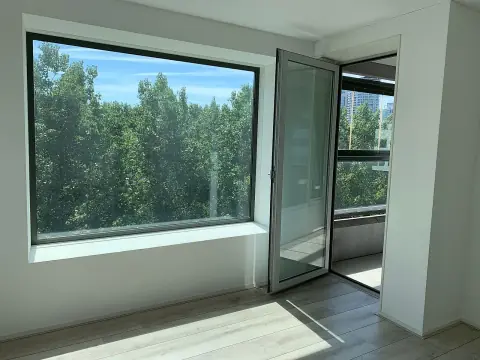
Air conditioning is a system for cooling a property's air, a rare and often self-installed luxury in the Netherlands.
Property Features
Water Connection

Wateraansluiting
The physical connection to the public water supply network that provides a property with clean drinking water.
Table of Contents
Table of Contents
Related terms
More terms from Property Features
Terms from the same part of the rental process, so you can read them together instead of looking each one up separately.
Amenities are the non-essential features and facilities that add to the comfort, convenience, or pleasure of a rental property.
An assigned parking space is a valuable and guaranteed spot, but enforcement against unauthorized use can be a significant practical problem.
A storage space located in the attic, often with limited headroom and accessible by a ladder, commonly used for long-term storage of seldom-used items.
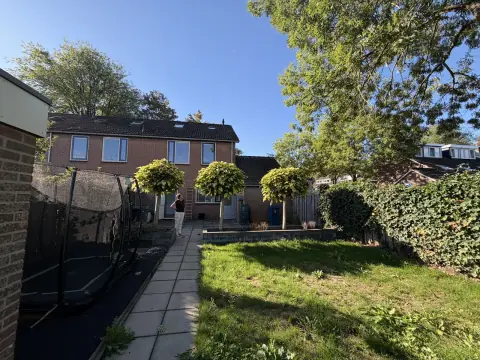
A backyard, or *achtertuin*, is a private outdoor space behind a house, highly valued but with specific maintenance obligations.
A balcony is a private outdoor platform on an upper floor, a highly-prized feature in densely populated Dutch cities.
Official Guidance, Document Wording, and Financial Consequences: Continue from Water Connection
Read Water Connection through exceptions, eligibility, and meaning, not as advice for an individual housing case.
More about Property Features
Every glossary entry that belongs to Property Features, collected on one page.
See TermsSearch the glossary
Look up a term, abbreviation or contract phrase and get a plain-language explanation with Dutch and English wording.
Search termsRenting guides
Longer guides that walk through applications, contracts, costs and moving, with the terminology used in context.
Read the guidesNewest Properties in the Netherlands
Explore the latest properties added to Luntero. Find new apartments, houses, and studios across the Netherlands — updated daily to help you discover your next home faster.
Why Luntero
One Workspace for Your Dutch Rental Search
Luntero brings represented apartments, rooms, studios and houses from Dutch rental sources into one searchable place. Use the available filters to narrow your options, then check the original listing for current availability, price, conditions and application steps.
Listings From Many Dutch Sources
Browse rental listings collected from Funda, Pararius, Kamernet and other supported sources in one place. Coverage is broad but not exhaustive, and the original listing remains authoritative.
Intuitive User-Friendly Interface
Navigate our clean and straightforward design effortlessly on both desktop and mobile devices for a seamless apartment, house, or room hunting experience in the Netherlands.
Multilingual Support for Expats & Locals
Browse rental listings in English, Dutch, Spanish, French, German, and more. Luntero ensures you can find your next home in the Netherlands in the language you're most comfortable with.
Regular Listing Refreshes
Luntero refreshes collected listings regularly and search alerts email new matches after a successful check. A source can change between refreshes, so verify decisive details there.