
air conditioning
Air conditioning is a system for cooling a property's air, a rare and often self-installed luxury in the Netherlands.

balkon
A balcony is a private outdoor platform on an upper floor, a highly-prized feature in densely populated Dutch cities.
A listing that advertises a 'balcony' (balkon) can evoke images of sipping coffee in the morning sun, but the reality in the Netherlands can be far more modest. It is crucial to understand the vast differences in what can be legally termed a balcony. At the bottom of the hierarchy is the French balcony (Frans balkon). This is often a source of great disappointment for unsuspecting renters. A French balcony is not a space you can step out onto; it is merely a set of doors that open inward, with a protective railing on the exterior. Its primary function is to allow more light and air into the room, not to host a bistro set. While better than nothing, it is a far cry from a true outdoor space.
A proper balcony is a platform you can actually occupy. However, their value is determined by a few key factors that you must investigate. Size is the most obvious one. Many Dutch balconies are narrow strips of concrete, barely large enough for one person to stand on sideways. Always check the dimensions. Orientation is even more critical in a country where sunlight is a precious commodity. A south-facing balcony (balkon op het zuiden) will get sun for most of the day and is a huge selling point. In contrast, a north-facing balcony will be in shadow for most of the day, making it a damp and chilly space that is far less usable. Finally, consider the view and noise levels. A balcony overlooking a tranquil inner courtyard (binnentuin) is an urban oasis. One that hangs directly over a busy tram line and a main road is less a place of relaxation and more a noisy, polluted observation deck.
Your balcony is not a lawless personal kingdom. It is part of the building's exterior and its use is almost always governed by the rules of the Owners' Association (Vereniging van Eigenaars, or VvE). These regulations (huishoudelijk reglement) are legally binding and are typically included as an appendix to your rental contract. Ignoring them can lead to formal warnings from the VvE or landlord, and potentially even fines. The most common and contentious restriction concerns barbecues. Due to fire risk and smoke nuisance to neighbors, BBQs (especially charcoal ones) are almost universally forbidden on apartment balconies.
Other common rules dictate aesthetics and noise. You may be prohibited from hanging laundry in a way that is visible from the street. There are often restrictions on drilling into the building's facade to install planters, lights, or satellite dishes. This is to protect the structural integrity and uniform appearance of the building. The use of the balcony for parties or loud conversations late at night will also be restricted by general nuisance rules. Before you start planning your balcony garden or buying a new grill, you must read the VvE regulations thoroughly. Your freedom to use your private outdoor space is likely far more limited than you assume.
While you are responsible for keeping your balcony clean, the structural integrity and major maintenance fall under the responsibility of the landlord and the VvE. This is a serious consideration, particularly in older buildings. Over the years, there have been incidents in the Netherlands of balconies collapsing due to poor construction or neglected maintenance. When you view an apartment, take a moment to inspect the condition of the balcony. Look for significant cracks in the concrete, crumbling sections, or railings that feel loose and unstable.
If you have any concerns about the safety of the balcony, you should raise them with the landlord in writing before signing the lease. Once you are a tenant, you have an obligation to report any new defects or safety concerns immediately. The landlord has a legal duty to ensure the property, including the balcony, is safe and well-maintained. A balcony adds significant value and enjoyment to a rental property, but this value is entirely negated if the space is unsafe or if its use is so heavily restricted that it becomes little more than an architectural feature you pay extra for.
Table of Contents
Terms from the same part of the rental process, so you can read them together instead of looking each one up separately.
Air conditioning is a system for cooling a property's air, a rare and often self-installed luxury in the Netherlands.
Amenities are the non-essential features and facilities that add to the comfort, convenience, or pleasure of a rental property.
An assigned parking space is a valuable and guaranteed spot, but enforcement against unauthorized use can be a significant practical problem.
A storage space located in the attic, often with limited headroom and accessible by a ladder, commonly used for long-term storage of seldom-used items.
A backyard, or *achtertuin*, is a private outdoor space behind a house, highly valued but with specific maintenance obligations.
Baseboard heating uses heating elements located along the floorboards, a system rarely used for primary heating in the Netherlands.
Move from the literal wording of Balcony to exceptions, authority, and costs for practical meaning. Use current official guidance or qualified advice where the term affects an individual decision.
Every glossary entry that belongs to Property Features, collected on one page.
See TermsLook up a term, abbreviation or contract phrase and get a plain-language explanation with Dutch and English wording.
Search termsLonger guides that walk through applications, contracts, costs and moving, with the terminology used in context.
Read the guidesExplore the latest properties added to Luntero. Find new apartments, houses, and studios across the Netherlands — updated daily to help you discover your next home faster.
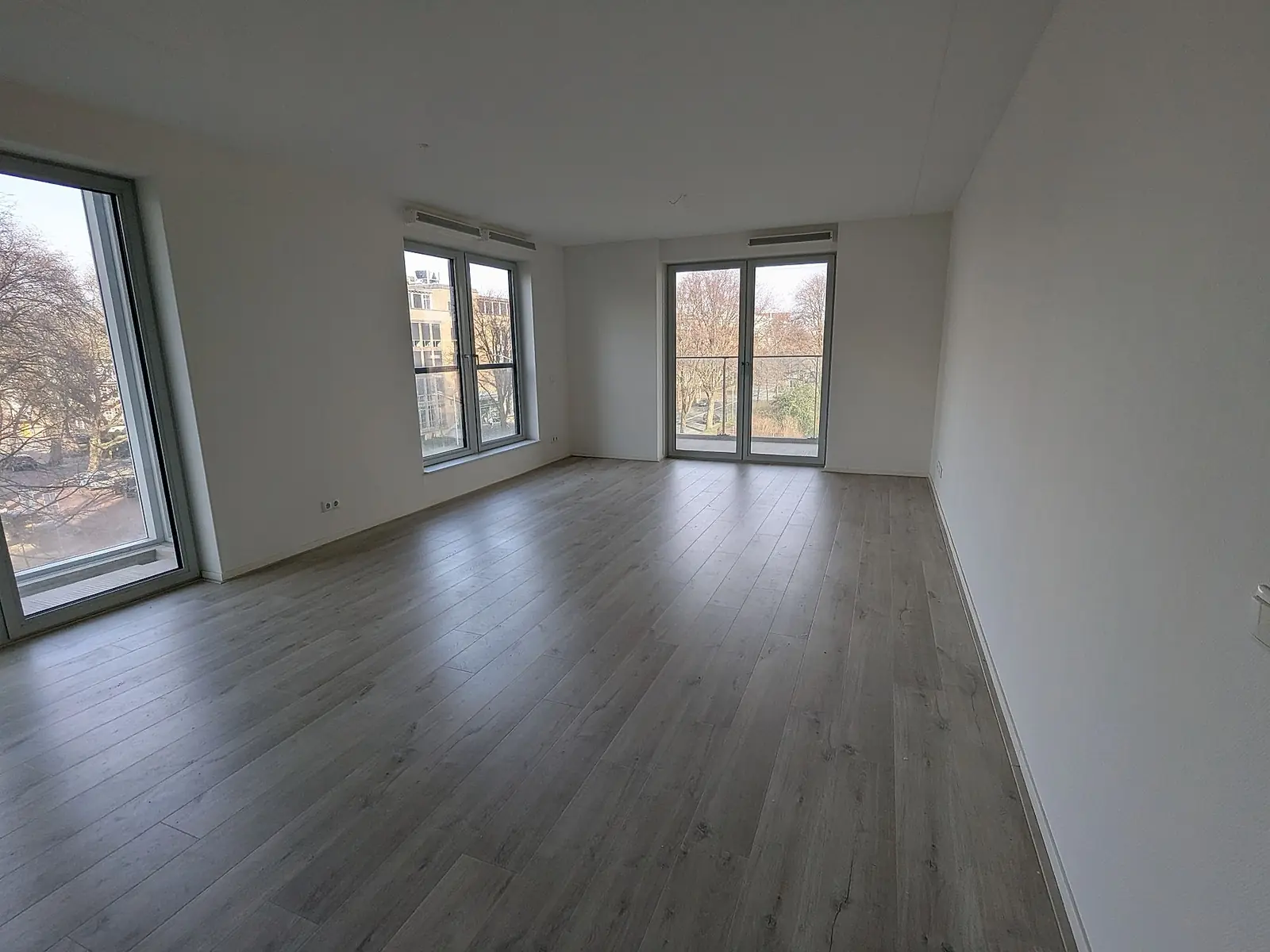
€1,890.00 / month
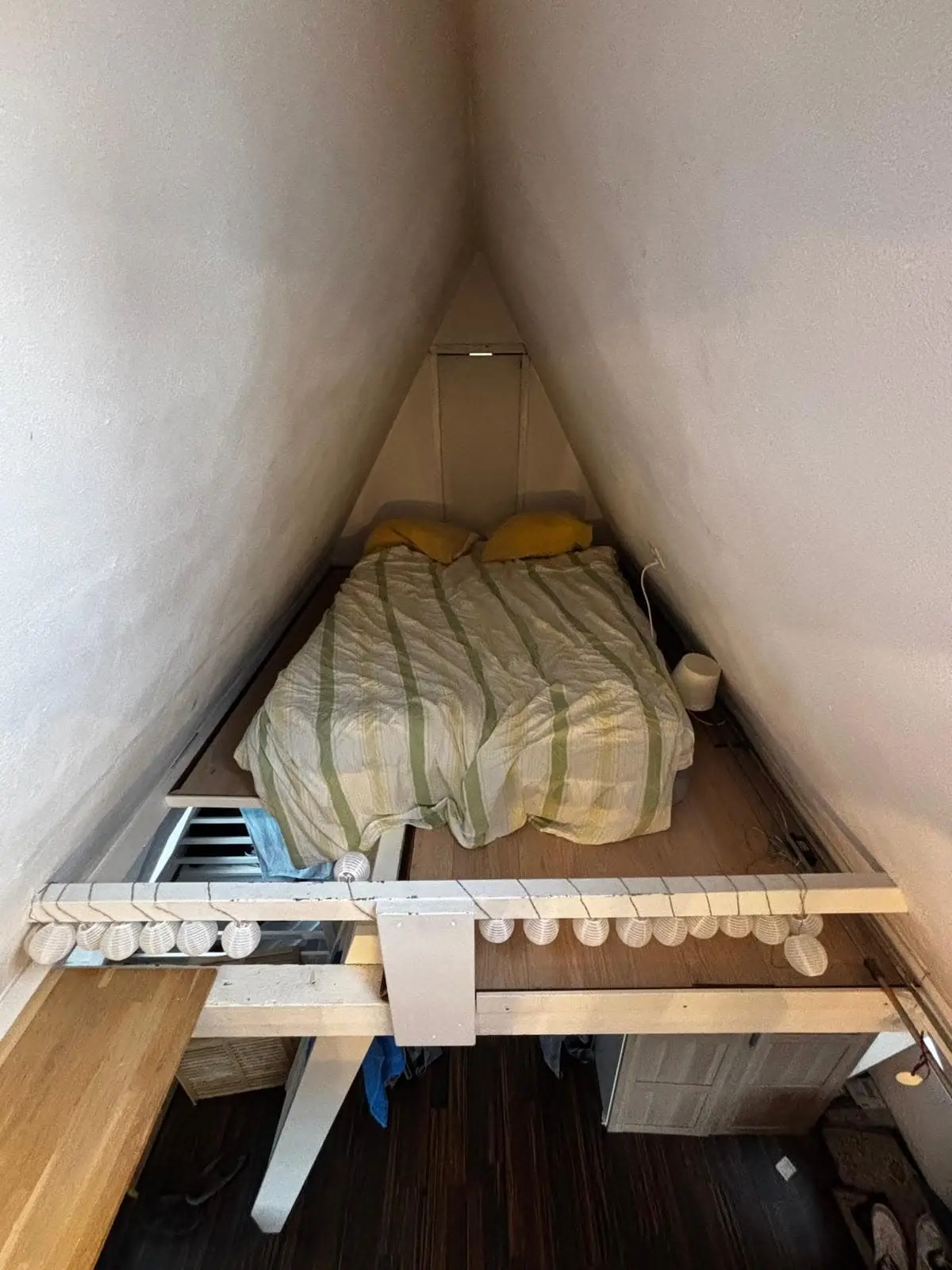
€970.00 / month
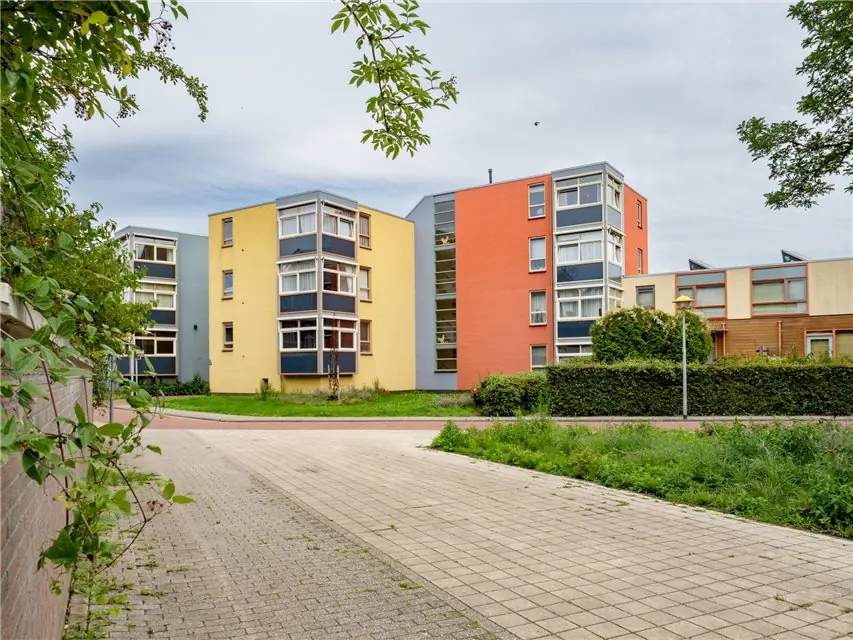
€714.00 / month
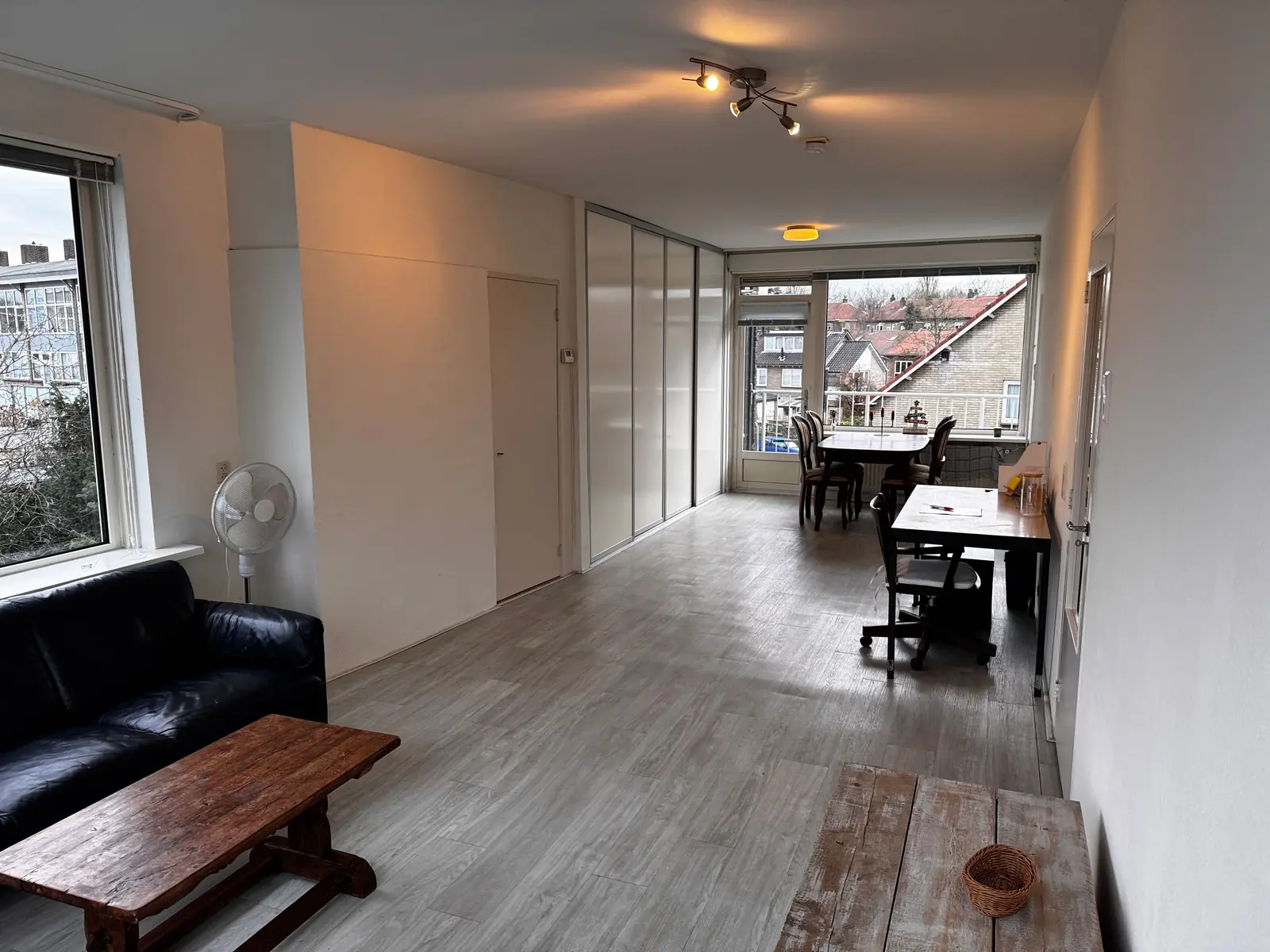
€1,167.00 / month
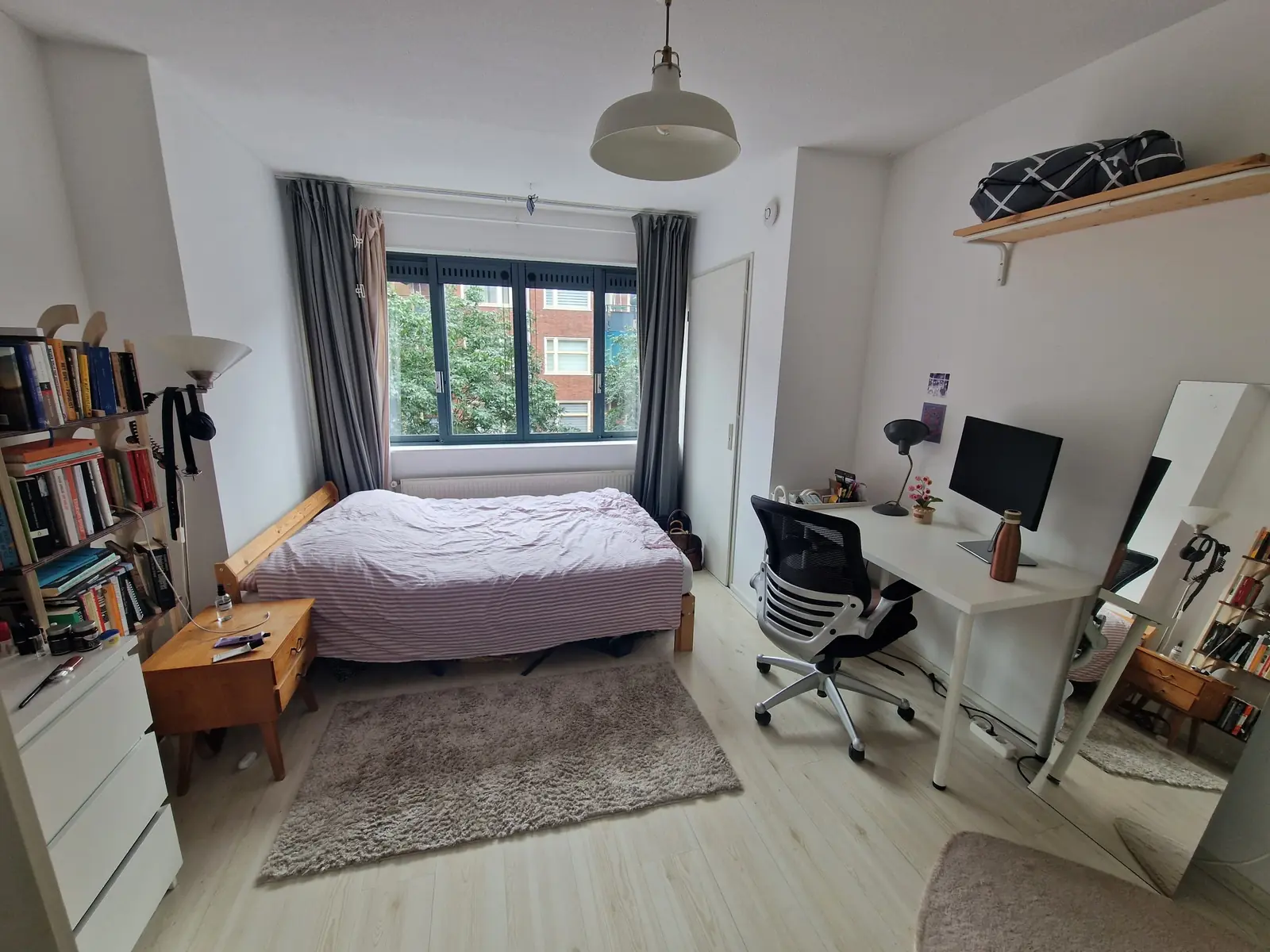
€955.00 / month
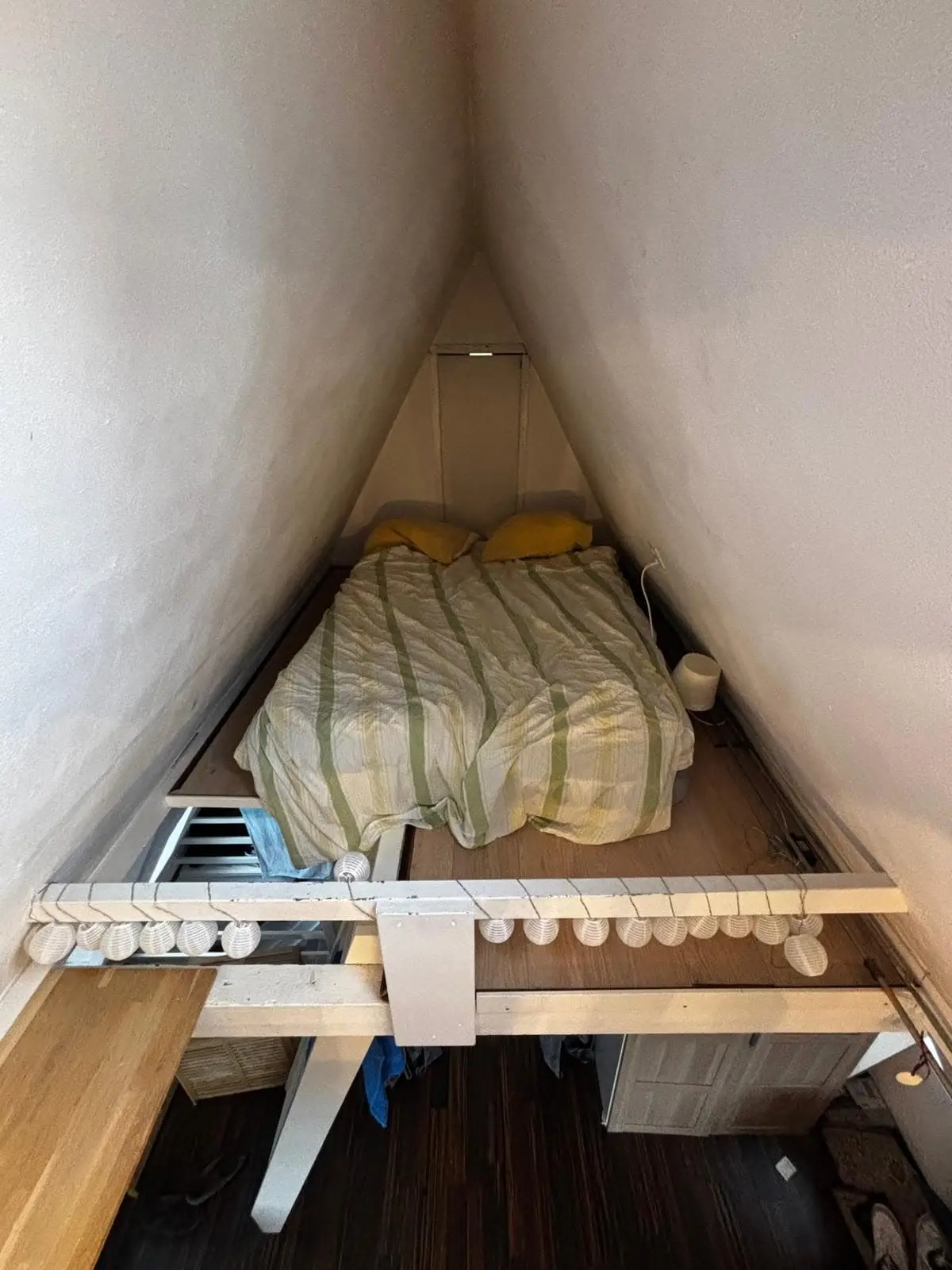
€970.00 / month
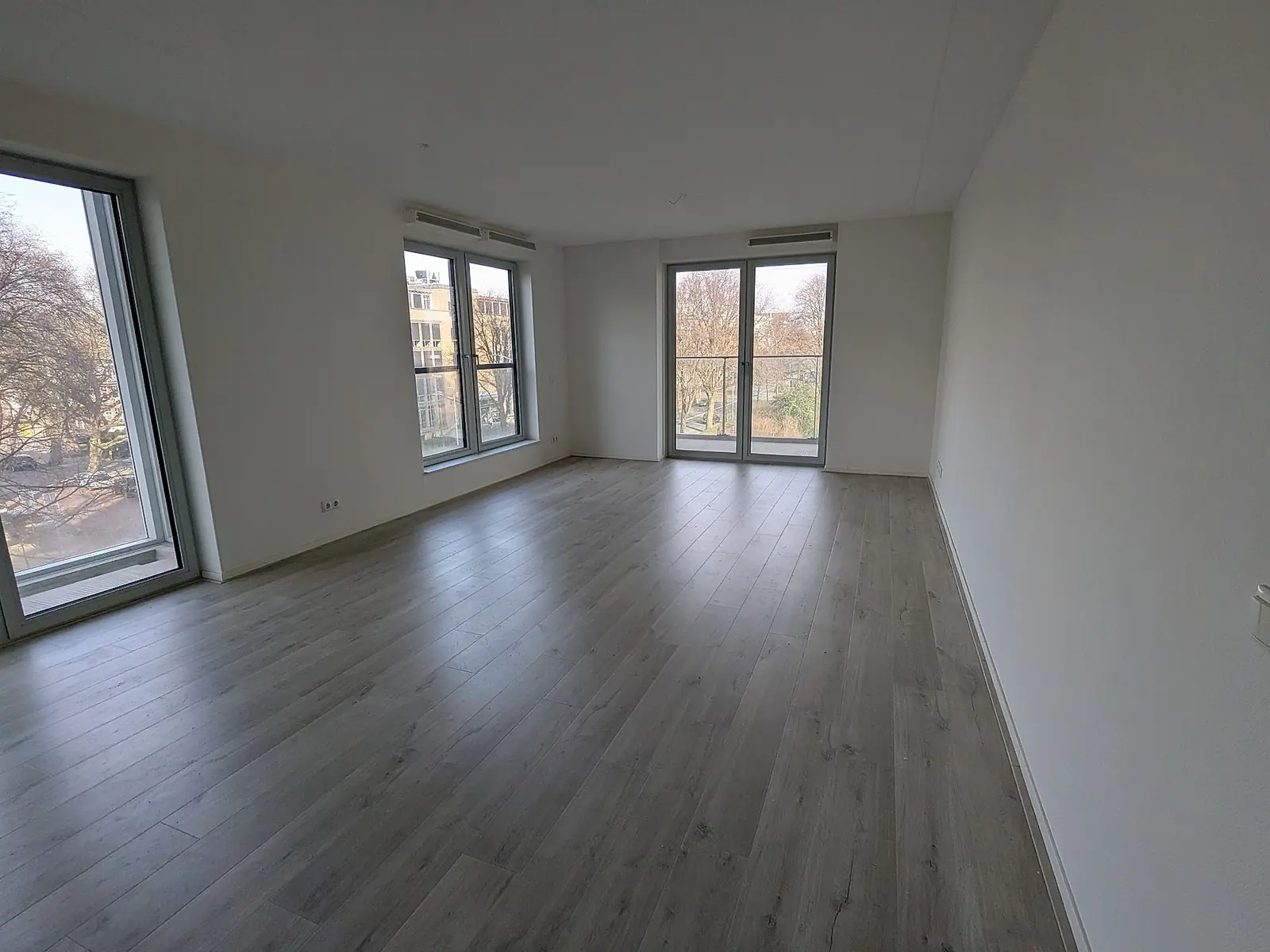
€1,890.00 / month
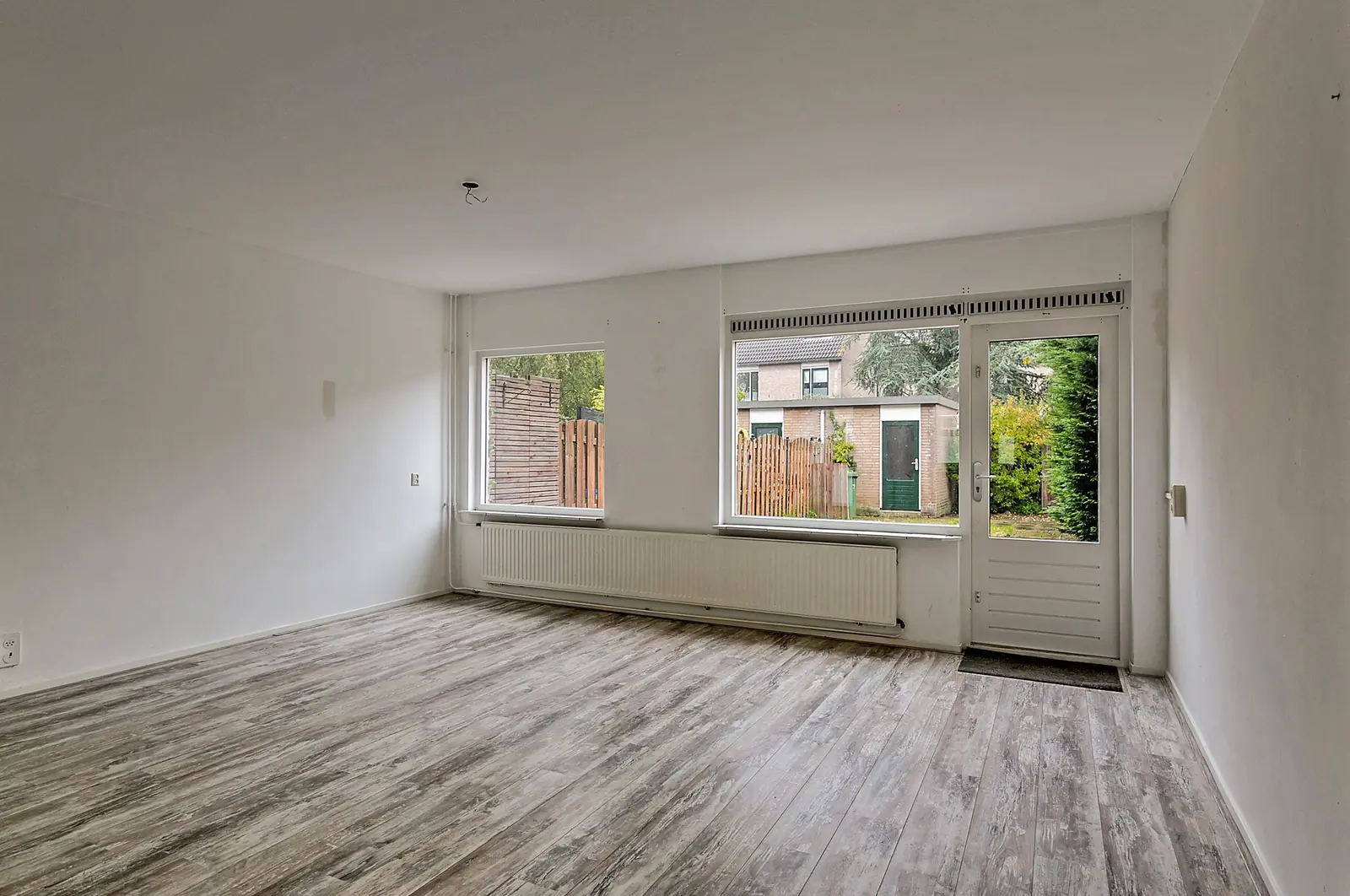
€1,605.00 / month
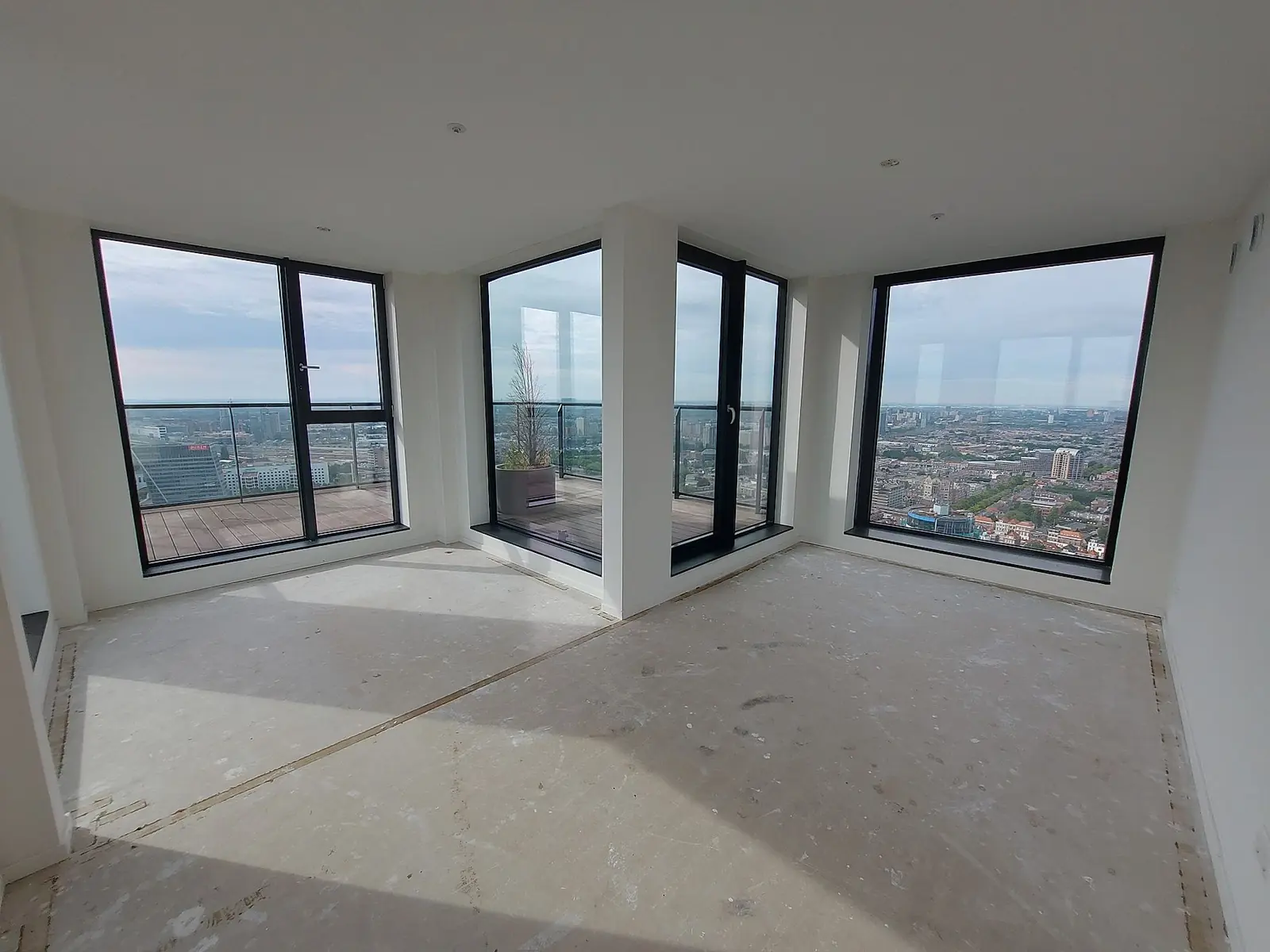
€1,983.00 / month
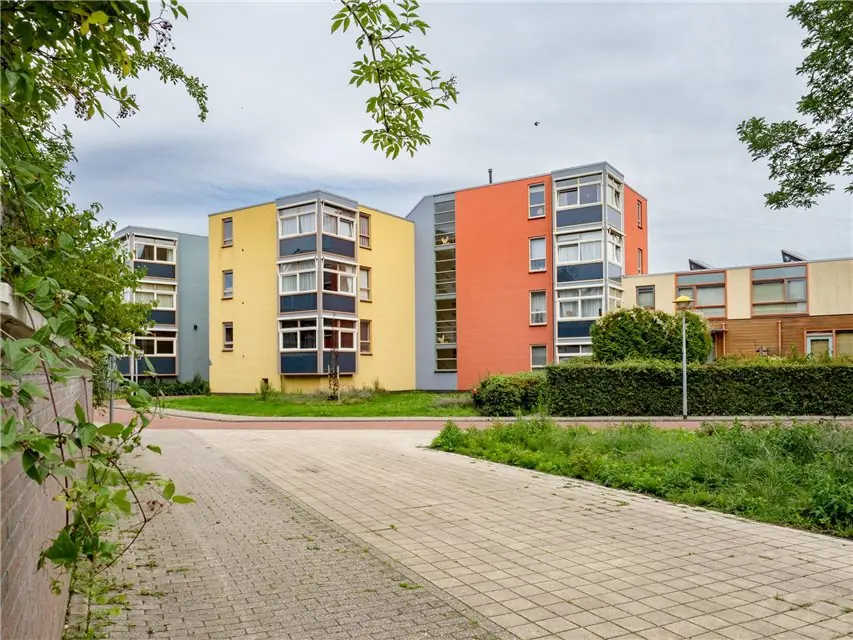
€714.00 / month
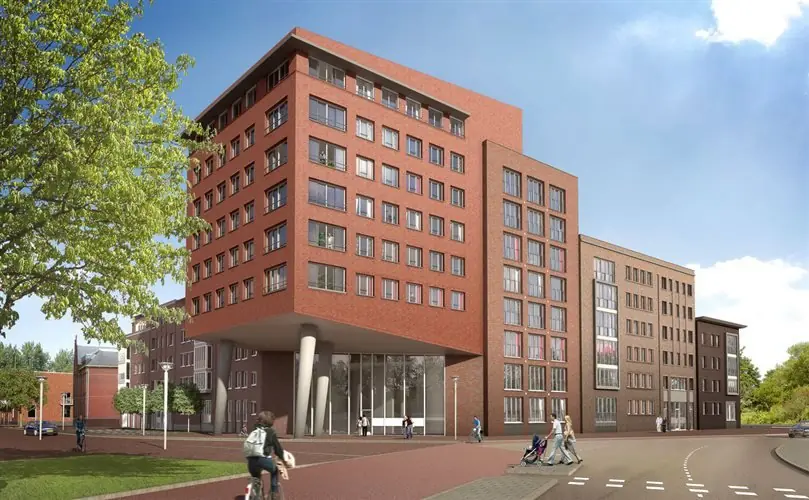
€1,750.00 / month
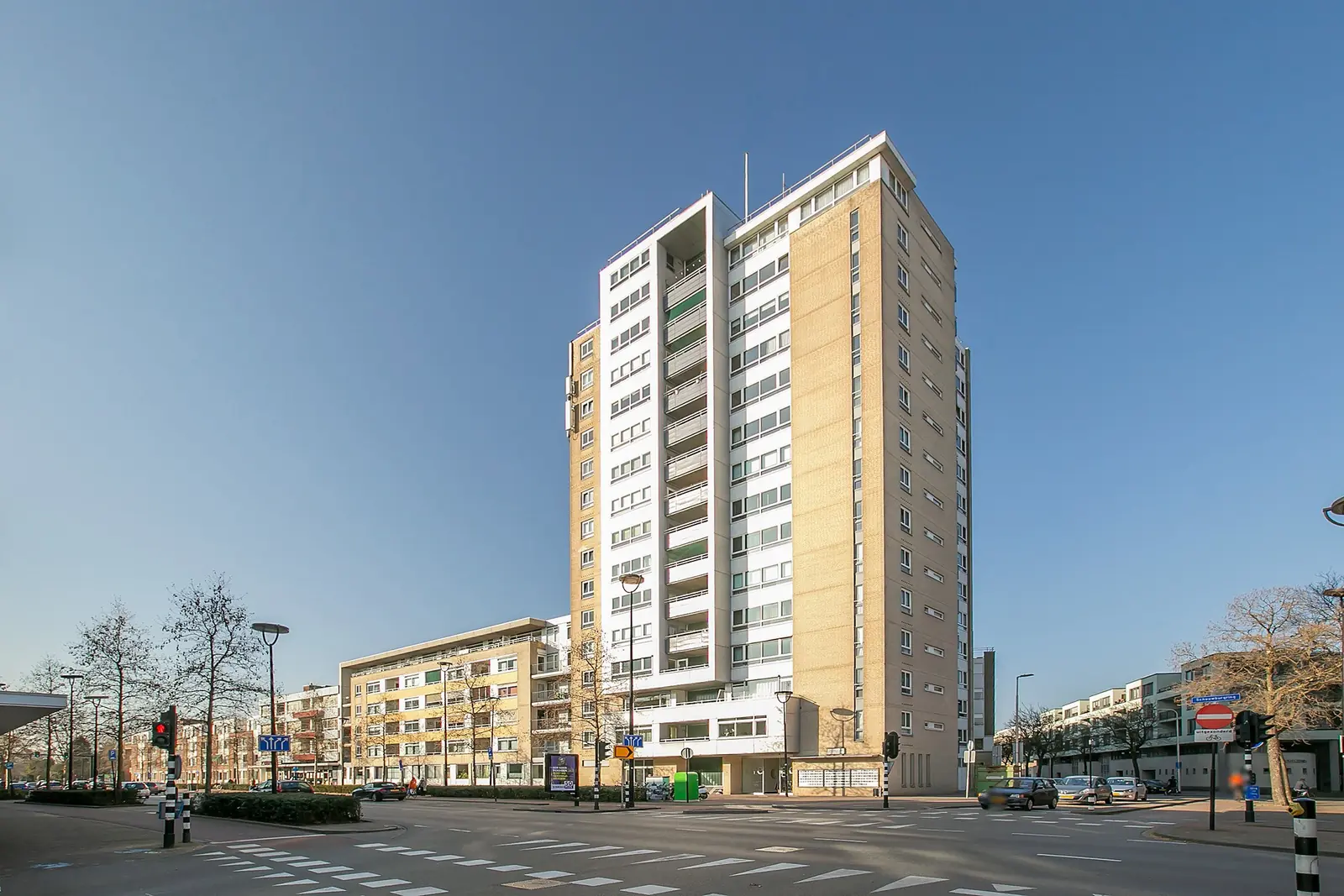
€1,240.00 / month
Luntero combines apartments, rooms, studios and houses from rental websites with homes published directly on Luntero. Filter by your needs, compare your options and confirm availability, price and conditions with the advertiser.
Browse listings from Funda, Pararius, Kamernet and other supported websites alongside rentals published directly on Luntero. Coverage is broad, but does not include every home on the market.
Navigate our clean and straightforward design effortlessly on both desktop and mobile devices for a seamless apartment, house, or room hunting experience in the Netherlands.
Browse rental listings in English, Dutch, Spanish, French, German, and more. Luntero ensures you can find your next home in the Netherlands in the language you're most comfortable with.
Luntero refreshes collected listings regularly and search alerts email new matches after a successful check. A source can change between refreshes, so verify decisive details there.