
Search the glossary
Look up a term, abbreviation or contract phrase and get a plain-language explanation with Dutch and English wording.
Search termsTenant Rights Terms bring connected Dutch housing concepts into one focused vocabulary. The practical relevance of Tenant Rights terms becomes clearer when official guidance, documents, and legal limits are separated. Use the collection to interpret listings, documents, costs, processes, or renter guidance without treating a short definition as personal advice.
Search a Dutch rental term, abbreviation or contract phrase
Rental questions rarely stay inside one topic. Move sideways into contracts, costs, tenant rights, subsidies or property features to see how the terms connect.
Approach Tenant Rights terms through applications, with related terms and current rules marking what still needs verification.
Look up a term, abbreviation or contract phrase and get a plain-language explanation with Dutch and English wording.
Search termsContracts, costs, tenant rights, subsidies, property features and the rest of the Dutch rental vocabulary, grouped by topic.
See all categoriesLonger guides that walk through applications, contracts, costs and moving, with the terminology used in context.
Read the guidesExplore the latest properties added to Luntero. Find new apartments, houses, and studios across the Netherlands — updated daily to help you discover your next home faster.
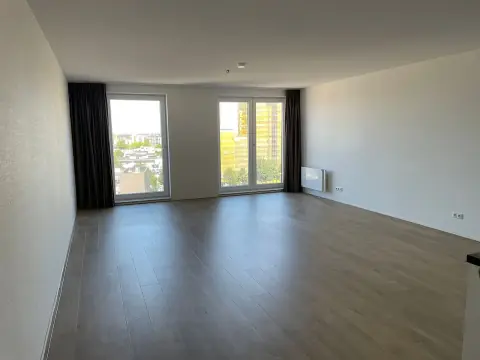
€1,159.00 / month

€600.00 / month
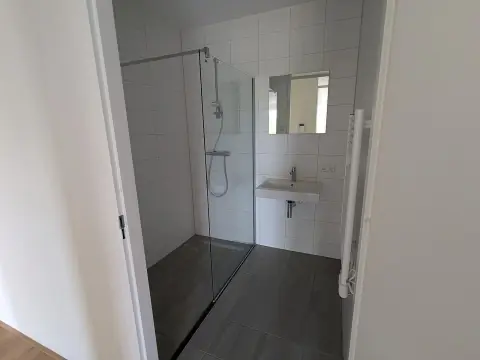
€932.00 / month
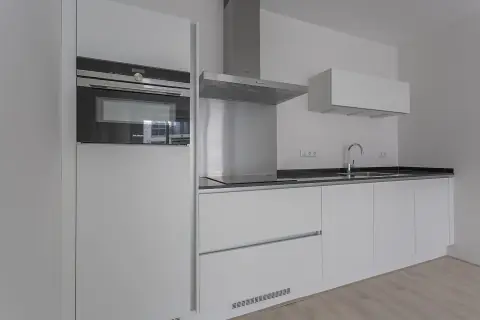
€1,187.00 / month
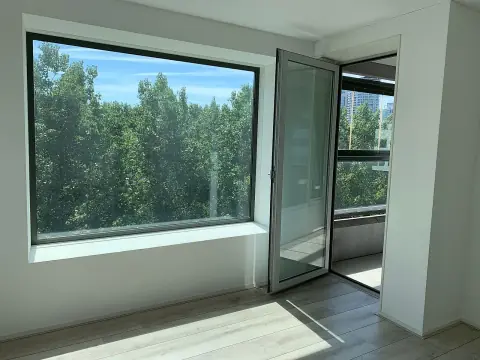
€1,845.00 / month
€933.00 / month
€1,899.00 / month
€765.00 / month
€714.00 / month

€1,596.00 / month
€714.00 / month
€1,210.00 / month
Showing 1–24 of 56 rental terms
The joint inspection of the property by the landlord and tenant at the start of the lease, where the initial condition is documented in a crucial legal report.
A tenant's fundamental right to be left in peace in their home, protected by law from unannounced visits and invasions of privacy by the landlord.
The landlord's right to periodically inspect the property, which is strictly limited by the tenant's fundamental right to privacy and quiet enjoyment.
Adaptations made to a home to make it suitable for residents with physical disabilities or other special requirements, often coordinated via the municipality.
A formal request made by a tenant for necessary adjustments to a property to make it accessible and livable for a person with a disability.
The Woonbond is the national Dutch tenants' union, a powerful advocacy group and a key source of legal advice and support for its members.
A non-profit or municipal organization that provides free legal advice and assistance to tenants, particularly in disputes over rent levels and service charges.
A legally mandated, fixed compensation that a landlord must pay to a tenant when terminating a lease for urgent renovation or demolition.
An essential but often overlooked insurance policy that protects the tenant's personal belongings, as the landlord's insurance covers only the building itself.
A tenant relocation grant ('verhuiskostenvergoeding') is a mandatory, fixed-sum payment from a landlord to a tenant who is forced to move for a major renovation or demolition.
'Lease renewal' is a misleading concept in Dutch law, as standard indefinite contracts continue automatically without any need for renewal.
Recent Dutch law mandates a strict timeline for the return of the security deposit, requiring a refund within 14 days if there are no damages.
The return of the security deposit ('borg') is a legally regulated process where landlords can only deduct for proven damages or rent arrears.
The move-out inspection ('eindinspectie') is a formal review of the property's condition against the initial check-in report to fairly assess any damages.
A 'rent reimbursement' is not a subsidy but a refund a tenant may receive after a rent reduction ruling or an overpayment of service costs.
The 'maximum rent' ('maximale huurprijs') is the legal limit a landlord can charge for a regulated property, calculated via a detailed points system.
The 'rent ceiling' is determined by the liberalization threshold at the start of a lease, which dictates whether a property has permanent rent control.
A 'rent cap' in the Netherlands refers to the maximum legal rent for regulated properties, determined by a detailed points system, and the annual cap on rent increases for all properties.
There are no government subsidies for storm damage; costs are covered by the landlord's and tenant's insurance policies.
Tenant associations in the Netherlands can often receive small grants from housing corporations or municipalities to fund their activities.
While no general 'legal fee subsidy' exists, tenants with low incomes can access subsidized legal aid for disputes with their landlords.
A tenant has a legal right to a rent receipt upon payment, though in practice, a bank statement serves as the standard proof of payment.
Housing adaptations are changes made to a rental property to make it suitable for a tenant with a physical disability or limitation.
Respect for tenant privacy is a fundamental legal obligation requiring landlords to not enter or interfere with the rental property without explicit permission.