
Anti-Discrimination Laws
Dutch law provides robust, though sometimes difficult to enforce, protection against housing discrimination on various grounds including race, gender, religion, and income source.

Verhuiskostenvergoeding
A legally mandated, fixed compensation that a landlord must pay to a tenant when terminating a lease for urgent renovation or demolition.
The verhuiskostenvergoeding, or relocation cost allowance, is a specific and significant financial protection for tenants in the Netherlands. It is not a general compensation for moving; rather, it's a legally required payment from a landlord under a very specific set of circumstances: when the landlord must terminate an indefinite-term rental contract because the property is slated for demolition or requires such extensive, urgent renovations that the tenant cannot continue to live there during the work. This allowance is not a kind gesture or a point of negotiation from the landlord; it is a mandatory, non-negotiable legal obligation intended to partially compensate the tenant for the substantial financial and logistical turmoil of being forced to find and move into a new home. Many tenants are unaware this right exists, and landlords may not always be forthcoming about their obligation to pay it.
The conditions for receiving the relocation allowance are precise and narrowly defined, and tenants should understand that it does not apply to most lease terminations. The allowance is only applicable if all of the following conditions are met:
contract voor onbepaalde tijd). It does not apply to the natural expiration of a temporary or fixed-term contract.sloop) or urgent, large-scale renovation (dringende werkzaamheden). The renovation must be so comprehensive that it's impossible for the tenant to remain in the home. This is far more than routine maintenance, re-painting, or a simple kitchen upgrade. The landlord must demonstrate that the renovation cannot be carried out while the tenant is still living in the property.If these conditions are met, the tenant is entitled to the allowance. This applies whether the tenant formally agrees to the lease termination or if the landlord has to get a court order to proceed.
The Dutch government sets a minimum amount for the relocation cost allowance, which is indexed and adjusted annually. As of 2024, this minimum was over €7,000. This is a fixed, lump sum intended to cover a wide range of moving-related costs, such as hiring a moving company, purchasing new flooring or curtains for the new home, and connection fees for utilities. It's important to note that this is a minimum entitlement. In large-scale social housing renovation projects, tenant associations and social plans (sociaal statuut) often negotiate for higher allowances or additional support, such as the right to return to the renovated property. The process typically begins with the landlord presenting a formal, well-substantiated proposal to the tenant. This proposal must detail the planned works and include the offer of the allowance. If the tenant does not agree to the termination, the landlord must petition the court, which will then rule on whether the renovation is truly 'urgent' and necessary, and if so, will grant the termination and order the landlord to pay the fee. Any tenant facing such a proposal should immediately seek legal advice from organizations like the Woonbond or a juridisch loket (legal aid service) to ensure their rights are fully protected.
Table of Contents
Terms from the same part of the rental process, so you can read them together instead of looking each one up separately.
Dutch law provides robust, though sometimes difficult to enforce, protection against housing discrimination on various grounds including race, gender, religion, and income source.
Dutch law strictly prohibits discrimination in the housing market based on a wide range of protected grounds.
CCTV cameras in or around a rental property are strictly regulated by privacy laws to protect tenants from surveillance.
The official and unofficial processes for resolving conflicts over the return of a rental deposit in the Netherlands.
Recent Dutch law mandates a strict timeline for the return of the security deposit, requiring a refund within 14 days if there are no damages.
A formal request made by a tenant for necessary adjustments to a property to make it accessible and livable for a person with a disability.
Approach Relocation Cost Allowance through exceptions, with contracts and costs marking what still needs verification.
Every glossary entry that belongs to Tenant Rights, collected on one page.
See TermsLook up a term, abbreviation or contract phrase and get a plain-language explanation with Dutch and English wording.
Search termsLonger guides that walk through applications, contracts, costs and moving, with the terminology used in context.
Read the guidesExplore the latest properties added to Luntero. Find new apartments, houses, and studios across the Netherlands — updated daily to help you discover your next home faster.
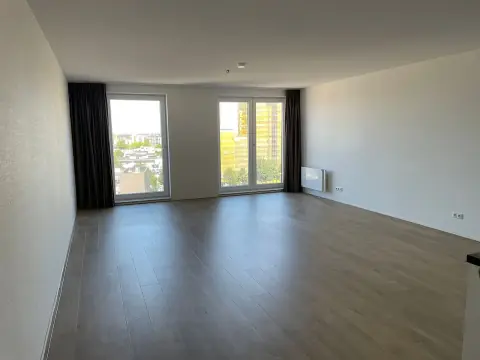
€1,159.00 / month

€600.00 / month
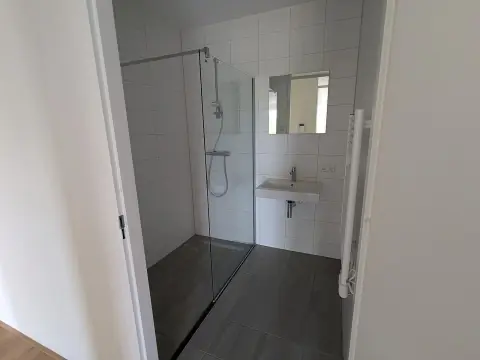
€932.00 / month
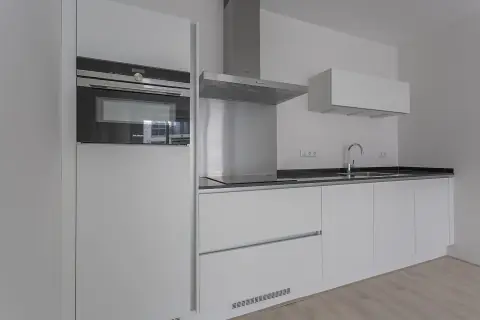
€1,187.00 / month
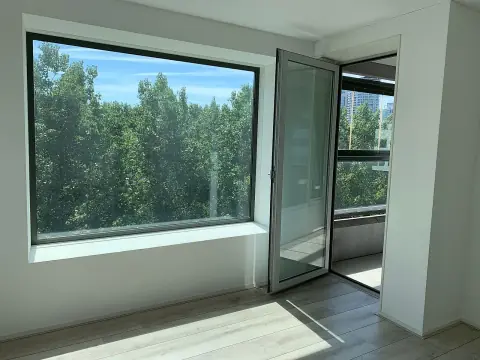
€1,845.00 / month
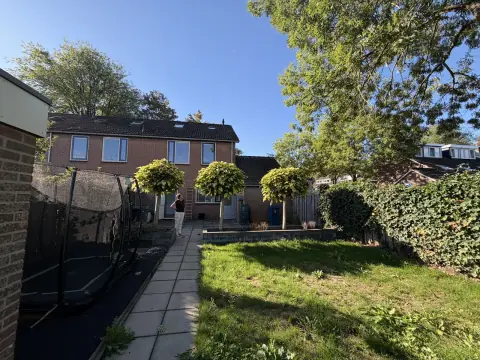
€933.00 / month

€1,899.00 / month
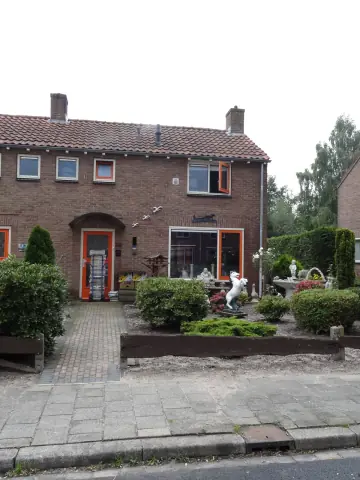
€765.00 / month
€714.00 / month

€1,596.00 / month
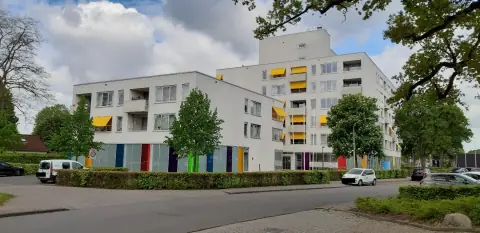
€714.00 / month

€1,210.00 / month
Luntero brings represented apartments, rooms, studios and houses from Dutch rental sources into one searchable place. Use the available filters to narrow your options, then check the original listing for current availability, price, conditions and application steps.
Browse rental listings collected from Funda, Pararius, Kamernet and other supported sources in one place. Coverage is broad but not exhaustive, and the original listing remains authoritative.
Navigate our clean and straightforward design effortlessly on both desktop and mobile devices for a seamless apartment, house, or room hunting experience in the Netherlands.
Browse rental listings in English, Dutch, Spanish, French, German, and more. Luntero ensures you can find your next home in the Netherlands in the language you're most comfortable with.
Luntero refreshes collected listings regularly and search alerts email new matches after a successful check. A source can change between refreshes, so verify decisive details there.