
air conditioning
Air conditioning is a system for cooling a property's air, a rare and often self-installed luxury in the Netherlands.

Radiatorverwarming
Radiator heating is the standard method for heating homes in the Netherlands, using hot water from a central boiler to warm rooms.
Radiator heating (radiatorverwarming or centrale verwarming - CV) is not just a feature in the Netherlands; it is the default, ubiquitous, and universally understood method of heating a home. Over 90% of Dutch residences are warmed by this type of hydronic system. The heart of the system is the central heating boiler, the CV-ketel, which heats water, typically using natural gas. This hot water is then pumped through a network of pipes to radiators (radiatoren) located in each room. The radiators, in turn, heat the surrounding air through convection and radiation, creating a comfortable and silent warmth. When a rental listing mentions heating, you can safely assume it refers to this system unless it explicitly states otherwise. The reliability and efficiency of this system, especially with modern high-efficiency boilers (HR-ketels), have made it the undisputed standard for decades.
Understanding the components is key to using the system efficiently. The CV-ketel is the boiler, usually a compact, wall-mounted unit. The thermostaat (thermostat) is the main control, typically located in the living room. It measures the temperature in that one room and tells the boiler when to turn on and off to maintain the set temperature for the entire home. This is a critical point of confusion: the central thermostat only reads the living room temperature. To control the heat in other rooms, you must use the valves (radiatorknoppen) on the individual radiators. Opening a valve allows more hot water to flow through, making the room warmer, while closing it restricts flow, making it cooler. Many modern systems have thermostatic radiator valves (thermostaatknoppen) that allow you to set a specific temperature for that room. A savvy tenant learns to balance the central thermostat with the individual radiator valves to optimize comfort and minimize energy consumption.
While the system is standard, its quality and implementation can vary significantly. In older apartments, you may find bulky, old-fashioned cast-iron radiators that are slow to heat up and cool down. Most properties now have more responsive panel radiators. The placement of radiators is often a source of frustration, as they are frequently located under windows, dictating furniture arrangement and sometimes leading to wasted heat. The single-thermostat control system is another major drawback. Because it only measures the living room temperature, other rooms can easily become overheated or remain too cold. For example, if the sun is warming the living room, the thermostat will shut off the boiler, and the radiators in a cold, north-facing bedroom will also go cold. This inefficiency is a common complaint, and achieving a perfectly balanced temperature throughout the entire home is a constant challenge for tenants.
Table of Contents
Terms from the same part of the rental process, so you can read them together instead of looking each one up separately.
Air conditioning is a system for cooling a property's air, a rare and often self-installed luxury in the Netherlands.
Amenities are the non-essential features and facilities that add to the comfort, convenience, or pleasure of a rental property.
An assigned parking space is a valuable and guaranteed spot, but enforcement against unauthorized use can be a significant practical problem.
A storage space located in the attic, often with limited headroom and accessible by a ladder, commonly used for long-term storage of seldom-used items.
A backyard, or *achtertuin*, is a private outdoor space behind a house, highly valued but with specific maintenance obligations.
A balcony is a private outdoor platform on an upper floor, a highly-prized feature in densely populated Dutch cities.
Use exceptions, contracts, and Dutch context to place Radiator Heating within the Dutch housing system. Continue into the full entry and related definitions before relying on the term in practice.
Every glossary entry that belongs to Property Features, collected on one page.
See TermsLook up a term, abbreviation or contract phrase and get a plain-language explanation with Dutch and English wording.
Search termsLonger guides that walk through applications, contracts, costs and moving, with the terminology used in context.
Read the guidesExplore the latest properties added to Luntero. Find new apartments, houses, and studios across the Netherlands — updated daily to help you discover your next home faster.
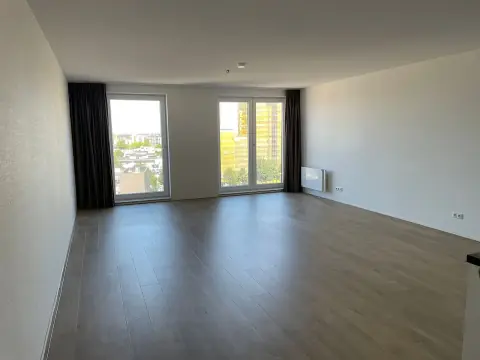
€1,159.00 / month
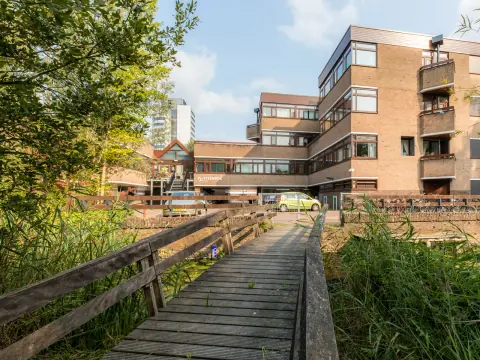
€600.00 / month
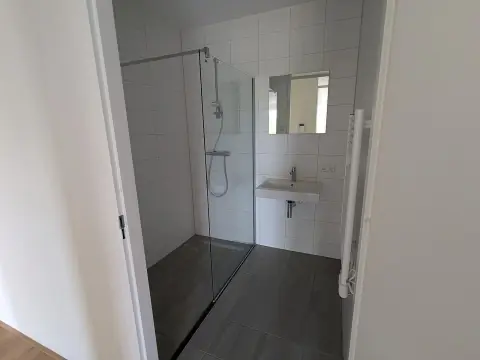
€932.00 / month
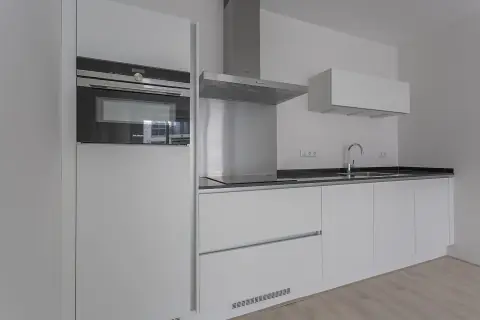
€1,187.00 / month
€1,845.00 / month
€933.00 / month
€1,899.00 / month
€765.00 / month
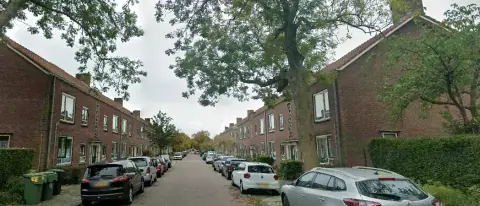
€714.00 / month
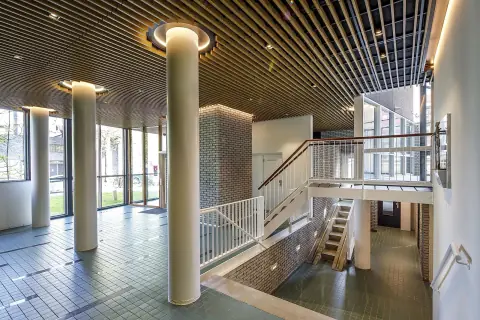
€1,596.00 / month
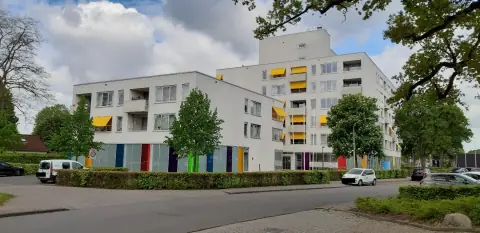
€714.00 / month
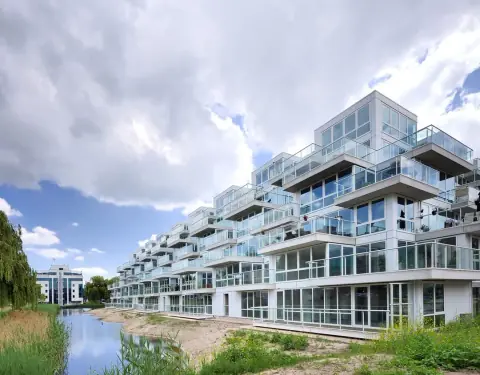
€1,210.00 / month
Luntero brings represented apartments, rooms, studios and houses from Dutch rental sources into one searchable place. Use the available filters to narrow your options, then check the original listing for current availability, price, conditions and application steps.
Browse rental listings collected from Funda, Pararius, Kamernet and other supported sources in one place. Coverage is broad but not exhaustive, and the original listing remains authoritative.
Navigate our clean and straightforward design effortlessly on both desktop and mobile devices for a seamless apartment, house, or room hunting experience in the Netherlands.
Browse rental listings in English, Dutch, Spanish, French, German, and more. Luntero ensures you can find your next home in the Netherlands in the language you're most comfortable with.
Luntero refreshes collected listings regularly and search alerts email new matches after a successful check. A source can change between refreshes, so verify decisive details there.