Air conditioning is a system for cooling a property's air, a rare and often self-installed luxury in the Netherlands.
Modulair Wonen
Modular housing consists of prefabricated units built in a factory and assembled on-site, often used in the Netherlands as a fast but temporary solution to urgent housing shortages.
Terms from the same part of the rental process, so you can read them together instead of looking each one up separately.
Air conditioning is a system for cooling a property's air, a rare and often self-installed luxury in the Netherlands.
Amenities are the non-essential features and facilities that add to the comfort, convenience, or pleasure of a rental property.
An assigned parking space is a valuable and guaranteed spot, but enforcement against unauthorized use can be a significant practical problem.
A storage space located in the attic, often with limited headroom and accessible by a ladder, commonly used for long-term storage of seldom-used items.
A backyard, or *achtertuin*, is a private outdoor space behind a house, highly valued but with specific maintenance obligations.
A balcony is a private outdoor platform on an upper floor, a highly-prized feature in densely populated Dutch cities.
Move from the literal wording of Modular Housing (Temporary Units) to exceptions, Dutch context, and eligibility for practical meaning.
Every glossary entry that belongs to Property Features, collected on one page.
See TermsLook up a term, abbreviation or contract phrase and get a plain-language explanation with Dutch and English wording.
Search termsLonger guides that walk through applications, contracts, costs and moving, with the terminology used in context.
Read the guidesExplore the latest properties added to Luntero. Find new apartments, houses, and studios across the Netherlands — updated daily to help you discover your next home faster.
Luntero brings represented apartments, rooms, studios and houses from Dutch rental sources into one searchable place. Use the available filters to narrow your options, then check the original listing for current availability, price, conditions and application steps.
Browse rental listings collected from Funda, Pararius, Kamernet and other supported sources in one place. Coverage is broad but not exhaustive, and the original listing remains authoritative.
Navigate our clean and straightforward design effortlessly on both desktop and mobile devices for a seamless apartment, house, or room hunting experience in the Netherlands.
Browse rental listings in English, Dutch, Spanish, French, German, and more. Luntero ensures you can find your next home in the Netherlands in the language you're most comfortable with.
Luntero refreshes collected listings regularly and search alerts email new matches after a successful check. A source can change between refreshes, so verify decisive details there.
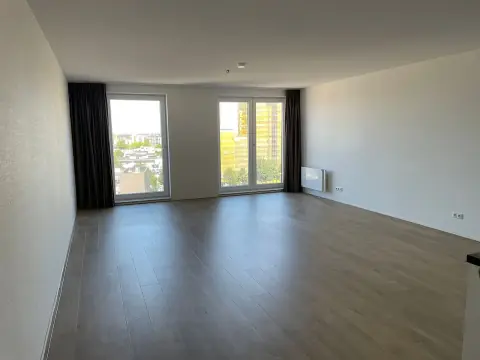
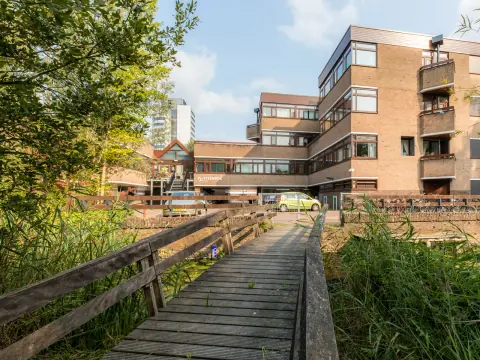
Modular housing is a construction method where entire units, or 'modules', of a building are manufactured off-site in a factory setting and then transported to the location to be assembled. This process can be significantly faster and sometimes cheaper than traditional on-site construction. In the Netherlands, this technique has been widely adopted as a key strategy for rapidly addressing acute housing shortages, particularly for specific groups like students, refugees, and young people looking for their first home. These projects are often referred to as flexwoningen (flexible housing) or temporary housing, and they frequently take the form of stacked and interconnected container-like units, creating large, semi-permanent apartment complexes on land that is awaiting future development.
These modular complexes are a common sight on the outskirts of university cities. They are presented as a modern, efficient solution to a pressing social problem. The units themselves are often new, compact, and equipped with all the basic necessities. However, the key feature that defines them is their impermanence. These buildings are often designed to be disassembled and moved after a certain period, typically 10 to 15 years, when the land is ready for its final, permanent development. This temporary nature is reflected in every aspect of the tenant experience, from the rental contract to the quality of life.
If you rent a modular home, you are almost certainly signing a fixed-term contract. The contracts are often for a specific, limited duration, and they almost never come with the possibility of extension or conversion to an indefinite lease. The housing corporation or landlord knows exactly when the building is scheduled to be removed, and the contracts are structured to ensure that all residents are gone by that date. This provides a clear and predictable housing solution for a defined period, but it offers zero long-term security. It is, by design, transitional housing.
The quality of life in these modular complexes can be mixed. While the individual units might be new, the construction method can have downsides. Sound insulation between units is a frequent and significant complaint; you may hear far more of your neighbors' lives than you would in a traditionally built concrete apartment building. The complexes are often located in less-developed areas of the city, sometimes with fewer amenities and poorer transport links. The sense of community can also be transient, as the population is typically young and aware that their time there is limited. The skeptical renter should view these properties not as a permanent home, but as a practical, functional stepping stone—a temporary solution to a temporary housing need.
Flexwoningen: A Political BuzzwordThe term flexwoningen has become a political buzzword in the Dutch housing debate. It is presented by policymakers as an innovative way to quickly increase the housing supply without the long and complex process of permanent construction. By using modular building techniques on temporarily available land, municipalities can create hundreds or even thousands of new homes in a relatively short time. This helps to alleviate pressure on the housing market and provides immediate relief for groups in urgent need.
However, critics argue that flexwoningen are a band-aid solution that distracts from the fundamental problem: a structural shortage of permanent, affordable housing. By focusing on temporary units, the government can create the appearance of taking action, while the more difficult work of building lasting communities is deferred. For the tenants in these modular homes, the solution is inherently insecure. It solves their housing problem for today, but the clock is always ticking down to the day they will have to re-enter the fiercely competitive rental market. It is a system that institutionalizes precarity, offering a temporary fix rather than a permanent solution.

€1,159.00 / month

€600.00 / month

€932.00 / month

€1,187.00 / month

€1,845.00 / month

€933.00 / month

€1,899.00 / month

€765.00 / month

€714.00 / month

€1,596.00 / month

€714.00 / month

€1,210.00 / month