Air conditioning is a system for cooling a property's air, a rare and often self-installed luxury in the Netherlands.
Onderhoudsreserve
A mandatory savings fund held by a Homeowners' Association (VvE) to cover future major maintenance and repairs.
Terms from the same part of the rental process, so you can read them together instead of looking each one up separately.
Air conditioning is a system for cooling a property's air, a rare and often self-installed luxury in the Netherlands.
Amenities are the non-essential features and facilities that add to the comfort, convenience, or pleasure of a rental property.
An assigned parking space is a valuable and guaranteed spot, but enforcement against unauthorized use can be a significant practical problem.
A storage space located in the attic, often with limited headroom and accessible by a ladder, commonly used for long-term storage of seldom-used items.
A backyard, or *achtertuin*, is a private outdoor space behind a house, highly valued but with specific maintenance obligations.
A balcony is a private outdoor platform on an upper floor, a highly-prized feature in densely populated Dutch cities.
A complete reading of Maintenance Reserve connects exceptions, Dutch context, and contracts. Continue into the full entry and related definitions before relying on the term in practice.
Every glossary entry that belongs to Property Features, collected on one page.
See TermsLook up a term, abbreviation or contract phrase and get a plain-language explanation with Dutch and English wording.
Search termsLonger guides that walk through applications, contracts, costs and moving, with the terminology used in context.
Read the guidesExplore the latest properties added to Luntero. Find new apartments, houses, and studios across the Netherlands — updated daily to help you discover your next home faster.
Luntero brings represented apartments, rooms, studios and houses from Dutch rental sources into one searchable place. Use the available filters to narrow your options, then check the original listing for current availability, price, conditions and application steps.
Browse rental listings collected from Funda, Pararius, Kamernet and other supported sources in one place. Coverage is broad but not exhaustive, and the original listing remains authoritative.
Navigate our clean and straightforward design effortlessly on both desktop and mobile devices for a seamless apartment, house, or room hunting experience in the Netherlands.
Browse rental listings in English, Dutch, Spanish, French, German, and more. Luntero ensures you can find your next home in the Netherlands in the language you're most comfortable with.
Luntero refreshes collected listings regularly and search alerts email new matches after a successful check. A source can change between refreshes, so verify decisive details there.
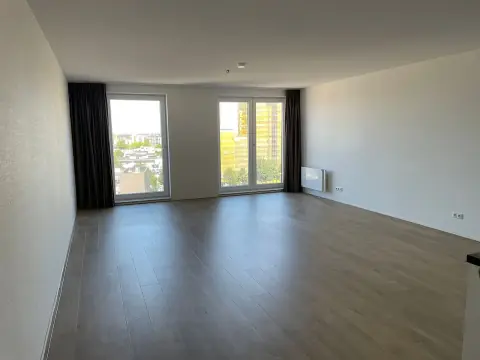
A Maintenance Reserve, known in Dutch as a reservefonds or onderhoudsreserve, is a collective savings fund that is legally mandated for almost every Vereniging van Eigenaars (VvE), or Homeowners' Association, in the Netherlands. If you are looking to rent an apartment, it is highly likely that the property is part of a VvE. The VvE is the legal entity that comprises all individual apartment owners within a single building or complex, and it is responsible for the management and maintenance of the communal areas. The purpose of the maintenance reserve is to ensure that there is enough money available to pay for large, planned, and expensive future maintenance, such as replacing the roof, renovating the facade, overhauling the elevator, or repainting the entire exterior. This fund is built up over time through the monthly service fee (VvE-bijdrage) paid by each owner. The existence of this fund prevents a situation where the building falls into disrepair because the owners cannot afford a sudden, massive bill for an urgent repair.
It is a common misconception that the VvE and its finances are purely the owner's concern. From a tenant's perspective, the financial health of the VvE is a direct and reliable indicator of the quality and stability of your potential new home. A VvE with a well-funded maintenance reserve, guided by a multi-year maintenance plan (meerjarenonderhoudsplan, or MJOP), is a sign of a well-managed, responsible building. Conversely, an inactive or insolvent VvE is a ticking time bomb. It signals that problems have been ignored and deferred, and that the building's physical condition is likely to deteriorate. This is not just an abstract financial issue; it translates into real-world problems that directly affect a tenant's quality of life.
The consequences of a poorly funded VvE fall directly on the tenant. When a major issue arises—a serious roof leak, a perpetually broken elevator, or failing central heating—an underfunded VvE will be unable to act swiftly. The owners will have to organize an emergency meeting to approve a special assessment (eenmalige bijdrage), a process which can be slow, contentious, and often fails if some owners cannot afford to pay their share. While the owners argue, the tenant is left to deal with the consequences: the persistent leak that damages their belongings, the five-flight climb with groceries, or the cold apartment in winter. Your landlord, who is just one member of the VvE, may be powerless to force a resolution on their own, even if they are well-intentioned. The service charges (servicekosten) you pay as a tenant are often intended to cover your share of the VvE costs passed on by your landlord, so you are indirectly funding the very association whose mismanagement could negatively impact you.
Therefore, a tenant must think like an owner during their property search. You are not just renting four walls; you are renting a small part of a larger, communal building, and its overall health is your concern. A landlord who owns a property in a well-managed building with a healthy reserve fund has a more valuable and stable asset, and will often treat it as such. A landlord in a financially troubled VvE may be more likely to cut corners or be unresponsive, knowing that major problems with the building are beyond their individual control.
As a prospective tenant, you have every right to inquire about the state of the building's management. While you cannot demand to see the VvE's annual reports, you can and should ask the real estate agent or the landlord direct questions. Key questions to ask include:
The reaction to these questions is often as revealing as the answers themselves. An agent for a property in a well-run building will likely answer with confidence, as a healthy VvE is a strong selling point. Evasiveness, claims of ignorance, or dismissing the question as irrelevant are major red flags. It may suggest that the agent knows there are problems and prefers not to discuss them. While you may not get a detailed financial breakdown, asking the question signals that you are a serious and informed tenant, and it pushes the landlord or agent to be transparent about the condition of the building you are considering making your home.

€1,159.00 / month

€600.00 / month

€932.00 / month

€1,187.00 / month

€1,845.00 / month

€933.00 / month

€1,899.00 / month

€765.00 / month

€714.00 / month

€1,596.00 / month

€714.00 / month

€1,210.00 / month