The legal standards for accessibility in residential buildings, which are primarily enforced for new constructions and major renovations.
Raamonderhoud
Window maintenance refers to the upkeep of all window components to ensure functionality, safety, and proper insulation.
Terms from the same part of the rental process, so you can read them together instead of looking each one up separately.
The legal standards for accessibility in residential buildings, which are primarily enforced for new constructions and major renovations.
Balcony safety compliance refers to the legal requirement for balconies and railings to meet specific structural and safety standards.
No subsidy exists for basement waterproofing; a damp or leaking basement is a maintenance defect that the landlord is legally required to fix at their own cost.
The essential regular servicing of the central heating boiler, a legal responsibility of the landlord to ensure safety and efficiency.
Building code compliance is the landlord's duty to provide a property that meets the national technical standards for safety, health, and usability set out in the 'Bouwbesluit'.
An insurance policy that covers the physical structure of the property, which is the landlord's responsibility.
Read Window Maintenance through exceptions, eligibility, and Dutch context, not as advice for an individual housing case.
Every glossary entry that belongs to Landlord Obligations, collected on one page.
See TermsLook up a term, abbreviation or contract phrase and get a plain-language explanation with Dutch and English wording.
Search termsLonger guides that walk through applications, contracts, costs and moving, with the terminology used in context.
Read the guidesExplore the latest properties added to Luntero. Find new apartments, houses, and studios across the Netherlands — updated daily to help you discover your next home faster.
Luntero brings represented apartments, rooms, studios and houses from Dutch rental sources into one searchable place. Use the available filters to narrow your options, then check the original listing for current availability, price, conditions and application steps.
Browse rental listings collected from Funda, Pararius, Kamernet and other supported sources in one place. Coverage is broad but not exhaustive, and the original listing remains authoritative.
Navigate our clean and straightforward design effortlessly on both desktop and mobile devices for a seamless apartment, house, or room hunting experience in the Netherlands.
Browse rental listings in English, Dutch, Spanish, French, German, and more. Luntero ensures you can find your next home in the Netherlands in the language you're most comfortable with.
Luntero refreshes collected listings regularly and search alerts email new matches after a successful check. A source can change between refreshes, so verify decisive details there.
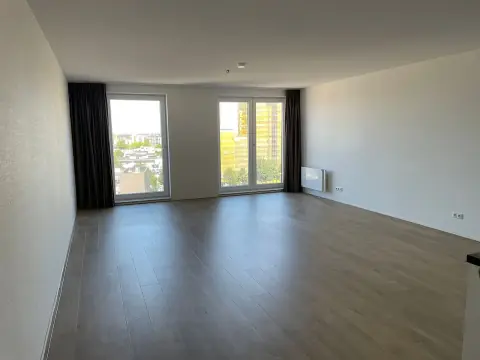
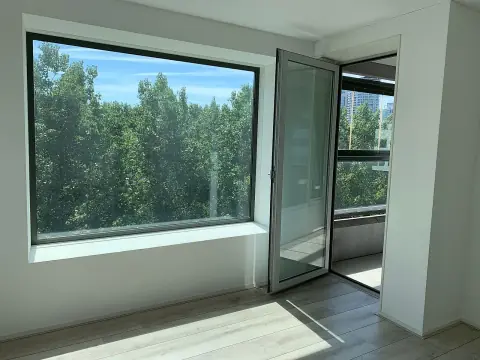
In the complex dance of landlord-tenant responsibilities, window maintenance falls squarely on the landlord for all major issues. The landlord is fundamentally responsible for the structural integrity and performance of the windows, which are considered a crucial part of the building's exterior shell. This responsibility covers the window frames (kozijnen), the glass itself, and the essential hardware that allows the window to function. For instance, if a wooden frame is suffering from wood rot (houtrot), causing drafts or making the window difficult to operate, its repair or replacement is the landlord's financial and legal duty. Similarly, if a window pane is cracked due to age or structural stress, or if the seal on a double-glazed unit fails (indicated by condensation forming between the panes), the landlord must arrange for its repair. This extends to upgrading windows to meet modern standards. While a landlord isn't automatically required to replace old single-pane glass with modern high-efficiency HR++ double glazing, they can be compelled to do so by the Huurcommissie if the existing windows are in such poor condition that they constitute a serious defect (ernstig gebrek), leading to excessive heat loss and exorbitant energy bills for the tenant. The skeptical reality, however, is that landlords often view window replacement as a massive capital expenditure to be avoided at all costs. They are far more likely to opt for cheap, temporary fixes—a bit of sealant here, a coat of paint there—that mask the underlying problem rather than solve it, leaving the tenant to shiver through another winter.
While the landlord handles the heavy lifting, the tenant is not without responsibility. The Besluit kleine herstellingen (Minor Repairs Decree) explicitly outlines the small, routine tasks that fall to the tenant. This is based on the principle that the person who uses an item daily is best positioned to care for it. For windows, this includes regular cleaning of the glass and frames (both inside and any easily and safely accessible exterior parts). More importantly, it covers the maintenance of moving parts. The tenant is expected to periodically lubricate hinges, locking mechanisms, and handles to ensure they continue to operate smoothly. This prevents premature wear and tear. The decree also assigns the tenant responsibility for replacing minor, inexpensive components that can be easily installed, such as new rubber draft strips (tochtstrips) if the old ones become worn out. The line between 'minor repair' and 'major defect' is where disputes are born. A loose handle might be considered the tenant's responsibility to tighten, but if the entire locking mechanism inside the frame is broken, it becomes the landlord's problem. Landlords will often attempt to stretch the definition of 'minor repair' to its breaking point, trying to push the cost of replacing items like broken window handles or faulty crank mechanisms onto the tenant. A savvy tenant should always consult the official list in the Minor Repairs Decree before agreeing to pay for any repair.
A tenant's greatest tool in ensuring proper window maintenance is keen observation and formal communication. You cannot expect a landlord to fix a problem they are not aware of, or one they can plausibly deny knowing about. Therefore, tenants must learn to spot the early signs of window failure. The most obvious is visible damage like cracked glass or rotting wood frames, which can be identified by soft, spongy wood that crumbles when poked with a key. Another major red flag is difficulty in operation; a window that jams, won't close fully, or is excessively difficult to open indicates a problem with the frame or hardware. Pay close attention to drafts and leaks. On a windy day, can you feel air coming through the closed window? After heavy rain, is there water on the windowsill? These are not minor comfort issues; they point to failed seals and can lead to mold growth and significant energy waste. When you identify a defect, you must report it to your landlord formally and in writing (email is sufficient, but registered mail is better for serious issues). Your report should be specific, dated, and include clear photographic or video evidence. This creates an undeniable record. If the landlord fails to respond or take appropriate action within a reasonable timeframe (typically 4-6 weeks), this documented complaint becomes the cornerstone of any further action, whether it's involving the Huurcommissie to force a repair and demand a temporary rent reduction, or contacting the gemeente (municipality) if the defect poses a serious health or safety risk.

€1,159.00 / month

€600.00 / month

€932.00 / month

€1,187.00 / month

€1,845.00 / month

€933.00 / month

€1,899.00 / month

€765.00 / month

€714.00 / month

€1,596.00 / month

€714.00 / month

€1,210.00 / month