The legal standards for accessibility in residential buildings, which are primarily enforced for new constructions and major renovations.
Naleving van Balkonveiligheid
Balcony safety compliance refers to the legal requirement for balconies and railings to meet specific structural and safety standards.
Terms from the same part of the rental process, so you can read them together instead of looking each one up separately.
The legal standards for accessibility in residential buildings, which are primarily enforced for new constructions and major renovations.
No subsidy exists for basement waterproofing; a damp or leaking basement is a maintenance defect that the landlord is legally required to fix at their own cost.
The essential regular servicing of the central heating boiler, a legal responsibility of the landlord to ensure safety and efficiency.
Building code compliance is the landlord's duty to provide a property that meets the national technical standards for safety, health, and usability set out in the 'Bouwbesluit'.
An insurance policy that covers the physical structure of the property, which is the landlord's responsibility.
While not universally mandatory by law, installing a carbon monoxide detector is a critical safety measure and part of a landlord's duty of care.
The Balcony Safety Compliance entry explains general usage; exceptions, authority, and costs determine how far that explanation applies.
Every glossary entry that belongs to Landlord Obligations, collected on one page.
See TermsLook up a term, abbreviation or contract phrase and get a plain-language explanation with Dutch and English wording.
Search termsLonger guides that walk through applications, contracts, costs and moving, with the terminology used in context.
Read the guidesExplore the latest properties added to Luntero. Find new apartments, houses, and studios across the Netherlands — updated daily to help you discover your next home faster.
Luntero brings represented apartments, rooms, studios and houses from Dutch rental sources into one searchable place. Use the available filters to narrow your options, then check the original listing for current availability, price, conditions and application steps.
Browse rental listings collected from Funda, Pararius, Kamernet and other supported sources in one place. Coverage is broad but not exhaustive, and the original listing remains authoritative.
Navigate our clean and straightforward design effortlessly on both desktop and mobile devices for a seamless apartment, house, or room hunting experience in the Netherlands.
Browse rental listings in English, Dutch, Spanish, French, German, and more. Luntero ensures you can find your next home in the Netherlands in the language you're most comfortable with.
Luntero refreshes collected listings regularly and search alerts email new matches after a successful check. A source can change between refreshes, so verify decisive details there.
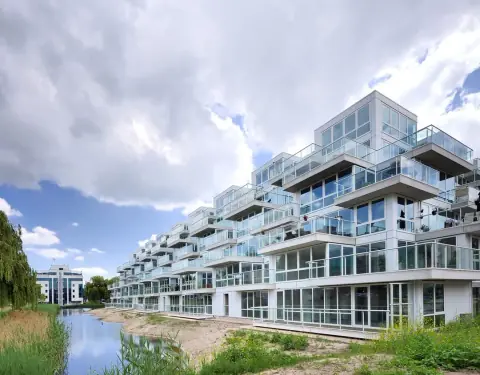
When it comes to the safety of balconies, railings, and rooftop terraces, the responsibility lies exclusively and absolutely with the property owner—the landlord or the Vereniging van Eigenaars (VvE) in an apartment complex. There is no gray area or 'minor repair' clause that shifts this burden to the tenant. This is because a balcony is a primary structural element of the building, and its failure can have catastrophic consequences. The safety requirements for balconies are dictated by the Bouwbesluit (Building Decree), a set of national technical standards for all construction in the Netherlands. This decree specifies minimum requirements for things like the height of the balustrade or railing (typically at least 1 meter), the maximum spacing between vertical bars (to prevent children from squeezing through), and, most critically, the structural load the balcony and its railings must be able to withstand. For newer buildings, these standards are quite strict. The challenge, however, lies with older properties. While they are expected to be safe, they may not meet the latest, most stringent versions of the Bouwbesluit. They are often 'grandfathered' in, meaning they only need to comply with the code that was in effect at the time of their construction. This legal loophole does not make an old, crumbling balcony any safer. A landlord cannot use the age of the building as an excuse to neglect visible and dangerous defects.
Tenants should never assume that a balcony is safe just because it exists. It is crucial to perform a careful visual and physical inspection, both before signing a lease and periodically throughout the tenancy. Look for visible signs of structural distress. For concrete balconies, this includes large cracks, crumbling edges (betonrot), or exposed and rusting rebar. These are not cosmetic issues; they are serious indicators that the structural integrity may be compromised. For metal railings, check for significant rust and corrosion, especially at the points where the railing is anchored to the building. Wobbly or loose railings are an immediate and major red flag. Gently but firmly push on the railing to test its stability. If there is any significant give or movement, it should be considered unsafe and reported immediately. Also, assess the design of the railing itself. Does it have horizontal bars that could be easily climbed by a child, creating a ladder effect? Is the spacing between vertical elements too wide? While these design aspects may have been permissible under older building codes, they still pose a real risk. Any concern about balcony safety is a valid concern. Do not let a landlord or real estate agent dismiss your observations. Your physical safety is not a negotiable aspect of the rental agreement.
If you have any reason to believe a balcony is unsafe, you must act swiftly and formally. Your first step is to notify your landlord in writing (e.g., via email with a read receipt, or by registered post) of your specific concerns. Include clear, dated photographs of the defects you have identified (cracks, rust, loose fittings, etc.). Describe the problem in detail and state that you believe it poses a serious safety risk. This written communication is your essential piece of evidence. A balcony defect that compromises safety is considered an ernstig gebrek (serious defect), and the landlord is obligated to investigate and rectify it urgently. If the landlord ignores your request or fails to take adequate action, you must escalate the matter. The next step is to contact the building inspection department of your local gemeente (municipality), often called Bouw- en Woningtoezicht. They have the authority to inspect the property and, if they deem the balcony to be dangerous, can issue an enforcement order (handhavingsbevel) compelling the landlord to make the necessary repairs, often under threat of significant fines. In cases of prolonged inaction by the landlord, you can also start a case with the Huurcommissie to request a substantial rent reduction until the balcony is made safe and accessible again. Never underestimate the danger of a neglected balcony; it is one of the few areas of a rental property where defects can be directly life-threatening.

€1,159.00 / month

€600.00 / month

€932.00 / month

€1,187.00 / month

€1,845.00 / month

€933.00 / month

€1,899.00 / month

€765.00 / month

€714.00 / month

€1,596.00 / month

€714.00 / month

€1,210.00 / month