
Accessibility Compliance
The legal standards for accessibility in residential buildings, which are primarily enforced for new constructions and major renovations.

Verbod op eigenrichting
'Self-help' evictions, such as changing a tenant's locks, are strictly illegal in the Netherlands and constitute a criminal offense.
The Dutch legal system is built on the principle that individuals cannot take the law into their own hands. This concept, known as eigenrichting (literally 'directing one's own justice'), is strictly forbidden. In the context of rental law, this translates to an absolute ban on 'self-help evictions'. A landlord, regardless of how frustrated they are with a tenant or how valid they believe their reasons are, cannot bypass the legal system to force a tenant out. Any attempt to do so is illegal and carries severe consequences.
This prohibition is one of the most fundamental protections a tenant has. It ensures that the potentially life-altering event of an eviction is always subject to judicial oversight, preventing landlords from acting as judge, jury, and executioner.
A self-help eviction includes any action taken by a landlord to make a property inaccessible or uninhabitable in order to remove a tenant. Common examples of these illegal acts include:
eigenrichting.All of these actions are illegal. The only legal way to evict a tenant is by obtaining an eviction order (ontruimingsvonnis) from a judge and having it executed by a court bailiff (deurwaarder).
Being illegally locked out of your home is an emergency situation. A tenant in this position should take immediate action:
Kort Geding): The tenant's lawyer can immediately file for an emergency court proceeding. A judge will hear the case on very short notice. The outcome is almost certain: the judge will order the landlord to grant the tenant access immediately.Dwangsom): The court will typically attach a large daily penalty (dwangsom) to the order—often thousands of euros per day—payable by the landlord for every day they fail to comply. This creates an immense financial incentive for the landlord to restore access without delay.The law is exceptionally clear on this point, and judges do not look kindly on landlords who resort to eigenrichting.
Table of Contents
Terms from the same part of the rental process, so you can read them together instead of looking each one up separately.
The legal standards for accessibility in residential buildings, which are primarily enforced for new constructions and major renovations.
Balcony safety compliance refers to the legal requirement for balconies and railings to meet specific structural and safety standards.
No subsidy exists for basement waterproofing; a damp or leaking basement is a maintenance defect that the landlord is legally required to fix at their own cost.
The essential regular servicing of the central heating boiler, a legal responsibility of the landlord to ensure safety and efficiency.
Building code compliance is the landlord's duty to provide a property that meets the national technical standards for safety, health, and usability set out in the 'Bouwbesluit'.
An insurance policy that covers the physical structure of the property, which is the landlord's responsibility.
Use the definition of Self-Help Eviction Ban (Eigenrichting) to understand exceptions, while confirming costs and case context independently.
Every glossary entry that belongs to Landlord Obligations, collected on one page.
See TermsLook up a term, abbreviation or contract phrase and get a plain-language explanation with Dutch and English wording.
Search termsLonger guides that walk through applications, contracts, costs and moving, with the terminology used in context.
Read the guidesExplore the latest properties added to Luntero. Find new apartments, houses, and studios across the Netherlands — updated daily to help you discover your next home faster.
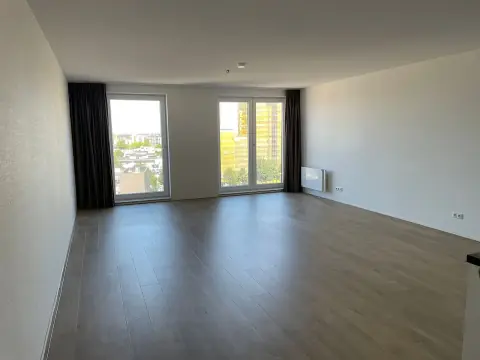
€1,159.00 / month
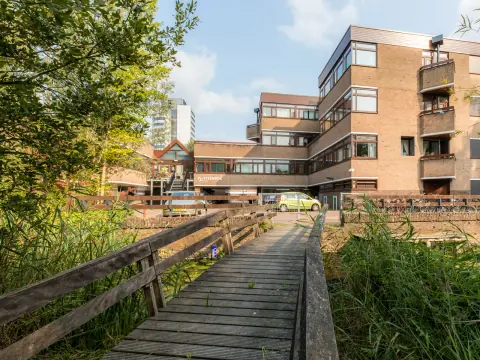
€600.00 / month
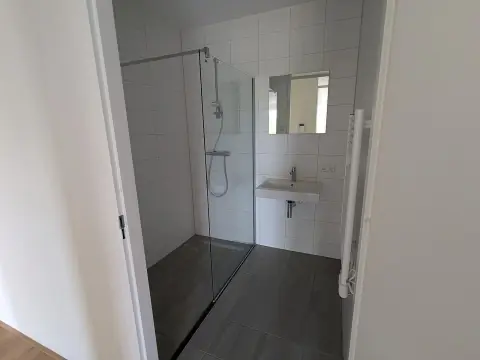
€932.00 / month
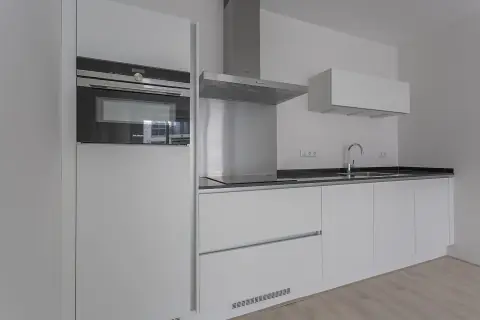
€1,187.00 / month
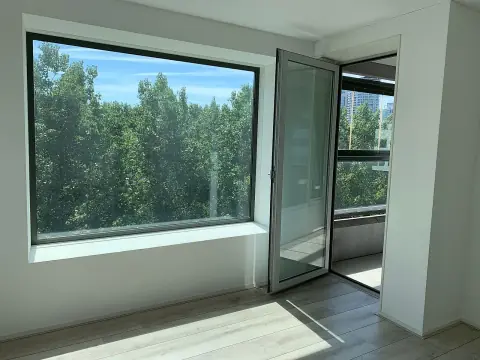
€1,845.00 / month
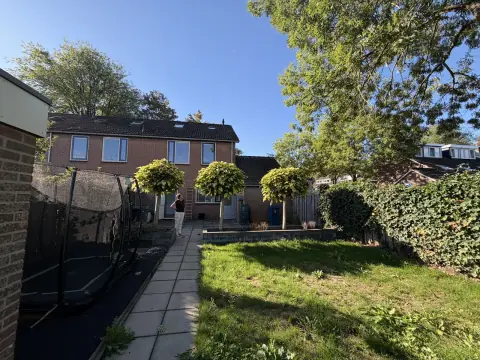
€933.00 / month
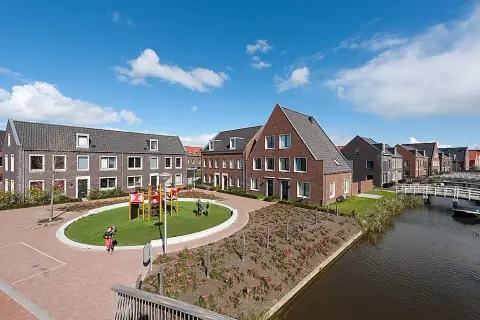
€1,899.00 / month
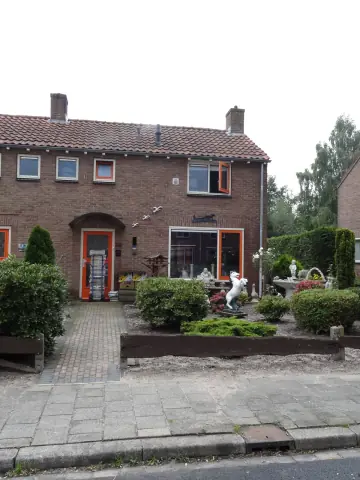
€765.00 / month
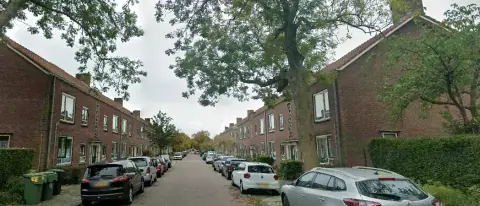
€714.00 / month
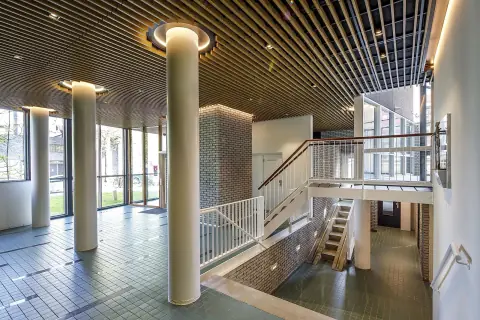
€1,596.00 / month
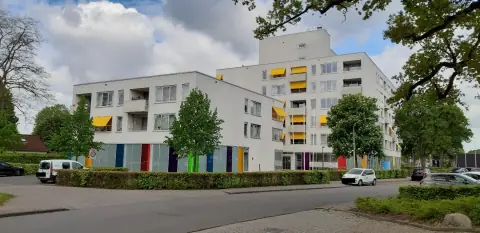
€714.00 / month
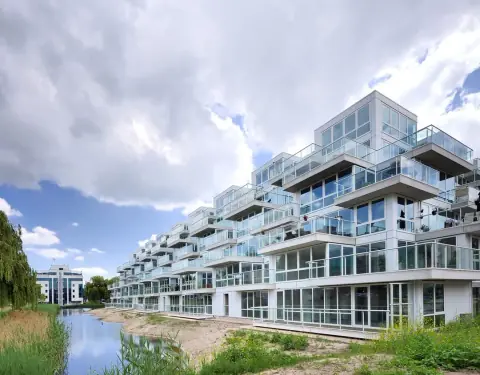
€1,210.00 / month
Luntero brings represented apartments, rooms, studios and houses from Dutch rental sources into one searchable place. Use the available filters to narrow your options, then check the original listing for current availability, price, conditions and application steps.
Browse rental listings collected from Funda, Pararius, Kamernet and other supported sources in one place. Coverage is broad but not exhaustive, and the original listing remains authoritative.
Navigate our clean and straightforward design effortlessly on both desktop and mobile devices for a seamless apartment, house, or room hunting experience in the Netherlands.
Browse rental listings in English, Dutch, Spanish, French, German, and more. Luntero ensures you can find your next home in the Netherlands in the language you're most comfortable with.
Luntero refreshes collected listings regularly and search alerts email new matches after a successful check. A source can change between refreshes, so verify decisive details there.