
Accessibility Compliance
The legal standards for accessibility in residential buildings, which are primarily enforced for new constructions and major renovations.

Veilige Sloten
Secure locks are locking mechanisms that meet specific resistance standards against common burglary techniques.
The term 'secure lock' is subjective until measured against a recognized standard. In the Netherlands, the definitive benchmark for lock security is the SKG (Stichting Kwaliteit Gevelbouw) rating system. This independent foundation tests and certifies building hardware, including locks, cylinders, and security plates (veiligheidsbeslag). The SKG rating is displayed as a logo of a triangle containing one, two, or three stars. Understanding this system is non-negotiable for any tenant concerned about safety. A one-star (SKG*) lock provides a basic level of security, certified to resist a break-in attempt for at least three minutes. While better than nothing, this is considered the bare minimum. A two-star (SKG**) lock is the most common standard for existing homes, offering at least five minutes of resistance and protection against common attack methods like drilling. The highest rating, three stars (SKG***), provides the same five minutes of resistance but adds crucial protection against the highly prevalent method of cylinder pulling (kerntrekken). A landlord might claim a lock is 'good' or 'new', but these words are meaningless without an SKG rating. Many older rental properties are fitted with unrated locks that can be bypassed in seconds by a moderately skilled burglar. The tenant's assumption that a key-operated lock equals security is a dangerous one, often encouraged by landlords unwilling to invest in proper, certified hardware. It's a classic case of cosmetic security: the appearance of safety without the substance.
According to Dutch law, a landlord must provide a dwelling with 'functional' locks. The problem lies in the interpretation of 'functional'. Does it mean the key turns and the bolt moves, or does it mean the lock provides a reasonable degree of resistance against forced entry? The Bouwbesluit (Building Decree) specifies standards for new constructions, which typically require SKG** rated locks. However, for the vast majority of the existing rental stock, the legal requirements are far more lenient. A landlord can legally rent out a property with decades-old, non-SKG-rated locks, as long as they are not physically broken. This puts the tenant in a difficult position. If you move into an apartment and find the locks are substandard, you can request an upgrade from your landlord. The landlord, however, is often under no legal obligation to comply unless you can prove the current lock is defective or fails to meet the minimal requirements of the building code for that specific property age. This often leads to a standoff. The tenant feels unsafe, while the landlord sees an unnecessary expense. If the landlord refuses the request, the tenant has a few options, none of them ideal. They can take the issue to the Huurcommissie (Rent Tribunal), but the outcome is uncertain. Alternatively, they can pay to upgrade the locks themselves, but this requires permission and they may have to reinstall the old locks when they move out. This system effectively outsources the cost of adequate security to the tenant, while the landlord continues to collect rent on a property that may be insecure.
Tenants must learn to identify weak points in their apartment's security, as they cannot rely on the landlord to do so. The most critical vulnerability to check for is kerntrekken or cylinder pulling. This brute-force technique involves screwing a special tool into the keyhole and yanking the cylinder out, granting immediate access. You can spot a vulnerable lock by looking at how far the metal cylinder protrudes from the door or the exterior metal plate (beslag). If the cylinder sticks out by more than 3 millimeters, it is an easy target. A proper security plate (SKG*** rated veiligheidsbeslag) will fully enclose the cylinder, making it impossible to grip. Another tip is to check the exterior plate for screws. If you can see screws on the outside, it's not a security plate; a burglar can simply unscrew it to expose the lock mechanism. Another common, though less discussed, issue is key duplication. Does the landlord keep a master key? How many previous tenants might still have a copy of the key? While legally a landlord can only enter with permission, the potential for unauthorized copies exists. When moving in, it can be wise to request that the lock cylinder be replaced, even if it's at your own expense, for peace of mind. By proactively identifying these vulnerabilities, tenants can make informed decisions and build a stronger case when demanding necessary security upgrades from a reluctant landlord.
Table of Contents
Terms from the same part of the rental process, so you can read them together instead of looking each one up separately.
The legal standards for accessibility in residential buildings, which are primarily enforced for new constructions and major renovations.
Balcony safety compliance refers to the legal requirement for balconies and railings to meet specific structural and safety standards.
No subsidy exists for basement waterproofing; a damp or leaking basement is a maintenance defect that the landlord is legally required to fix at their own cost.
The essential regular servicing of the central heating boiler, a legal responsibility of the landlord to ensure safety and efficiency.
Building code compliance is the landlord's duty to provide a property that meets the national technical standards for safety, health, and usability set out in the 'Bouwbesluit'.
An insurance policy that covers the physical structure of the property, which is the landlord's responsibility.
Move from the literal wording of Secure Locks to exceptions, costs, and authority for practical meaning. Use current official guidance or qualified advice where the term affects an individual decision.
Every glossary entry that belongs to Landlord Obligations, collected on one page.
See TermsLook up a term, abbreviation or contract phrase and get a plain-language explanation with Dutch and English wording.
Search termsLonger guides that walk through applications, contracts, costs and moving, with the terminology used in context.
Read the guidesExplore the latest properties added to Luntero. Find new apartments, houses, and studios across the Netherlands — updated daily to help you discover your next home faster.
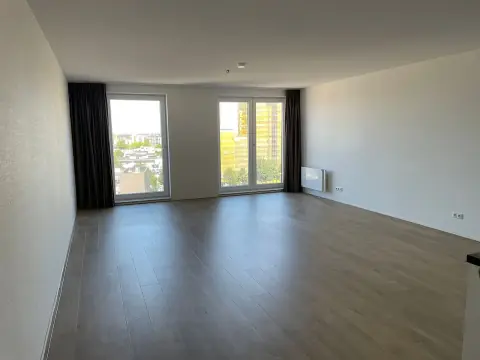
€1,159.00 / month
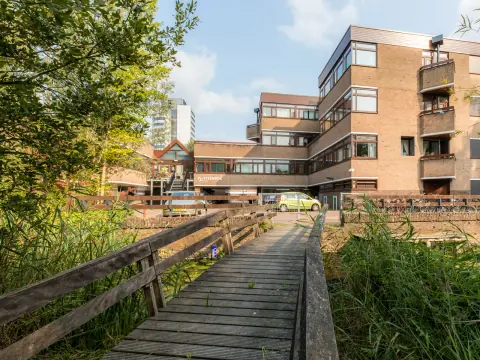
€600.00 / month
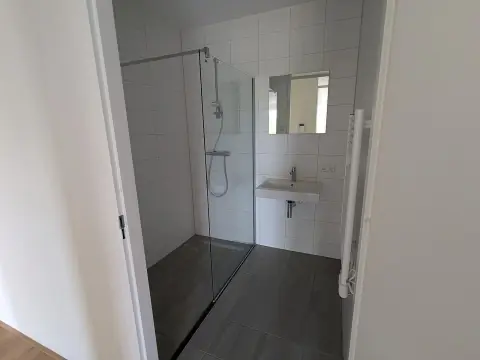
€932.00 / month
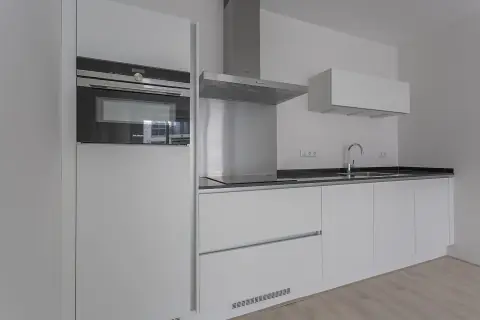
€1,187.00 / month
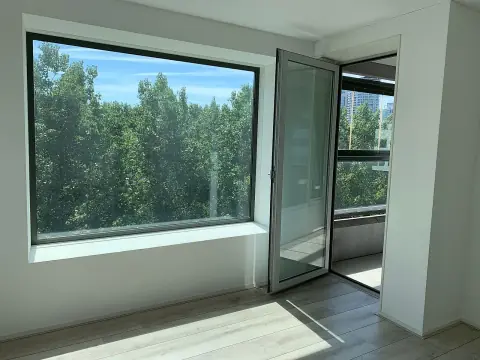
€1,845.00 / month
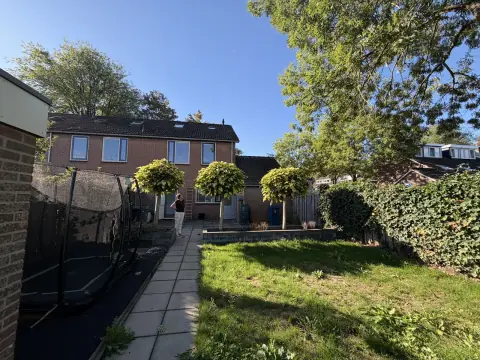
€933.00 / month
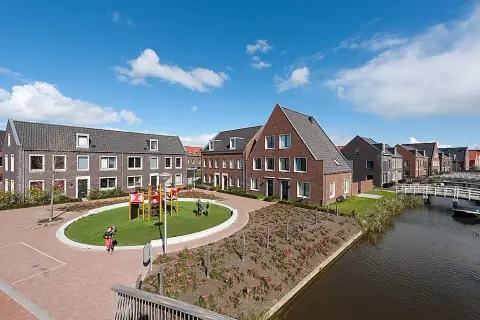
€1,899.00 / month
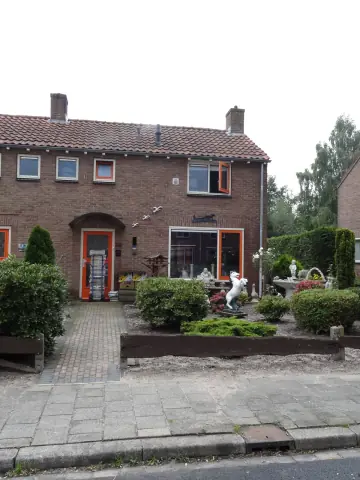
€765.00 / month
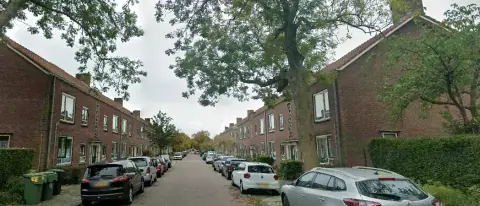
€714.00 / month
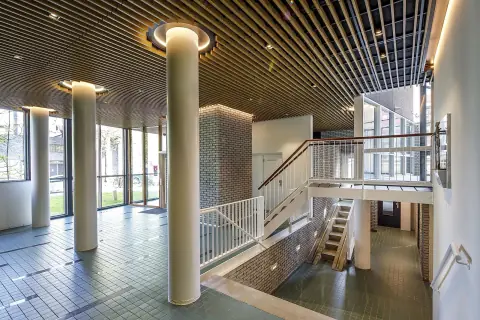
€1,596.00 / month
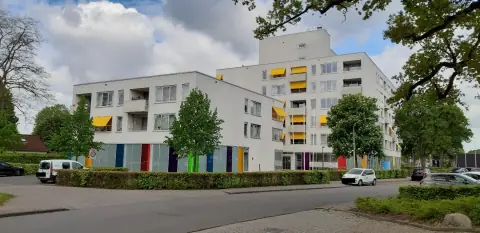
€714.00 / month
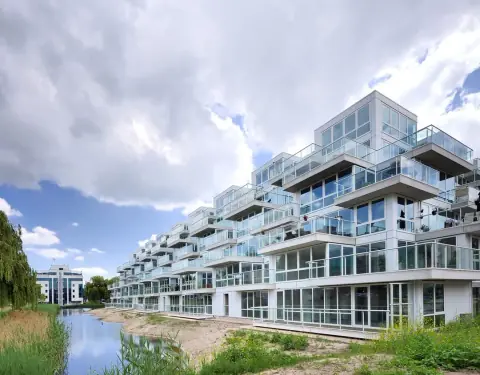
€1,210.00 / month
Luntero brings represented apartments, rooms, studios and houses from Dutch rental sources into one searchable place. Use the available filters to narrow your options, then check the original listing for current availability, price, conditions and application steps.
Browse rental listings collected from Funda, Pararius, Kamernet and other supported sources in one place. Coverage is broad but not exhaustive, and the original listing remains authoritative.
Navigate our clean and straightforward design effortlessly on both desktop and mobile devices for a seamless apartment, house, or room hunting experience in the Netherlands.
Browse rental listings in English, Dutch, Spanish, French, German, and more. Luntero ensures you can find your next home in the Netherlands in the language you're most comfortable with.
Luntero refreshes collected listings regularly and search alerts email new matches after a successful check. A source can change between refreshes, so verify decisive details there.