
All-inclusive Lease
An 'all-inclusive' lease ('all-in huur') is a rental contract with a single price for rent and all other costs, a structure that is legally problematic and disadvantageous for tenants.

Staffelhuur
A clause in a lease agreement that specifies a pre-determined rent increase at a future date.
A rent step-up clause, often referred to in Dutch contracts as staffelhuur (graduated rent), is a provision that pre-defines specific rent increases on specific future dates. This is different from the standard annual indexation (indexeringsclausule), which typically adjusts the rent based on the official inflation rate. A step-up clause is a fixed, pre-agreed jump in price. For example, a three-year contract might state that the rent is €1,500 in year one, will 'step up' to €1,600 in year two, and will increase again to €1,700 in year three. The key characteristic is that the amounts and dates are explicitly defined in the contract from the very beginning.
While more common in commercial real estate, these clauses are also used in the residential free sector (vrije sector). Landlords use them to build in a guaranteed return over the life of the tenancy, often starting with a slightly more attractive initial rent to lure in a tenant, with the intention of making up for it with the subsequent, guaranteed increases. For a tenant, this clause provides certainty about future housing costs, but it can also lock them into significant price hikes that may outpace both inflation and their personal income growth. It is a double-edged sword: it offers predictability, but that prediction might be unfavorable.
The legality of rent step-up clauses in the free sector can be a grey area and is a point of contention. A contract cannot simultaneously contain a graduated rent clause (staffelhuur) and a separate annual inflation indexation clause if they apply during the same period. This is considered an unfair contract term (onredelijk beding) because it allows the landlord to increase the rent twice in one year. If a contract contains both, a court will typically invalidate the step-up clause, leaving only the standard inflation-based adjustment in place. Many landlords and agents are either unaware of this or hope the tenant will not notice, so it's critical to read the rent adjustment section of your contract with extreme care.
Before signing a lease with a rent step-up, a tenant must do the math. Calculate the total rent you will pay over the entire contract period. Does the attractive starting rent obscure a punishingly high average rent? Compare the pre-agreed increases to the likely rate of inflation. A step-up of 5-10% per year is significantly higher than a typical inflation adjustment and should be viewed with extreme skepticism. You are essentially gambling that your income will grow fast enough to absorb these planned increases. In a market with high tenant turnover, a landlord may use this clause knowing that the tenant is likely to move out after the first or second step-up, allowing them to re-list the property at the newly established higher rent.
It is vital not to confuse a staffelhuur clause with the standard annual indexeringsclausule. The vast majority of free-sector contracts in the Netherlands have an indexation clause. This allows the landlord to increase the rent once every 12 months by a percentage that is usually tied to the Consumer Price Index (CPI) as published by Statistics Netherlands (CBS). Sometimes the clause will allow for CPI + a small, fixed margin (e.g., CPI + 1%). This is a floating increase that reflects the broader economy. A rent step-up, by contrast, is a fixed, absolute increase that has no connection to inflation. While both result in a higher rent, the step-up is a predetermined leap, whereas indexation is a more organic adjustment. Always clarify which type of increase mechanism is in your contract. If you see both, seek legal advice immediately.
Table of Contents
Terms from the same part of the rental process, so you can read them together instead of looking each one up separately.
An 'all-inclusive' lease ('all-in huur') is a rental contract with a single price for rent and all other costs, a structure that is legally problematic and disadvantageous for tenants.
An annual lease is a fixed-term rental contract for a duration of exactly one year, a common but often inflexible arrangement for tenants in the Dutch market.
An apartment lease is the most common type of residential rental agreement in the Netherlands, providing strong tenant protection under the law.
'Automatic renewal' does not lead to another fixed term in the Netherlands; it legally converts a temporary lease into a secure, indefinite one.
A break clause, often a 'diplomat's clause', is a contractual term that allows a landlord or tenant to terminate a fixed-term lease prematurely under specific circumstances.
A lease for a static caravan ('stacaravan') intended for permanent residence offers a degree of tenant protection, which is not the case for recreational use.
Connect Rent Step-Up with exceptions and contracts, then use legal limits to identify the appropriate follow-up source.
Every glossary entry that belongs to Contract Types, collected on one page.
See TermsLook up a term, abbreviation or contract phrase and get a plain-language explanation with Dutch and English wording.
Search termsLonger guides that walk through applications, contracts, costs and moving, with the terminology used in context.
Read the guidesExplore the latest properties added to Luntero. Find new apartments, houses, and studios across the Netherlands — updated daily to help you discover your next home faster.
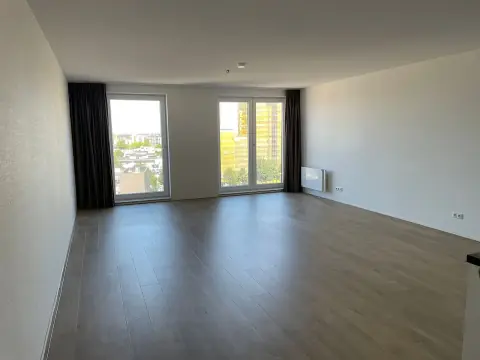
€1,159.00 / month

€600.00 / month
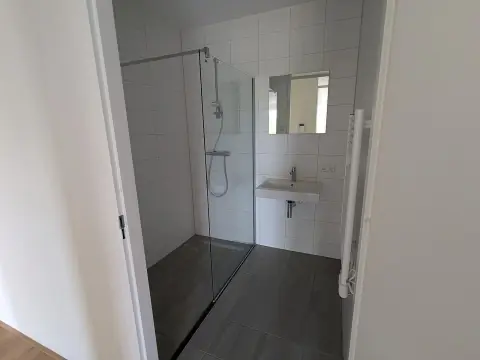
€932.00 / month
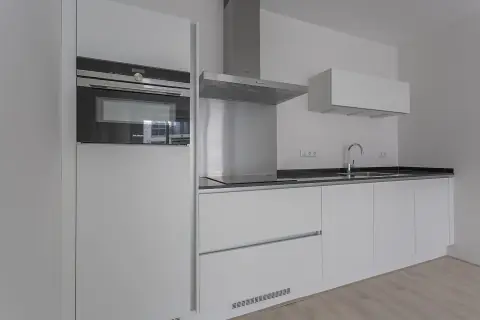
€1,187.00 / month
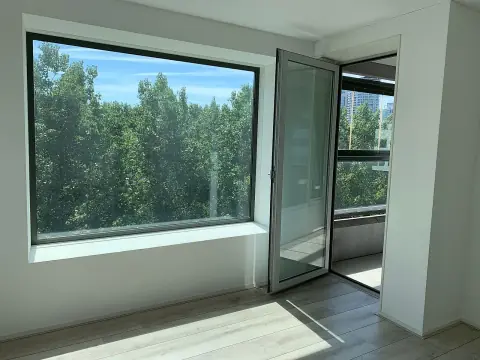
€1,845.00 / month
€933.00 / month

€1,899.00 / month

€765.00 / month
€714.00 / month

€1,596.00 / month

€714.00 / month

€1,210.00 / month
Luntero brings represented apartments, rooms, studios and houses from Dutch rental sources into one searchable place. Use the available filters to narrow your options, then check the original listing for current availability, price, conditions and application steps.
Browse rental listings collected from Funda, Pararius, Kamernet and other supported sources in one place. Coverage is broad but not exhaustive, and the original listing remains authoritative.
Navigate our clean and straightforward design effortlessly on both desktop and mobile devices for a seamless apartment, house, or room hunting experience in the Netherlands.
Browse rental listings in English, Dutch, Spanish, French, German, and more. Luntero ensures you can find your next home in the Netherlands in the language you're most comfortable with.
Luntero refreshes collected listings regularly and search alerts email new matches after a successful check. A source can change between refreshes, so verify decisive details there.