
Annual Lease (12-Month Contract)
An annual lease is a fixed-term rental contract for a duration of exactly one year, a common but often inflexible arrangement for tenants in the Dutch market.

Alles-inclusief huurcontract
An 'all-inclusive' lease ('all-in huur') is a rental contract with a single price for rent and all other costs, a structure that is legally problematic and disadvantageous for tenants.
An 'all-inclusive lease' or all-in huurcontract is a rental agreement where the tenant pays a single, unitemized price to the landlord. This single price includes not only the basic rent for the property (kale huur) but also all other costs, such as service charges (servicekosten) and utilities like gas, water, electricity, and internet. While this might seem simple and convenient, this type of contract is strongly discouraged by Dutch law and is almost always a very bad deal for the tenant. The lack of separation between the basic rent and the service/utility costs makes the contract opaque and undermines several key tenant rights.
The opacity of an all-in contract creates three major problems for a tenant: 1. Inability to Check the Rent Price: Without a specified basic rent, it is impossible for a tenant to use the official points system (woningwaarderingsstelsel) to check if the rent is fair or to have it assessed by the Huurcommissie (Rent Tribunal). 2. No Annual Settlement of Costs: The landlord is not required to provide an annual settlement (eindafrekening) of the actual utility and service costs. This means the tenant has no way of knowing if they are being overcharged, and the landlord could be making a significant hidden profit on these costs. 3. Ineligibility for Rent Allowance: A tenant with an all-in contract cannot apply for the government's rent allowance (huurtoeslag), as the application requires a specified basic rent amount.
Recognizing how disadvantageous these contracts are, Dutch law provides a powerful tool for tenants. A tenant with an all-in lease has the right, at any point during their tenancy, to submit a request to the Huurcommissie to have the price officially split. The Huurcommissie will analyze the property and the costs and then issue a binding ruling that separates the single price into a basic rent component and an advance payment for service/utility costs. In doing so, they often use a default formula (e.g., setting the basic rent at 55% of the all-in price) that is highly favorable to the tenant. This not only creates transparency but can also lead to a significant reduction in the legal basic rent.
Table of Contents
Terms from the same part of the rental process, so you can read them together instead of looking each one up separately.
An annual lease is a fixed-term rental contract for a duration of exactly one year, a common but often inflexible arrangement for tenants in the Dutch market.
An apartment lease is the most common type of residential rental agreement in the Netherlands, providing strong tenant protection under the law.
'Automatic renewal' does not lead to another fixed term in the Netherlands; it legally converts a temporary lease into a secure, indefinite one.
A break clause, often a 'diplomat's clause', is a contractual term that allows a landlord or tenant to terminate a fixed-term lease prematurely under specific circumstances.
A lease for a static caravan ('stacaravan') intended for permanent residence offers a degree of tenant protection, which is not the case for recreational use.
A 'caretaker lease' ('dienstwoning') is tied to an employment contract, and tenant protection is waived if living in the house is essential for the job.
Move from the literal wording of All-Inclusive Lease to exceptions, authority, and meaning for practical meaning.
Every glossary entry that belongs to Contract Types, collected on one page.
See TermsLook up a term, abbreviation or contract phrase and get a plain-language explanation with Dutch and English wording.
Search termsLonger guides that walk through applications, contracts, costs and moving, with the terminology used in context.
Read the guidesExplore the latest properties added to Luntero. Find new apartments, houses, and studios across the Netherlands — updated daily to help you discover your next home faster.
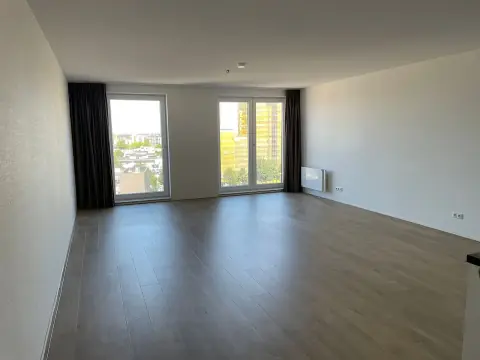
€1,159.00 / month
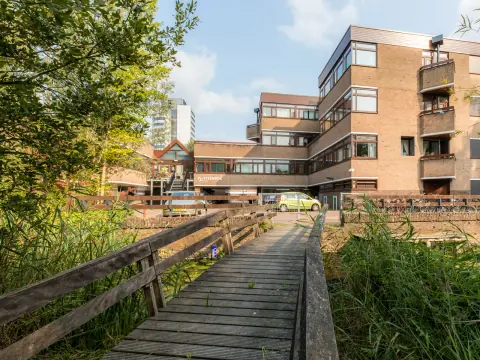
€600.00 / month
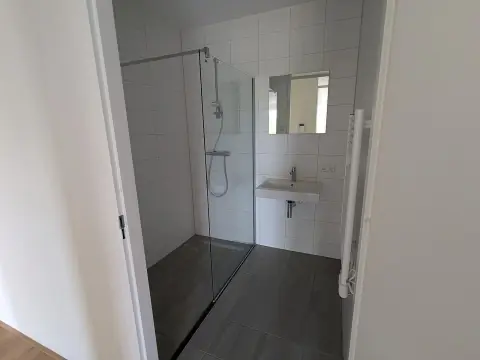
€932.00 / month
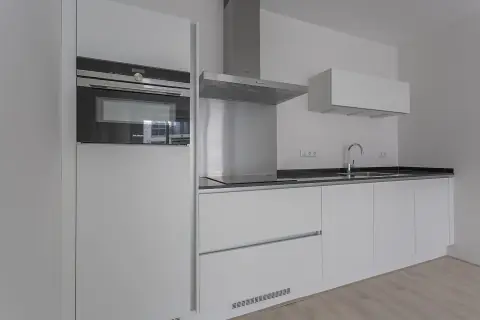
€1,187.00 / month
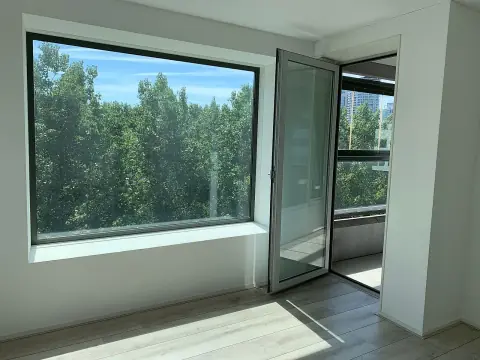
€1,845.00 / month
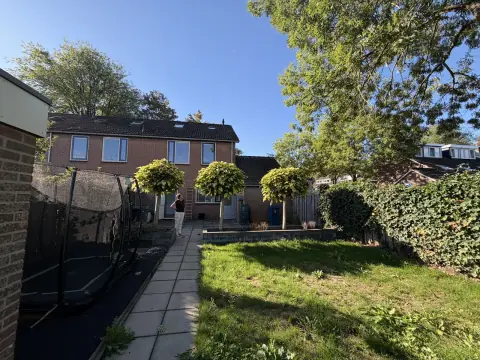
€933.00 / month
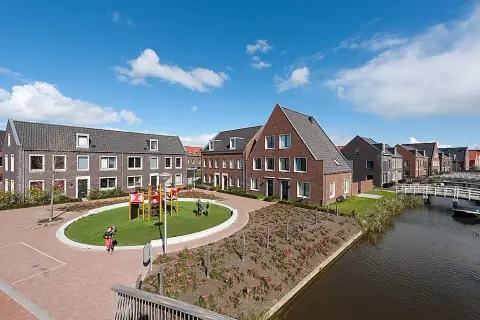
€1,899.00 / month
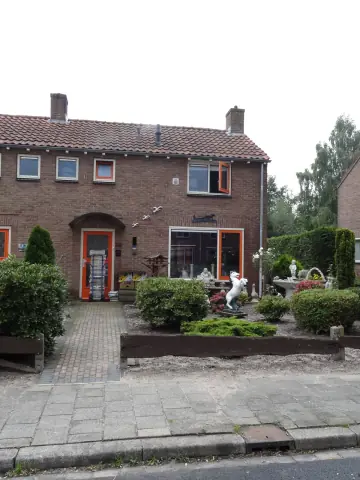
€765.00 / month
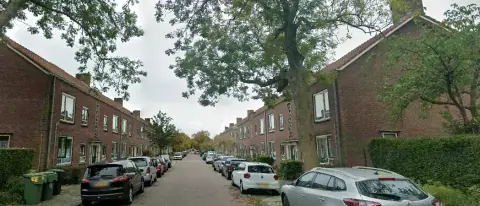
€714.00 / month

€1,596.00 / month
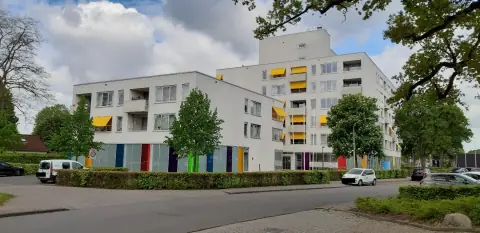
€714.00 / month
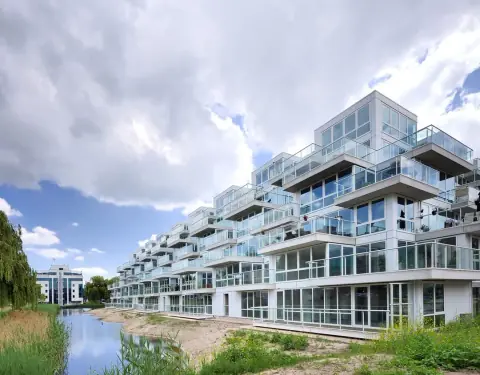
€1,210.00 / month
Luntero brings represented apartments, rooms, studios and houses from Dutch rental sources into one searchable place. Use the available filters to narrow your options, then check the original listing for current availability, price, conditions and application steps.
Browse rental listings collected from Funda, Pararius, Kamernet and other supported sources in one place. Coverage is broad but not exhaustive, and the original listing remains authoritative.
Navigate our clean and straightforward design effortlessly on both desktop and mobile devices for a seamless apartment, house, or room hunting experience in the Netherlands.
Browse rental listings in English, Dutch, Spanish, French, German, and more. Luntero ensures you can find your next home in the Netherlands in the language you're most comfortable with.
Luntero refreshes collected listings regularly and search alerts email new matches after a successful check. A source can change between refreshes, so verify decisive details there.