
Application Expiry
The timeframe after which a rental application or a position on a waiting list is no longer considered valid, a key concept in the social housing system.

Erfpacht (leasehold)
Leasehold, or erfpacht, is a system where a property owner does not own the land their building is on and must pay a ground rent, a common situation in major Dutch cities like Amsterdam.
When you rent an apartment in many of the major Dutch cities, particularly Amsterdam, you are participating in a multi-layered system of renting. Not only are you renting your living space from your landlord, but your landlord is very likely renting the ground the entire building stands on from the actual landowner, which is usually the municipality. This system is called leasehold, or erfpacht. It is a legal construction where ownership of the land is separated from the ownership of the buildings on top of it. The property owner (your landlord) has the long-term right to use the land, typically for a fixed period like 50 or 75 years, in exchange for an annual payment called ground rent, or the canon. This system has been used for centuries as a way for cities to retain control over urban development and to generate a steady stream of income.
For a tenant, the concept of erfpacht is largely a background detail that operates one level above their own rental agreement. You do not pay the ground rent directly; that is your landlord's responsibility as the leaseholder. However, this underlying cost is, without a doubt, factored into the calculation of your monthly rent. It is one of the many components that contribute to the high cost of housing in these cities. While it doesn't typically affect your day-to-day life as a renter, understanding its existence helps to paint a fuller picture of the complex property ownership structures that define the Dutch market.
The primary source of anxiety for property owners on leasehold land is the revision of the ground rent. In older, fixed-term leasehold systems, the canon is often fixed for a long period (e.g., 50 years). When this period ends, the municipality has the right to reassess the land value and issue a new, often drastically higher, ground rent for the next period. This can create massive financial uncertainty for the property owner. A sudden, sharp increase in their annual canon payment can significantly impact their investment's profitability. While this is the landlord's problem, not yours, a major increase in their underlying costs will almost certainly translate into an attempt to increase your rent at the earliest legal opportunity, or a decision to sell the property rather than continue renting it out at a lower margin.
To combat this uncertainty, many cities, including Amsterdam, have been transitioning towards a system of perpetual leasehold (eeuwigdurende erfpacht). This allows property owners to 'buy off' the ground rent for eternity or to fix the annual payment amount indefinitely (indexed only for inflation). This provides much more long-term financial stability for owners. As a renter, a property that is on perpetual leasehold or, even better, on freehold (eigen grond), represents a more stable underlying ownership situation, which can indirectly contribute to a more stable tenancy. It's a detail you can sometimes find in a property listing and, while not a primary concern, it adds a layer of context to the property's long-term prospects.
Understanding leasehold is best done by contrasting it with its alternative, freehold (eigen grond). Freehold is the simplest and most complete form of property ownership. If a property is freehold, it means the owner of the building also owns the land it stands on, outright and forever. There is no ground lease, no annual canon to pay, and no external landowner like the municipality involved. This is the most common form of property ownership in many parts of the world and in many smaller towns and newer developments in the Netherlands.
For a tenant, a freehold property is the most straightforward situation. Your landlord is the absolute owner, and your rental agreement is the only relevant contract. There are no third-party complications or risks related to expiring ground leases. In cities like Amsterdam, however, freehold properties are the exception rather than the rule, especially in the historic center. The majority of the land is, and will remain, owned by the municipality. While you are unlikely to base your choice of a rental apartment on whether it's on leasehold or freehold land, knowing the difference provides a deeper understanding of the forces that shape the local housing market and contribute to its unique complexities and costs.
Table of Contents
Terms from the same part of the rental process, so you can read them together instead of looking each one up separately.
The timeframe after which a rental application or a position on a waiting list is no longer considered valid, a key concept in the social housing system.
There is no direct 'BENG subsidy'; BENG is a mandatory energy performance standard for all new buildings, not a subsidized option.
The 'Bouwbesluit 2012' is the national building code of the Netherlands, setting the minimum legal standards for safety, health, and usability that all rental properties must meet.
Capital gains relief on housing means that any profit made from selling your primary residence in the Netherlands is completely tax-free.
There is no single 'Community Housing Fund' in the Netherlands; the concept is fulfilled by the social investment activities of housing corporations and municipalities.
A housing model where residents collectively own and manage their own properties, a niche sector in the Netherlands that receives some government support for its creation.
Before relying on Leasehold (Erfpacht), distinguish exceptions from Dutch context and case context. Use current official guidance or qualified advice where the term affects an individual decision.
Every glossary entry that belongs to Dutch Housing System, collected on one page.
See TermsLook up a term, abbreviation or contract phrase and get a plain-language explanation with Dutch and English wording.
Search termsLonger guides that walk through applications, contracts, costs and moving, with the terminology used in context.
Read the guidesExplore the latest properties added to Luntero. Find new apartments, houses, and studios across the Netherlands — updated daily to help you discover your next home faster.
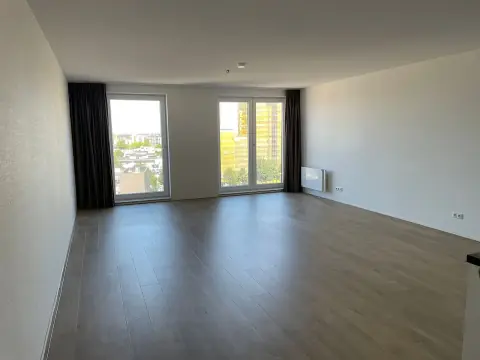
€1,159.00 / month
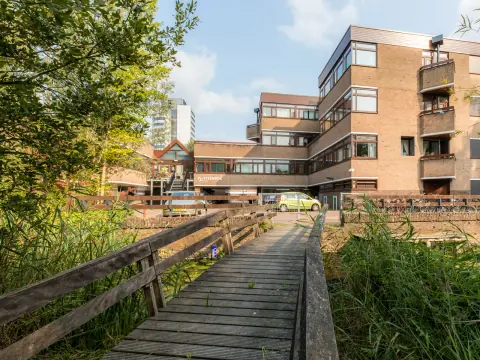
€600.00 / month
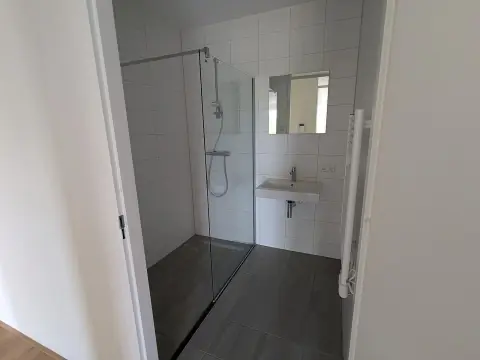
€932.00 / month
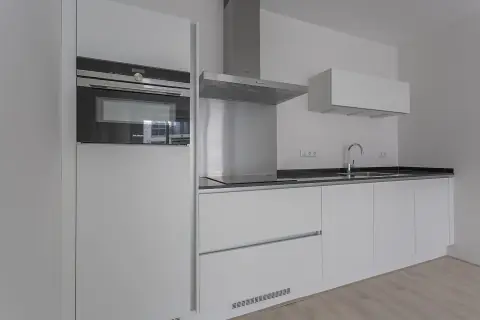
€1,187.00 / month
€1,845.00 / month
€933.00 / month
€1,899.00 / month
€765.00 / month
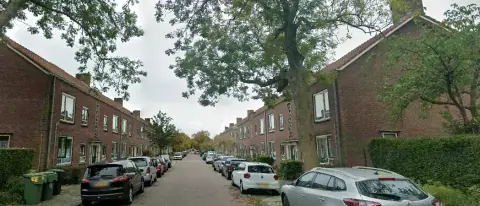
€714.00 / month
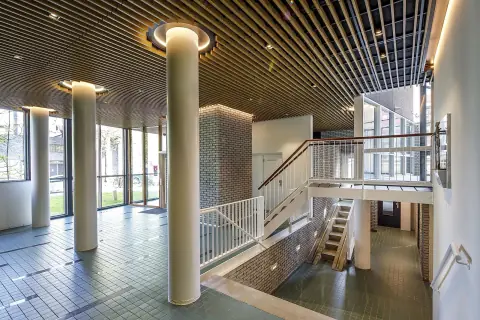
€1,596.00 / month
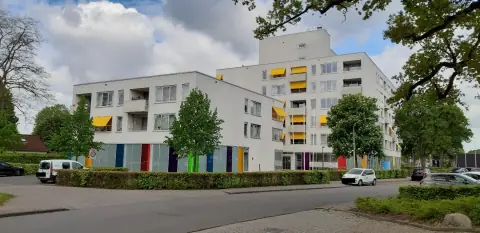
€714.00 / month
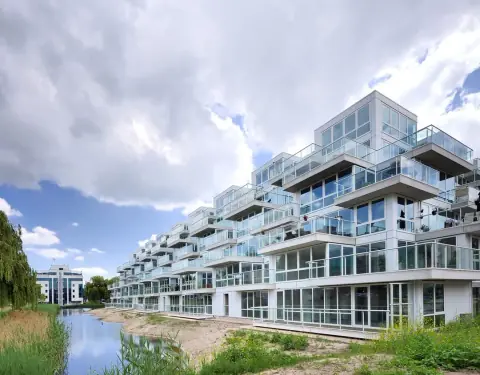
€1,210.00 / month
Luntero brings represented apartments, rooms, studios and houses from Dutch rental sources into one searchable place. Use the available filters to narrow your options, then check the original listing for current availability, price, conditions and application steps.
Browse rental listings collected from Funda, Pararius, Kamernet and other supported sources in one place. Coverage is broad but not exhaustive, and the original listing remains authoritative.
Navigate our clean and straightforward design effortlessly on both desktop and mobile devices for a seamless apartment, house, or room hunting experience in the Netherlands.
Browse rental listings in English, Dutch, Spanish, French, German, and more. Luntero ensures you can find your next home in the Netherlands in the language you're most comfortable with.
Luntero refreshes collected listings regularly and search alerts email new matches after a successful check. A source can change between refreshes, so verify decisive details there.