The timeframe after which a rental application or a position on a waiting list is no longer considered valid, a key concept in the social housing system.
Dutch Housing System
Community Housing Fund

Fonds voor sociale woningbouw
There is no single 'Community Housing Fund' in the Netherlands; the concept is fulfilled by the social investment activities of housing corporations and municipalities.
Table of Contents
Table of Contents
Related terms
More terms from Dutch Housing System
Terms from the same part of the rental process, so you can read them together instead of looking each one up separately.
There is no direct 'BENG subsidy'; BENG is a mandatory energy performance standard for all new buildings, not a subsidized option.
The 'Bouwbesluit 2012' is the national building code of the Netherlands, setting the minimum legal standards for safety, health, and usability that all rental properties must meet.
Capital gains relief on housing means that any profit made from selling your primary residence in the Netherlands is completely tax-free.
A housing model where residents collectively own and manage their own properties, a niche sector in the Netherlands that receives some government support for its creation.
The term 'corporatiebelang' refers to the collective public and social interests that a Dutch housing corporation is legally mandated to serve.
Review Community Housing Fund Through Eligibility Rules, Document Wording, and Plain-Language Meaning
A complete reading of Community Housing Fund connects exceptions, authority, and related terms. Continue into the full entry and related definitions before relying on the term in practice.
More about Dutch Housing System
Every glossary entry that belongs to Dutch Housing System, collected on one page.
See TermsSearch the glossary
Look up a term, abbreviation or contract phrase and get a plain-language explanation with Dutch and English wording.
Search termsRenting guides
Longer guides that walk through applications, contracts, costs and moving, with the terminology used in context.
Read the guidesNewest Properties in the Netherlands
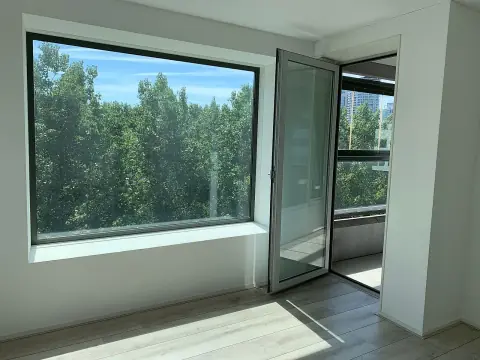
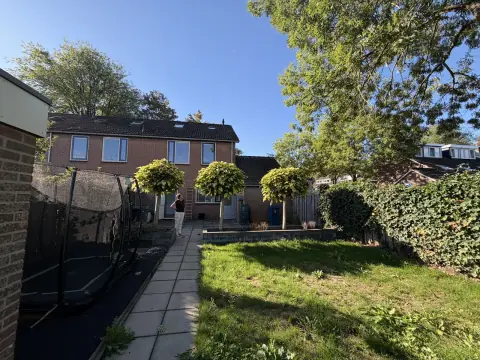
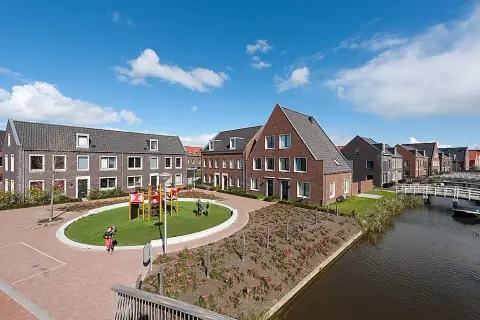
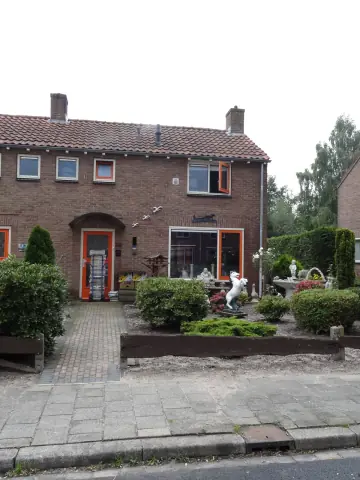
Explore the latest properties added to Luntero. Find new apartments, houses, and studios across the Netherlands — updated daily to help you discover your next home faster.
Why Luntero
One Workspace for Your Dutch Rental Search
Luntero brings represented apartments, rooms, studios and houses from Dutch rental sources into one searchable place. Use the available filters to narrow your options, then check the original listing for current availability, price, conditions and application steps.
Listings From Many Dutch Sources
Browse rental listings collected from Funda, Pararius, Kamernet and other supported sources in one place. Coverage is broad but not exhaustive, and the original listing remains authoritative.
Intuitive User-Friendly Interface
Navigate our clean and straightforward design effortlessly on both desktop and mobile devices for a seamless apartment, house, or room hunting experience in the Netherlands.
Multilingual Support for Expats & Locals
Browse rental listings in English, Dutch, Spanish, French, German, and more. Luntero ensures you can find your next home in the Netherlands in the language you're most comfortable with.
Regular Listing Refreshes
Luntero refreshes collected listings regularly and search alerts email new matches after a successful check. A source can change between refreshes, so verify decisive details there.