The timeframe after which a rental application or a position on a waiting list is no longer considered valid, a key concept in the social housing system.
Wooncoöperatie
A housing cooperative, or wooncoöperatie, is a legal entity where residents collectively own and manage their own building, offering a non-profit alternative to traditional renting or buying.
Terms from the same part of the rental process, so you can read them together instead of looking each one up separately.
The timeframe after which a rental application or a position on a waiting list is no longer considered valid, a key concept in the social housing system.
There is no direct 'BENG subsidy'; BENG is a mandatory energy performance standard for all new buildings, not a subsidized option.
The 'Bouwbesluit 2012' is the national building code of the Netherlands, setting the minimum legal standards for safety, health, and usability that all rental properties must meet.
Capital gains relief on housing means that any profit made from selling your primary residence in the Netherlands is completely tax-free.
There is no single 'Community Housing Fund' in the Netherlands; the concept is fulfilled by the social investment activities of housing corporations and municipalities.
A housing model where residents collectively own and manage their own properties, a niche sector in the Netherlands that receives some government support for its creation.
Connect Housing Cooperative (Wooncooperatie) with exceptions and meaning, then use costs to identify the appropriate follow-up source.
Every glossary entry that belongs to Dutch Housing System, collected on one page.
See TermsLook up a term, abbreviation or contract phrase and get a plain-language explanation with Dutch and English wording.
Search termsLonger guides that walk through applications, contracts, costs and moving, with the terminology used in context.
Read the guidesExplore the latest properties added to Luntero. Find new apartments, houses, and studios across the Netherlands — updated daily to help you discover your next home faster.
Luntero brings represented apartments, rooms, studios and houses from Dutch rental sources into one searchable place. Use the available filters to narrow your options, then check the original listing for current availability, price, conditions and application steps.
Browse rental listings collected from Funda, Pararius, Kamernet and other supported sources in one place. Coverage is broad but not exhaustive, and the original listing remains authoritative.
Navigate our clean and straightforward design effortlessly on both desktop and mobile devices for a seamless apartment, house, or room hunting experience in the Netherlands.
Browse rental listings in English, Dutch, Spanish, French, German, and more. Luntero ensures you can find your next home in the Netherlands in the language you're most comfortable with.
Luntero refreshes collected listings regularly and search alerts email new matches after a successful check. A source can change between refreshes, so verify decisive details there.
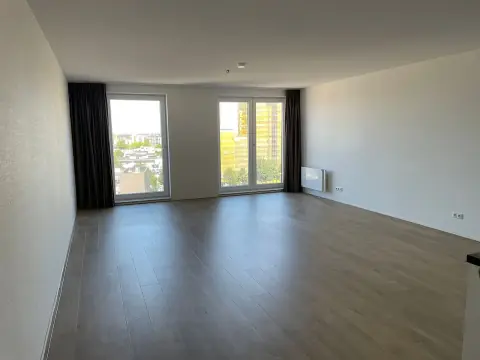
A housing cooperative (wooncoöperatie) is a radical departure from the standard landlord-tenant dynamic. It is a form of collective living where the residents of a building are also its collective owners and managers. In this model, a legal association (the cooperative) owns the property. The residents are not tenants in the traditional sense; they are members of this association. Instead of paying 'rent' to a landlord who seeks to make a profit, members pay a monthly 'contribution' or 'fee' to the cooperative. This fee is calculated to cover the building's actual costs—the mortgage payments, property taxes, maintenance, insurance, and contributions to a long-term savings fund for major repairs. The goal is not profit, but to provide stable, affordable, and democratically controlled housing for its members.
The cooperative is managed by the members themselves through a board and general meetings, where decisions about the building's budget, maintenance, and house rules are made collectively. This offers a level of control and autonomy that is completely absent in a traditional rental situation. The model is built on principles of shared responsibility and community, aiming to create a more permanent and engaged group of residents than the transient populations often found in the private rental market. It is a system designed to decommodify housing, treating it as a shared resource rather than a speculative asset.
While housing cooperatives are a well-established part of the housing market in countries like Germany and Switzerland, they represent a relatively small but growing niche in the Netherlands. Historically, the Dutch system relied heavily on large, non-profit housing corporations (woningcorporaties) to provide affordable housing. However, there is a growing interest in the more grassroots, resident-led cooperative model. New cooperatives are being formed in several ways: some are new-build projects initiated by groups of aspiring residents, while others are formed by tenants of a social housing block who collectively buy their building from a housing corporation.
The government has shown some support for this movement, recognizing its potential to create stable communities and provide an alternative to the overheated private market. However, establishing a new cooperative is a complex and arduous process. It requires organizing a group, forming a legal association, creating a viable business plan, and, most challengingly, securing financing for a multi-million euro property purchase or construction project. It is not a solution that an individual renter can simply opt into; it requires a deep, long-term commitment to a collective project.
For the average person searching for a home on Luntero, the housing cooperative model is, for the most part, an aspirational concept rather than a practical, immediate option. The number of cooperative housing units is tiny compared to the traditional rental stock, and vacancies are rare. When a spot does become available in an existing cooperative, it is not advertised on public platforms. Instead, the existing members select a new member from a waiting list or through their own internal network. The selection process is often as much about social fit and commitment to the community's ideals as it is about financial stability.
Furthermore, becoming a member typically requires a financial buy-in. This is not a security deposit; it is an investment in the cooperative's collective capital, which can range from a few thousand to tens of thousands of euros. While this investment is usually returned (often with some appreciation) when a member leaves, it presents a significant barrier to entry. In short, a housing cooperative is not something you 'find'; it is something you 'join'. It represents a profound shift from being a passive consumer of housing to an active participant in a shared, democratic living arrangement. While it offers a powerful solution to the problems of the private rental market, it remains an inaccessible dream for the vast majority of renters.

€1,159.00 / month

€600.00 / month

€932.00 / month

€1,187.00 / month

€1,845.00 / month

€933.00 / month

€1,899.00 / month

€765.00 / month

€714.00 / month

€1,596.00 / month

€714.00 / month

€1,210.00 / month