
Accessibility Compliance
The legal standards for accessibility in residential buildings, which are primarily enforced for new constructions and major renovations.

Gevaarlijke Stoffen
While there's no specific 'lead-based paint disclosure' like in the US, Dutch landlords have a general duty to ensure a property is safe from hazardous materials like asbestos and lead.
In the United States, federal law requires landlords of properties built before 1978 to provide tenants with a specific 'lead-based paint disclosure' form. This specific disclosure requirement does not exist in the Netherlands. Instead, the responsibility for protecting tenants from hazardous materials falls under the landlord's general, overarching duty to provide a safe, healthy, and well-maintained property. The presence of dangerous levels of substances like asbestos or lead is considered a serious 'defect' (gebrek), which the landlord is obligated to remedy.
Asbest)Asbestos is the most well-known historical hazardous material in Dutch housing, widely used in construction from the post-war period until it was banned. It can be found in insulation, floor tiles, cement sheeting, and other materials.
The critical distinction is between hechtgebonden (bonded) and niet-hechtgebonden (friable) asbestos. Bonded asbestos that is intact and undisturbed is generally not considered an immediate risk. However, the presence of friable (easily crumbled) asbestos, or damaged bonded asbestos that can release fibers into the air, is a very serious defect. If a tenant discovers or suspects this, the landlord has a duty to have it professionally investigated and, if necessary, removed by a certified company (sanering). Knowingly renting out a property with a known friable asbestos risk is a severe breach of the landlord's duty of care.
Lood)While lead-based paint was used in the Netherlands, the more pressing contemporary concern is the presence of old lead water pipes (loden leidingen) in buildings constructed before 1960. These pipes can leach lead into the drinking water, posing a significant health risk, especially to young children and pregnant women.
Since late 2022, the legal limit for lead in drinking water is 5 micrograms per liter. If a water test shows a higher concentration, the presence of lead pipes is considered a serious defect. The tenant has the right to demand that the landlord replace them. Landlords are obligated to act, and tenants can go to the Huurcommissie or court to enforce this. Similarly, old, flaking lead paint that could be ingested by a child would also be considered a defect that the landlord must address.
Even without a specific disclosure form, a landlord who knows, or should reasonably know, about the presence of hazardous materials has a duty to inform potential tenants and to take action. Hiding a known risk, like the presence of lead pipes, can lead to significant liability for the landlord. Tenants have the right to request information and, if there are reasonable suspicions, to demand an investigation from the landlord.
Table of Contents
Terms from the same part of the rental process, so you can read them together instead of looking each one up separately.
The legal standards for accessibility in residential buildings, which are primarily enforced for new constructions and major renovations.
Balcony safety compliance refers to the legal requirement for balconies and railings to meet specific structural and safety standards.
No subsidy exists for basement waterproofing; a damp or leaking basement is a maintenance defect that the landlord is legally required to fix at their own cost.
The essential regular servicing of the central heating boiler, a legal responsibility of the landlord to ensure safety and efficiency.
Building code compliance is the landlord's duty to provide a property that meets the national technical standards for safety, health, and usability set out in the 'Bouwbesluit'.
An insurance policy that covers the physical structure of the property, which is the landlord's responsibility.
The Hazardous Materials (Asbestos Lead) entry is most useful when the explanation connects exceptions with meaning and case context.
Every glossary entry that belongs to Landlord Obligations, collected on one page.
See TermsLook up a term, abbreviation or contract phrase and get a plain-language explanation with Dutch and English wording.
Search termsLonger guides that walk through applications, contracts, costs and moving, with the terminology used in context.
Read the guidesExplore the latest properties added to Luntero. Find new apartments, houses, and studios across the Netherlands — updated daily to help you discover your next home faster.
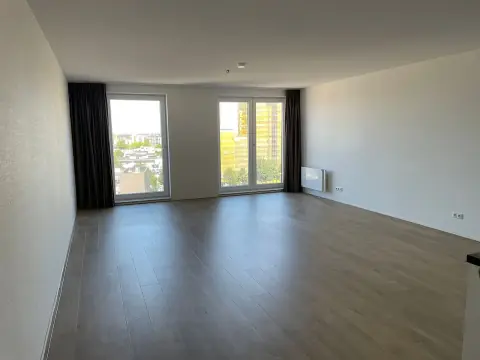
€1,159.00 / month
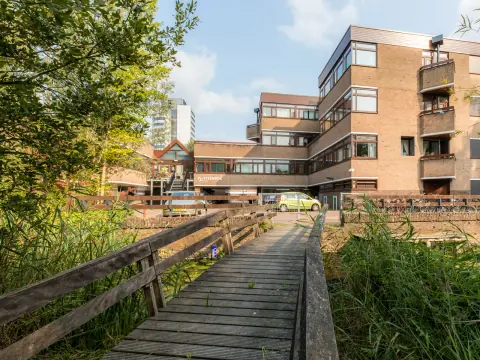
€600.00 / month
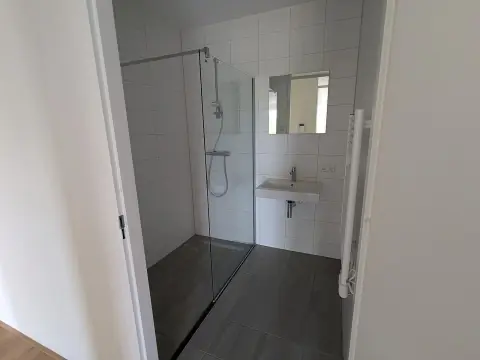
€932.00 / month
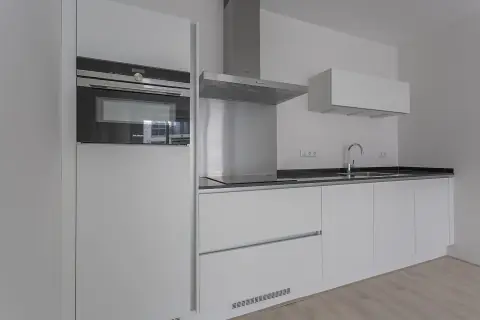
€1,187.00 / month
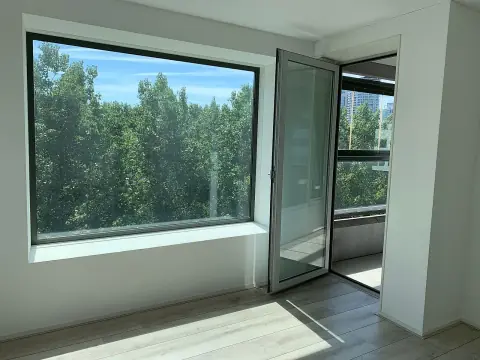
€1,845.00 / month
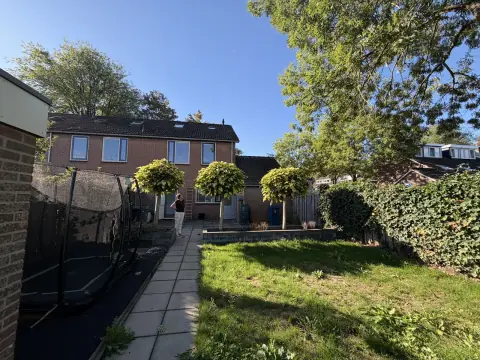
€933.00 / month
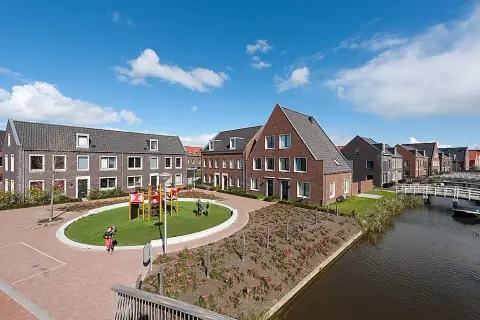
€1,899.00 / month
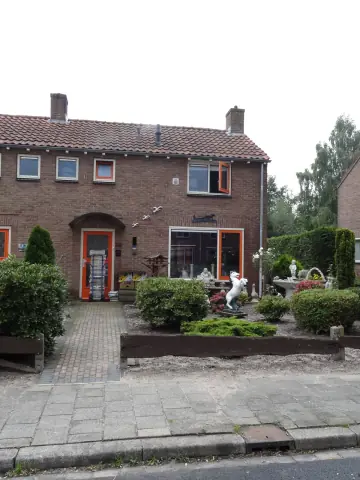
€765.00 / month
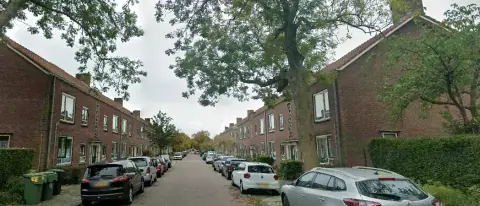
€714.00 / month
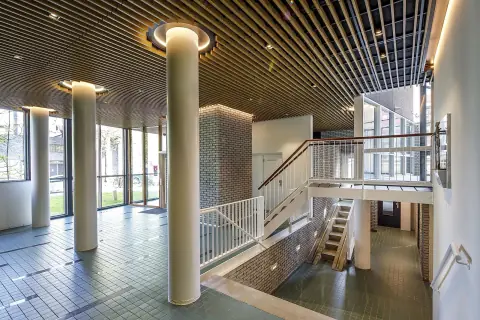
€1,596.00 / month
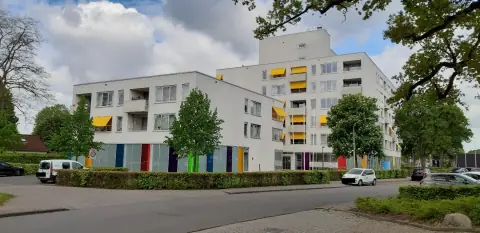
€714.00 / month
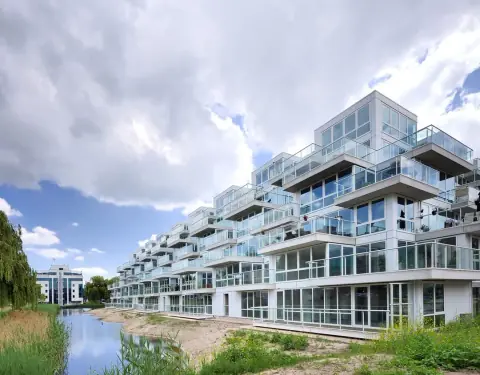
€1,210.00 / month
Luntero brings represented apartments, rooms, studios and houses from Dutch rental sources into one searchable place. Use the available filters to narrow your options, then check the original listing for current availability, price, conditions and application steps.
Browse rental listings collected from Funda, Pararius, Kamernet and other supported sources in one place. Coverage is broad but not exhaustive, and the original listing remains authoritative.
Navigate our clean and straightforward design effortlessly on both desktop and mobile devices for a seamless apartment, house, or room hunting experience in the Netherlands.
Browse rental listings in English, Dutch, Spanish, French, German, and more. Luntero ensures you can find your next home in the Netherlands in the language you're most comfortable with.
Luntero refreshes collected listings regularly and search alerts email new matches after a successful check. A source can change between refreshes, so verify decisive details there.