
Accessibility Compliance
The legal standards for accessibility in residential buildings, which are primarily enforced for new constructions and major renovations.

Opleveringsrapport
The final inspection document created at the end of a tenancy to assess the property's condition upon the tenant's departure.
The opleveringsrapport, or handover report, is the bookend to the initial inspectierapport. It is created during the final inspection (eindinspectie) when the tenant is returning the keys and officially vacating the property. The purpose of this inspection is to compare the property's current state to the condition documented in the initial check-in report. This direct comparison is the basis for determining whether the tenant has fulfilled their primary obligation: to return the property in the same condition as they received it, accounting for what the law vaguely terms 'normal wear and tear' (normale slijtage). The opleveringsrapport meticulously lists any changes, damages, or discrepancies found during this final walkthrough. It is the single most critical piece of evidence used to justify any deductions from the tenant's security deposit.
Ideally, the final inspection is conducted with both the landlord (or agent) and the departing tenant present. This allows for immediate discussion and clarification. If the landlord points out a 'damage' that the tenant believes is normal wear and tear, it can be debated on the spot. For example, a few scuff marks on a wall after a two-year tenancy would likely be considered wear and tear, whereas a large hole in the wall would not. The opleveringsrapport should be signed by both parties, but a tenant should never sign a report they disagree with. If there is a dispute, the tenant can add their own comments to the report before signing or refuse to sign altogether and document their objections in a follow-up email. Signing a report that lists unsubstantiated 'damages' can be interpreted as an admission of guilt, making it much harder to contest deposit deductions later on.
Dutch rental law encourages a two-stage handover process to prevent surprises and give the tenant a fair chance to make amends. The first stage is the pre-inspection (voorinspectie), which should take place a week or two before the final moving date. During this walkthrough, the landlord points out everything they believe needs to be repaired, cleaned, or changed for the property to be considered acceptable. They must provide the tenant with a written list of these points. This gives the tenant the opportunity to perform the repairs themselves, which is almost always cheaper than having the landlord hire contractors and deduct the inflated costs from the deposit. This pre-inspection is a tenant's right; a landlord who skips this step and surprises the tenant with a long list of expensive issues during the final inspection is acting in bad faith and will have a weaker legal position.
The second stage is the final inspection (eindinspectie), which happens on the last day of the lease. This is when the opleveringsrapport is formally drawn up. The landlord checks if the points from the pre-inspection have been resolved. New issues cannot typically be added unless they were previously hidden (e.g., behind a large cabinet that has since been moved). At this point, the property should be empty, clean, and ready for the next occupant. Meter readings are taken again, and the keys are handed over. The final, signed opleveringsrapport then becomes the basis for the deposit settlement. If the landlord fails to conduct a proper, comparative inspection and create a detailed report, their claim to any part of the deposit for damages is legally very weak.
Table of Contents
Terms from the same part of the rental process, so you can read them together instead of looking each one up separately.
The legal standards for accessibility in residential buildings, which are primarily enforced for new constructions and major renovations.
Balcony safety compliance refers to the legal requirement for balconies and railings to meet specific structural and safety standards.
No subsidy exists for basement waterproofing; a damp or leaking basement is a maintenance defect that the landlord is legally required to fix at their own cost.
The essential regular servicing of the central heating boiler, a legal responsibility of the landlord to ensure safety and efficiency.
Building code compliance is the landlord's duty to provide a property that meets the national technical standards for safety, health, and usability set out in the 'Bouwbesluit'.
An insurance policy that covers the physical structure of the property, which is the landlord's responsibility.
The practical relevance of Handover Report becomes clearer when exceptions, meaning, and case context are separated.
Every glossary entry that belongs to Landlord Obligations, collected on one page.
See TermsLook up a term, abbreviation or contract phrase and get a plain-language explanation with Dutch and English wording.
Search termsLonger guides that walk through applications, contracts, costs and moving, with the terminology used in context.
Read the guidesExplore the latest properties added to Luntero. Find new apartments, houses, and studios across the Netherlands — updated daily to help you discover your next home faster.
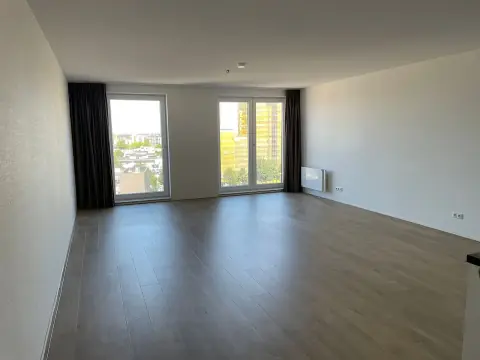
€1,159.00 / month
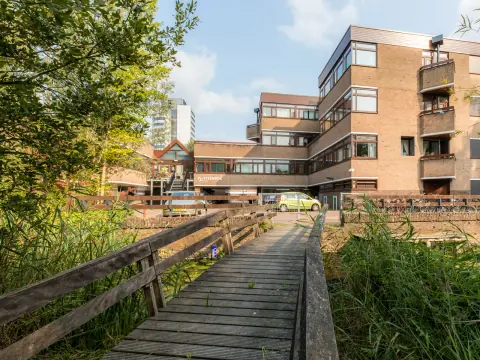
€600.00 / month
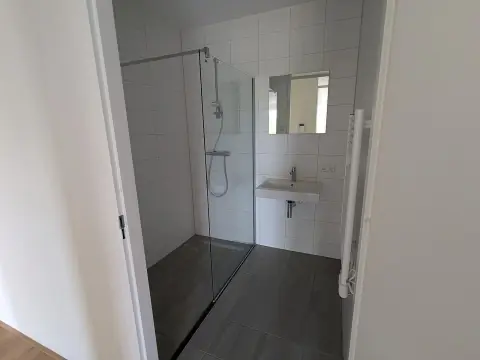
€932.00 / month
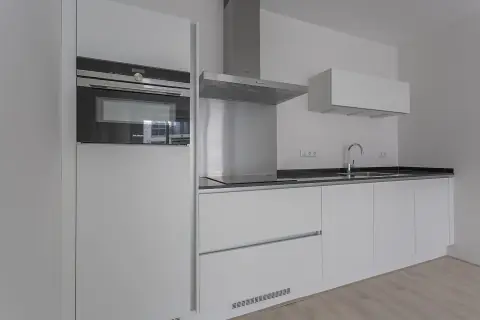
€1,187.00 / month
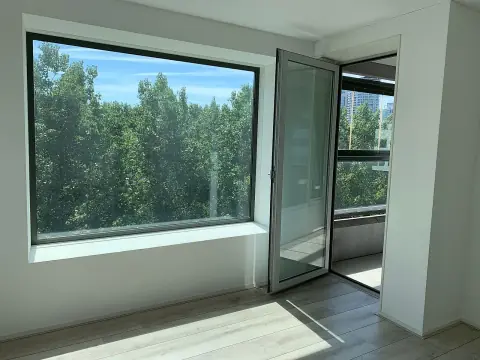
€1,845.00 / month
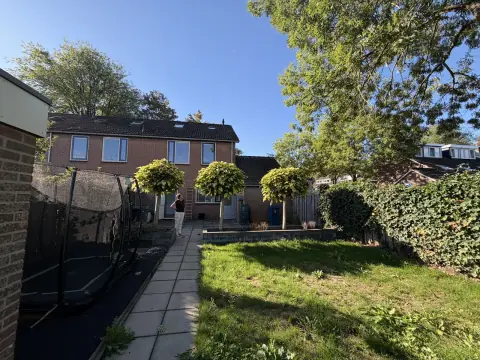
€933.00 / month
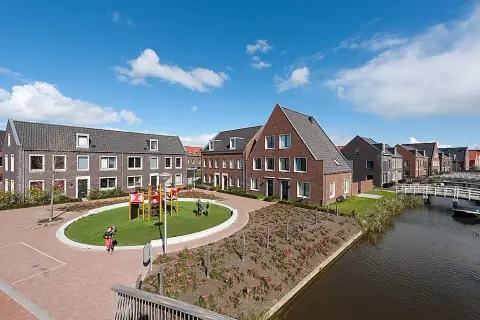
€1,899.00 / month
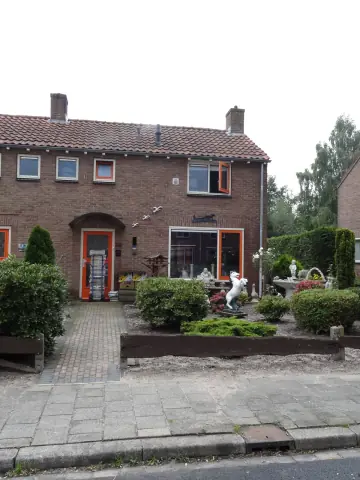
€765.00 / month
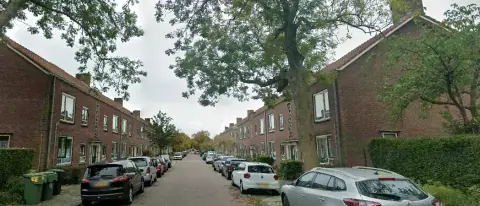
€714.00 / month
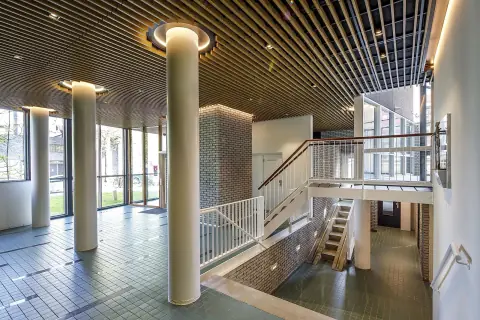
€1,596.00 / month
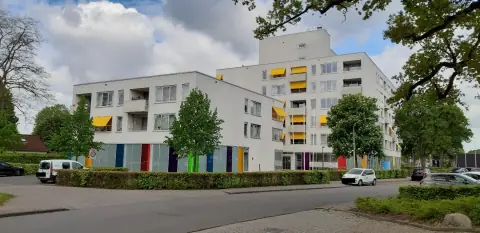
€714.00 / month
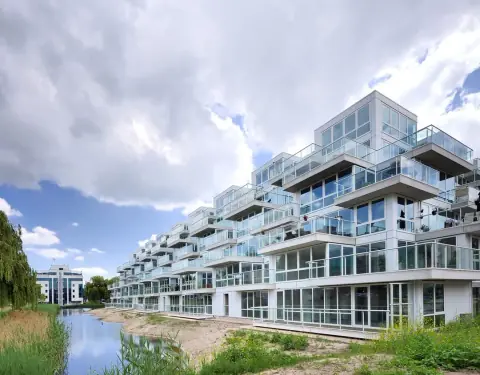
€1,210.00 / month
Luntero brings represented apartments, rooms, studios and houses from Dutch rental sources into one searchable place. Use the available filters to narrow your options, then check the original listing for current availability, price, conditions and application steps.
Browse rental listings collected from Funda, Pararius, Kamernet and other supported sources in one place. Coverage is broad but not exhaustive, and the original listing remains authoritative.
Navigate our clean and straightforward design effortlessly on both desktop and mobile devices for a seamless apartment, house, or room hunting experience in the Netherlands.
Browse rental listings in English, Dutch, Spanish, French, German, and more. Luntero ensures you can find your next home in the Netherlands in the language you're most comfortable with.
Luntero refreshes collected listings regularly and search alerts email new matches after a successful check. A source can change between refreshes, so verify decisive details there.