
Accessibility Compliance
The legal standards for accessibility in residential buildings, which are primarily enforced for new constructions and major renovations.

Liftonderhoud
Elevator maintenance is the legally mandated regular inspection, testing, and repair of lifts to ensure they are safe and operational.
In any multi-story building with an elevator, the responsibility for its maintenance, safety, and certification falls entirely on the building owner—the landlord or the Vereniging van Eigenaars (VvE). This is one of the most strictly regulated areas of property management in the Netherlands, and for good reason. Elevator failure can lead to serious injury or death, so the legal framework leaves no room for ambiguity. The core of this regulation is the Warenwetbesluit liften (Lifts Commodities Act Decree). This law mandates that every elevator must undergo a periodic safety inspection (liftkeuring) by an accredited, independent certifying body (Aangewezen Keuringsinstantie). The frequency of these inspections is typically every 18 months. During the inspection, dozens of safety components are checked, from the cables and braking systems to the door sensors and emergency communication device. Upon successful inspection, a certificate is issued and a sticker is placed inside the elevator car, clearly stating the date of the inspection and its expiry. A landlord cannot legally operate an elevator that has not passed its periodic inspection. This is not an area where corners can be cut, and the penalties for non-compliance are severe. The costs for these inspections and any required maintenance are entirely borne by the owner; they cannot be passed on directly to tenants as a separate service charge, but are considered part of the building's overall operating costs.
While the inspection regime ensures a high baseline of safety, it does not guarantee 100% uptime. Elevators, especially older models, can and do break down. When an elevator is out of service, it can range from a minor inconvenience to a major crisis, particularly for residents who are elderly, have disabilities, or live with small children on upper floors. A non-functioning elevator can effectively trap them in their homes. In this situation, tenants have clear rights. The landlord has an obligation to repair the elevator with reasonable urgency. While 'reasonable' is not defined in days and hours, a prolonged outage of several days or weeks is generally considered unacceptable. If an elevator is out of service for an extended period, tenants can take action. They have the right to demand a temporary rent reduction through the Huurcommissie (Rent Tribunal). The Huurcommissie considers a functioning elevator an essential feature of the property (especially for apartments above the second floor), and its absence constitutes a 'serious defect' (ernstig gebrek) that justifies a reduction in rent, which can be as much as 40-60% of the base rent for the duration of the outage. The credible threat of multiple tenants filing for such a reduction is often a powerful motivator for a landlord to expedite repairs.
As a tenant in a building with an elevator, there are several things you should be aware of. First, always check for the inspection sticker inside the elevator car. Make a note of the expiry date. If you notice the date has passed, it means the elevator is operating without a valid certificate, which is a serious violation. Report this immediately to the landlord/VvE and, if they do not act, to the Nederlandse Voedsel- en Warenautoriteit (NVWA), the government body that oversees elevator safety. Second, pay attention to the elevator's performance. Does it frequently make strange noises, jolt, or stop between floors? Do the doors fail to open or close properly? These are signs of impending failure. Report any such issues to your landlord immediately in writing. Do not assume someone else has already reported it. A written record is important. Third, check that the emergency button and communication system inside the elevator are functional. In the event you get trapped, this is your lifeline. If the elevator breaks down and remains out of service, tenants should coordinate. A collective complaint from multiple residents carries far more weight than an individual one. By being vigilant and understanding your rights, you can help ensure this critical piece of infrastructure is kept safe and reliable.
Table of Contents
Terms from the same part of the rental process, so you can read them together instead of looking each one up separately.
The legal standards for accessibility in residential buildings, which are primarily enforced for new constructions and major renovations.
Balcony safety compliance refers to the legal requirement for balconies and railings to meet specific structural and safety standards.
No subsidy exists for basement waterproofing; a damp or leaking basement is a maintenance defect that the landlord is legally required to fix at their own cost.
The essential regular servicing of the central heating boiler, a legal responsibility of the landlord to ensure safety and efficiency.
Building code compliance is the landlord's duty to provide a property that meets the national technical standards for safety, health, and usability set out in the 'Bouwbesluit'.
An insurance policy that covers the physical structure of the property, which is the landlord's responsibility.
A complete reading of Elevator Maintenance connects exceptions, case context, and costs. Compare Elevator Maintenance with nearby landlord obligations concepts to avoid confusing similar terms, then use current official guidance or qualified advice when the distinction affects a real decision.
Every glossary entry that belongs to Landlord Obligations, collected on one page.
See TermsLook up a term, abbreviation or contract phrase and get a plain-language explanation with Dutch and English wording.
Search termsLonger guides that walk through applications, contracts, costs and moving, with the terminology used in context.
Read the guidesExplore the latest properties added to Luntero. Find new apartments, houses, and studios across the Netherlands — updated daily to help you discover your next home faster.
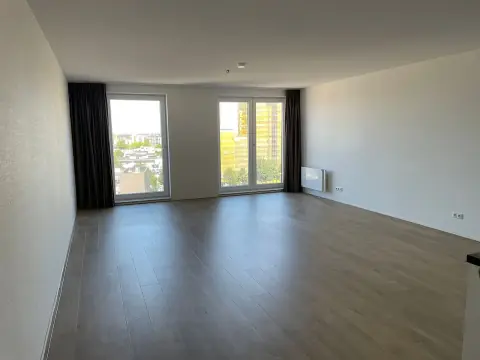
€1,159.00 / month
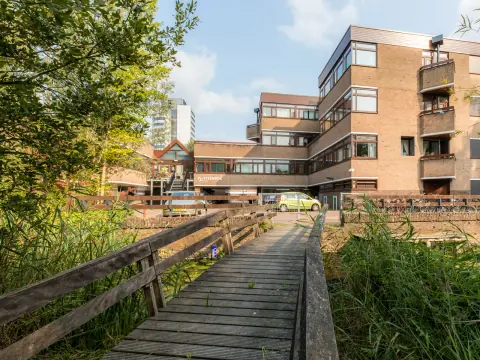
€600.00 / month
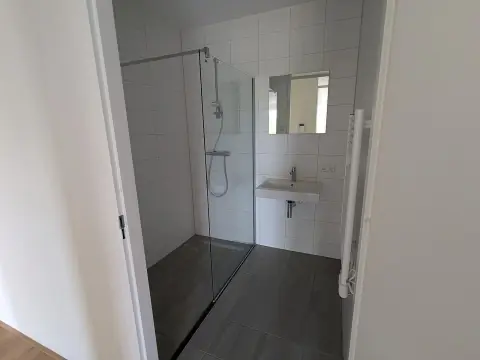
€932.00 / month
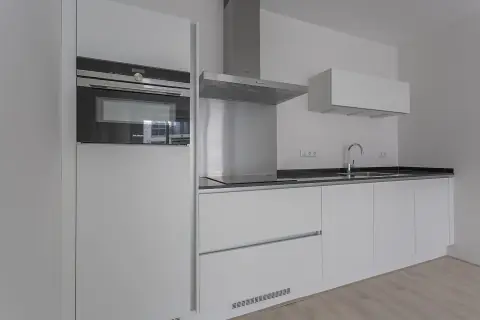
€1,187.00 / month
€1,845.00 / month
€933.00 / month
€1,899.00 / month
€765.00 / month
€714.00 / month
€1,596.00 / month
€714.00 / month
€1,210.00 / month
Luntero brings represented apartments, rooms, studios and houses from Dutch rental sources into one searchable place. Use the available filters to narrow your options, then check the original listing for current availability, price, conditions and application steps.
Browse rental listings collected from Funda, Pararius, Kamernet and other supported sources in one place. Coverage is broad but not exhaustive, and the original listing remains authoritative.
Navigate our clean and straightforward design effortlessly on both desktop and mobile devices for a seamless apartment, house, or room hunting experience in the Netherlands.
Browse rental listings in English, Dutch, Spanish, French, German, and more. Luntero ensures you can find your next home in the Netherlands in the language you're most comfortable with.
Luntero refreshes collected listings regularly and search alerts email new matches after a successful check. A source can change between refreshes, so verify decisive details there.