
Administration Costs
A fee charged for administrative actions, which is almost always illegal when levied on a tenant by a landlord's agent.

Sleutelgeld
'Key deposit' or 'sleutelgeld' is an illegal, non-refundable fee that landlords or agents are forbidden from charging tenants in the Netherlands.
In the Netherlands, the term 'key deposit' is most commonly associated with sleutelgeld (literally 'key money'), and it is crucial for every tenant to know that this practice is strictly illegal. Sleutelgeld is a one-time, non-refundable sum of money demanded by a landlord, property manager, or previous tenant simply for the act of handing over the keys to a rental property. It is not a security deposit (borg) for damages; it is an unjust fee charged for nothing more than the 'goodwill' of allowing you to rent the apartment. Dutch law is unequivocal on this point: charging sleutelgeld is prohibited. It is considered an 'unreasonable advantage' and is legally unenforceable. No tenant is ever legally obligated to pay it.
It is vital to distinguish sleutelgeld from a legitimate security deposit (borg). Security Deposit (Borg): This is a refundable sum of money paid at the start of the tenancy to cover any potential damages to the property caused by the tenant. The amount is legally capped (typically at 1 or 2 months' basic rent), and it must be refunded at the end of the tenancy, minus any legitimate, documented costs for repairs. Key Money (Sleutelgeld): This is a non-refundable, under-the-table fee demanded just to get the keys. It offers no security and is not linked to any service or potential damage. It is, in effect, a bribe. Some unscrupulous landlords may try to disguise sleutelgeld by calling it a very high, non-refundable 'administration fee' or 'contract fee', which is also illegal.
The difficulty for tenants is that in a tight housing market, they may feel pressured to pay sleutelgeld to secure a much-needed home. If you are in this position, here is the recommended course of action: 1. Do not pay in cash. Always pay via a bank transfer that can be traced. 2. Use a clear description. In the payment description of the bank transfer, explicitly write "Sleutelgeld [your new address]". This creates irrefutable proof of what the payment was for. 3. Secure your tenancy. Sign the contract and get the keys. 4. Reclaim your money. Once you are living in the property, you can start legal proceedings to reclaim the sleutelgeld. Because it is an illegal fee, you have a very strong legal position, and courts will almost always order the landlord to refund the full amount. You can seek help from the Juridisch Loket (Legal Desk) or the Huurcommissie (Rent Tribunal) to start this process.
Table of Contents
Terms from the same part of the rental process, so you can read them together instead of looking each one up separately.
A fee charged for administrative actions, which is almost always illegal when levied on a tenant by a landlord's agent.
An administrative fee, often called 'contractkosten' or a lease initiation fee, is a charge for drawing up the rental agreement, the legality of which is highly questionable.
'Leges' are administrative fees charged by government bodies for providing a specific service or processing an application.
An agency fee, also known as a broker fee or 'courtage', is a charge for real estate brokerage services which, by law, cannot be charged to a tenant if the agent is working for the landlord.
An alarm system fee is a recurring cost for professional monitoring, and responsibility for payment depends on what is agreed in the rental contract.
Paying residential rent annually is not a standard practice in the Netherlands; the law and market are based on monthly payments.
Before relying on Key Deposit, distinguish exceptions from meaning and related terms. Use Key Deposit as the starting term, then browse its rental costs subject or search the exact related phrase before relying on it in a housing, rental, financial, contractual, or legal decision.
Every glossary entry that belongs to Rental Costs, collected on one page.
See TermsLook up a term, abbreviation or contract phrase and get a plain-language explanation with Dutch and English wording.
Search termsLonger guides that walk through applications, contracts, costs and moving, with the terminology used in context.
Read the guidesExplore the latest properties added to Luntero. Find new apartments, houses, and studios across the Netherlands — updated daily to help you discover your next home faster.
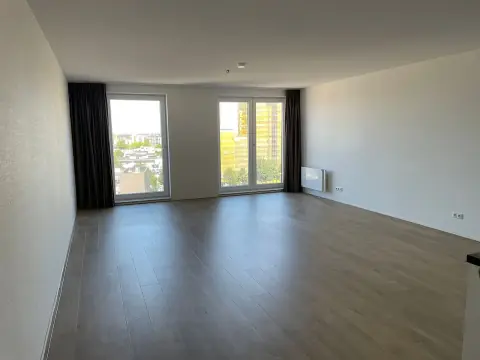
€1,159.00 / month

€600.00 / month
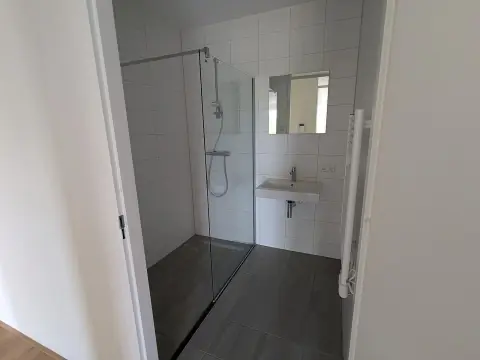
€932.00 / month
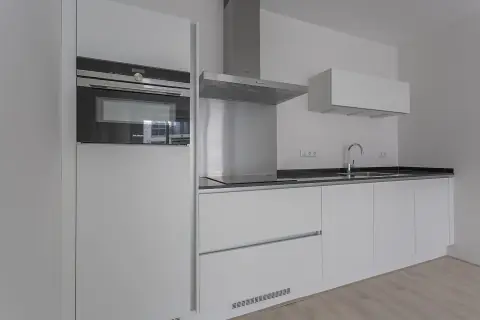
€1,187.00 / month
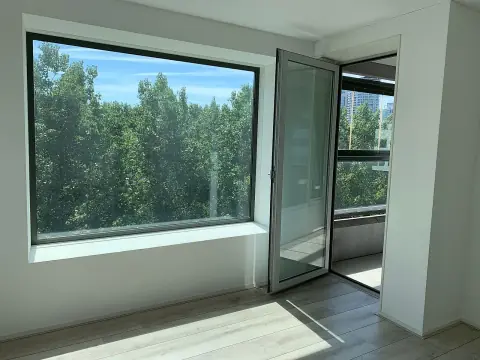
€1,845.00 / month
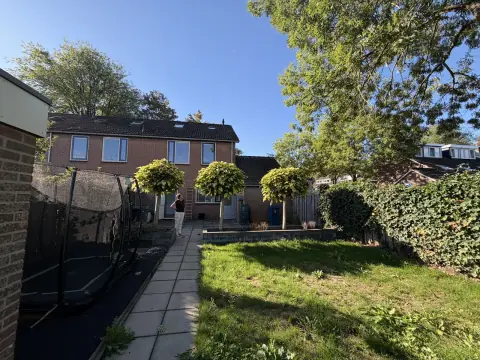
€933.00 / month

€1,899.00 / month
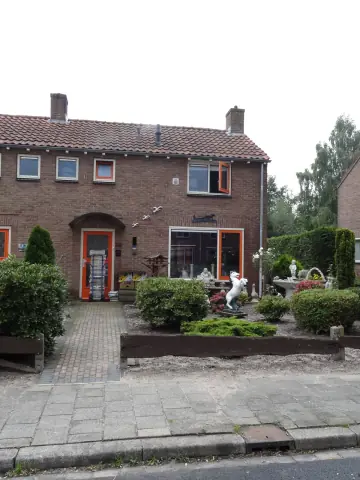
€765.00 / month
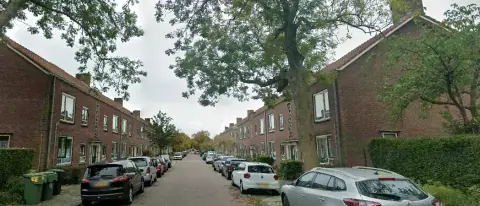
€714.00 / month

€1,596.00 / month
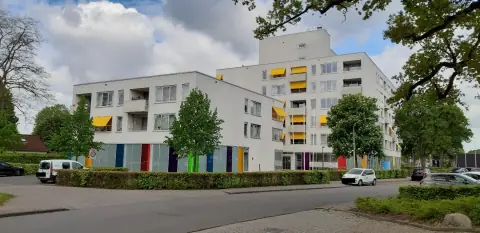
€714.00 / month

€1,210.00 / month
Luntero brings represented apartments, rooms, studios and houses from Dutch rental sources into one searchable place. Use the available filters to narrow your options, then check the original listing for current availability, price, conditions and application steps.
Browse rental listings collected from Funda, Pararius, Kamernet and other supported sources in one place. Coverage is broad but not exhaustive, and the original listing remains authoritative.
Navigate our clean and straightforward design effortlessly on both desktop and mobile devices for a seamless apartment, house, or room hunting experience in the Netherlands.
Browse rental listings in English, Dutch, Spanish, French, German, and more. Luntero ensures you can find your next home in the Netherlands in the language you're most comfortable with.
Luntero refreshes collected listings regularly and search alerts email new matches after a successful check. A source can change between refreshes, so verify decisive details there.