
Accessibility Compliance
The legal standards for accessibility in residential buildings, which are primarily enforced for new constructions and major renovations.

spoedonderhoud
Emergency maintenance refers to urgent repairs required to address immediate threats to safety, health, or the structural integrity of the property.
It is crucial to distinguish between a problem that is merely inconvenient and one that constitutes a genuine emergency (spoedgeval). An emergency is a situation that requires immediate action to prevent further damage or to address a direct threat to your health and safety. A landlord's duty to respond to these situations is immediate and operates 24/7. While a broken dishwasher or a running toilet is an annoyance that requires a timely repair, it is not an emergency that justifies a midnight phone call. True emergencies typically fall into one of these categories:
Understanding this distinction is key. Reporting a non-emergency as an emergency can damage your credibility with your landlord or property manager and may even result in you being charged for the unnecessary call-out fee of an emergency tradesperson.
Your rental agreement or the information provided by your landlord should contain a specific emergency contact number. This might be the landlord's personal number, or more commonly, the 24/7 hotline of their designated property management company or a contracted emergency repair service. In an emergency, this should be your first call. While you wait for a response, you also have a duty as a tenant to mitigate further damage. For example, in the case of a major water leak, you should know where the main water shut-off valve (hoofdkraan) for your apartment is and turn it off immediately. In a gas leak, you should open windows, not use any electrical switches, and evacuate the building.
But what if the emergency number goes unanswered? If you are facing a genuine, urgent emergency and have made a reasonable, documented attempt to contact the landlord or their designated agent to no avail, you are generally permitted to call an emergency service yourself (e.g., an emergency plumber or locksmith). It is critical to document your attempts to contact the landlord—note the times you called. This will be essential for proving that you acted reasonably when seeking reimbursement for the costs.
The financial responsibility for emergency maintenance lies squarely with the landlord. The cost of repairing a burst pipe or a broken boiler is theirs to bear. If you were forced to pay out-of-pocket for an emergency service because the landlord was unreachable, you have a legal right to be fully reimbursed. To ensure this, you must obtain a formal, itemized invoice (factuur) from the service provider you hired. Submit this invoice to your landlord with a written request for reimbursement. A reasonable landlord will pay it promptly.
However, there is an important caveat. If it is later determined that the emergency was caused by the tenant's own negligence, you will be liable for the costs. For example, if you caused a major blockage by flushing inappropriate items down the toilet, or if you drilled through a water pipe while hanging a picture, you will be responsible for the full cost of the emergency repair. This underscores the importance of only calling emergency services for genuine, no-fault issues that are the landlord's responsibility.
Table of Contents
Terms from the same part of the rental process, so you can read them together instead of looking each one up separately.
The legal standards for accessibility in residential buildings, which are primarily enforced for new constructions and major renovations.
Balcony safety compliance refers to the legal requirement for balconies and railings to meet specific structural and safety standards.
No subsidy exists for basement waterproofing; a damp or leaking basement is a maintenance defect that the landlord is legally required to fix at their own cost.
The essential regular servicing of the central heating boiler, a legal responsibility of the landlord to ensure safety and efficiency.
Building code compliance is the landlord's duty to provide a property that meets the national technical standards for safety, health, and usability set out in the 'Bouwbesluit'.
An insurance policy that covers the physical structure of the property, which is the landlord's responsibility.
Connect Emergency Maintenance with exceptions and case context, then use eligibility to identify the appropriate follow-up source.
Every glossary entry that belongs to Landlord Obligations, collected on one page.
See TermsLook up a term, abbreviation or contract phrase and get a plain-language explanation with Dutch and English wording.
Search termsLonger guides that walk through applications, contracts, costs and moving, with the terminology used in context.
Read the guidesExplore the latest properties added to Luntero. Find new apartments, houses, and studios across the Netherlands — updated daily to help you discover your next home faster.
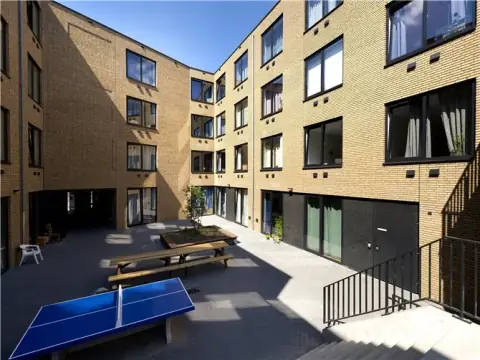
€769.00 / month

€858.00 / month
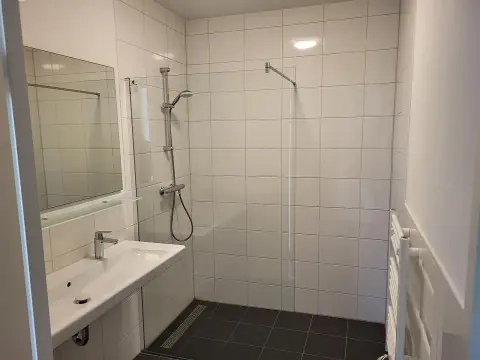
€1,390.00 / month

€933.00 / month

€714.00 / month

€1,100.00 / month

€933.00 / month
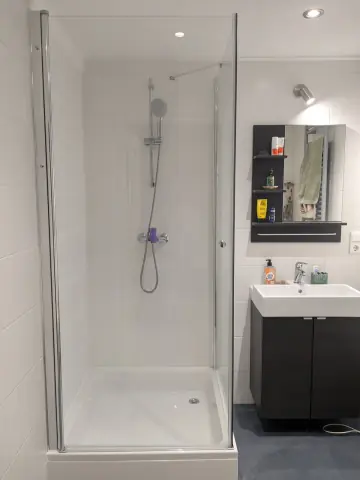
€1,000.00 / month
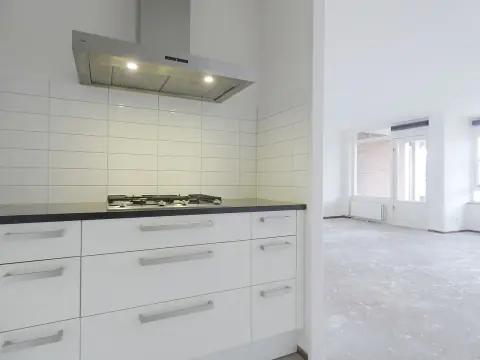
€1,698.00 / month
€742.00 / month
€824.00 / month
€1,950.00 / month
Luntero combines apartments, rooms, studios and houses from rental websites with homes published directly on Luntero. Filter by your needs, compare your options and confirm availability, price and conditions with the advertiser.
Browse listings from Funda, Pararius, Kamernet and other supported websites alongside rentals published directly on Luntero. Coverage is broad, but does not include every home on the market.
Navigate our clean and straightforward design effortlessly on both desktop and mobile devices for a seamless apartment, house, or room hunting experience in the Netherlands.
Browse rental listings in English, Dutch, Spanish, French, German, and more. Luntero ensures you can find your next home in the Netherlands in the language you're most comfortable with.
Luntero refreshes collected listings regularly and search alerts email new matches after a successful check. A source can change between refreshes, so verify decisive details there.