The timeframe after which a rental application or a position on a waiting list is no longer considered valid, a key concept in the social housing system.
Leegstandpercentage
An indicator of the percentage of all available rental units in a specific area or building that are unoccupied.
Terms from the same part of the rental process, so you can read them together instead of looking each one up separately.
The timeframe after which a rental application or a position on a waiting list is no longer considered valid, a key concept in the social housing system.
There is no direct 'BENG subsidy'; BENG is a mandatory energy performance standard for all new buildings, not a subsidized option.
The 'Bouwbesluit 2012' is the national building code of the Netherlands, setting the minimum legal standards for safety, health, and usability that all rental properties must meet.
Capital gains relief on housing means that any profit made from selling your primary residence in the Netherlands is completely tax-free.
There is no single 'Community Housing Fund' in the Netherlands; the concept is fulfilled by the social investment activities of housing corporations and municipalities.
A housing model where residents collectively own and manage their own properties, a niche sector in the Netherlands that receives some government support for its creation.
Approach Vacancy Rate through exceptions, with costs and definition scope marking what still needs verification.
Every glossary entry that belongs to Dutch Housing System, collected on one page.
See TermsLook up a term, abbreviation or contract phrase and get a plain-language explanation with Dutch and English wording.
Search termsLonger guides that walk through applications, contracts, costs and moving, with the terminology used in context.
Read the guidesExplore the latest properties added to Luntero. Find new apartments, houses, and studios across the Netherlands — updated daily to help you discover your next home faster.
Luntero brings represented apartments, rooms, studios and houses from Dutch rental sources into one searchable place. Use the available filters to narrow your options, then check the original listing for current availability, price, conditions and application steps.
Browse rental listings collected from Funda, Pararius, Kamernet and other supported sources in one place. Coverage is broad but not exhaustive, and the original listing remains authoritative.
Navigate our clean and straightforward design effortlessly on both desktop and mobile devices for a seamless apartment, house, or room hunting experience in the Netherlands.
Browse rental listings in English, Dutch, Spanish, French, German, and more. Luntero ensures you can find your next home in the Netherlands in the language you're most comfortable with.
Luntero refreshes collected listings regularly and search alerts email new matches after a successful check. A source can change between refreshes, so verify decisive details there.
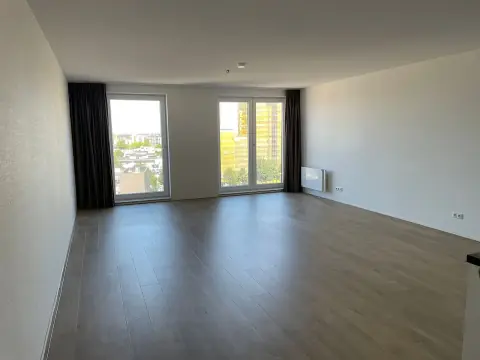
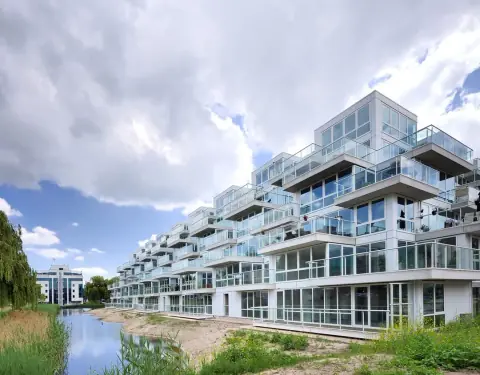
The vacancy rate, known in Dutch as leegstand, is a statistic that measures the proportion of empty, available rental units compared to the total number of rental units in a given building, neighborhood, or city. While landlords and property investors obsess over this number for its direct impact on profitability, a prospective tenant should view it as a powerful, if crude, barometer of a property's health and the local market dynamic. A vacancy rate is never just a neutral statistic; it tells a story. In the context of the perennially tight Dutch housing market—especially in major cities within the Randstad—a noticeable vacancy rate is a profound anomaly. In a market defined by a severe housing shortage, where landlords often receive dozens of applications for a single apartment, you must ask the critical question: "Why are these properties sitting empty?"
A low vacancy rate is the norm in desirable areas and is indicative of high demand. This is the environment most renters in the Netherlands are familiar with, characterized by intense competition and very little tenant negotiating power. Conversely, an unusually high vacancy rate is a significant red flag that warrants deep skepticism. It suggests that other renters, when given a choice, have opted to live elsewhere. The reasons can range from the benign, such as a brand-new apartment complex that is still in the process of leasing up, to the more sinister, such as systemic problems that are driving people away.
A cluster of empty apartments in a single building or on a single street is a signal that requires immediate investigation. There are numerous potential underlying causes, and none of them are positive for a future tenant. The issue could be an unprofessional or unresponsive landlord or management company that residents are desperate to escape. It could point to severe, unaddressed maintenance problems, like persistent leaks, faulty heating, or poor insulation. The building might be plagued by social problems, such as noise nuisance (overlast) from disruptive neighbors or criminal activity. Alternatively, the units may simply be priced far above their actual market value, indicating a landlord who is either out of touch with reality or attempting to exploit the housing shortage. To get a real sense of the situation, you should look for multiple 'Te Huur' (For Rent) signs, check housing portals like Pararius or Funda for an unusual number of listings in the same complex, and, most effectively, try to speak with current residents of the building. Their off-the-record insights will be far more valuable than any information provided by the landlord or letting agent.
While a high vacancy rate is a warning sign, it is also one of the very few situations in the Dutch rental market where the power dynamic can shift, even slightly, in favor of the tenant. A landlord with multiple empty units is losing a significant amount of money every single day. This financial pressure can make them more amenable to negotiation than a landlord who has a queue of desperate applicants. A savvy tenant can potentially leverage this situation. It might open the door to negotiating a slightly lower monthly rent, securing a longer-term contract for added stability, or obtaining concessions that are normally non-negotiable, such as permission to paint the walls or keep a pet.
However, this approach must be balanced with the risks. Negotiating a €50 discount on the rent is a hollow victory if the reason for the vacancy is a fundamental problem with the building that will make your life miserable. If you do identify a vacant property in a building that seems otherwise well-maintained and desirable, treat it as a rare opportunity. Make a reasonable offer and be prepared to justify it. But never let the prospect of a small negotiation victory blind you to the underlying reasons why the opportunity exists in the first place. Always proceed with caution and prioritize due diligence over a potential bargain.

€1,159.00 / month

€600.00 / month

€932.00 / month

€1,187.00 / month

€1,845.00 / month

€933.00 / month

€1,899.00 / month

€765.00 / month

€714.00 / month

€1,596.00 / month

€714.00 / month

€1,210.00 / month