
Administrative Fine
An administrative fine is a significant penalty imposed directly by a government body, bypassing the courts to enforce housing regulations.

huurprijsherziening
A rent review is the process of adjusting the rental price, governed by strict legal rules in the Netherlands depending on the type of contract.
A rent review, which almost always means a rent increase, is a standard feature of renting in the Netherlands. However, landlords do not have free rein to increase the price whenever they wish or by any amount. The process is tightly controlled by law, but the rules that apply depend entirely on whether you are renting in the regulated sector (sociale huur) or the free (liberalized) sector (vrije sector). This distinction is the single most important factor in understanding your rights.
A landlord cannot simply start charging you a new rent. They must follow a formal procedure. The landlord must send you a written proposal for the rent increase at least two months before it is due to take effect. This letter must state the current rent, the new rent, the percentage increase, and the date the new rent will apply. If you believe the proposed increase is unlawful (e.g., it exceeds the legal cap, it's too soon since the last increase, or it's calculated incorrectly), you can object in writing. If you simply pay the new, higher rent without objection, you are legally considered to have accepted it. If you object and cannot reach an agreement, the landlord must ask the Huurcommissie (Rent Tribunal) to validate the increase.
A rent review isn't always about an increase. Tenants have rights to request a rent reduction in specific circumstances. If your property suffers from serious, long-term maintenance defects that the landlord refuses to fix, you can petition the Huurcommissie to temporarily lower your rent until the problems are resolved. More powerfully, all new tenants have a limited window (typically six months from the start of the contract) to ask the Huurcommissie to assess if the initial agreed-upon rent is fair based on the property's points value. If the tribunal agrees the rent is too high, it can permanently lower it, even if you are in a free-sector contract. This is a powerful but often underutilized tenant right.
Table of Contents
Terms from the same part of the rental process, so you can read them together instead of looking each one up separately.
An administrative fine is a significant penalty imposed directly by a government body, bypassing the courts to enforce housing regulations.
A single, legally problematic rental price where the basic rent and service costs are not separated.
Amortization, or aflossing, is the process of repaying the principal of a loan over time, a key component of the landlord's mortgage costs.
Landlords have a strict legal duty to comply with anti-discrimination laws, reinforced by new legislation that mandates fair and transparent tenant selection procedures.
Arbitration is a formal, private method of dispute resolution where a neutral arbitrator makes a binding decision, serving as an alternative to a public court.
Clauses in rental agreements that force a tenant into binding arbitration are heavily restricted in the Netherlands and are often legally unenforceable.
Use the definition of Rent Review to understand exceptions, while confirming contracts and legal limits independently.
Every glossary entry that belongs to Legal Terms, collected on one page.
See TermsLook up a term, abbreviation or contract phrase and get a plain-language explanation with Dutch and English wording.
Search termsLonger guides that walk through applications, contracts, costs and moving, with the terminology used in context.
Read the guidesExplore the latest properties added to Luntero. Find new apartments, houses, and studios across the Netherlands — updated daily to help you discover your next home faster.
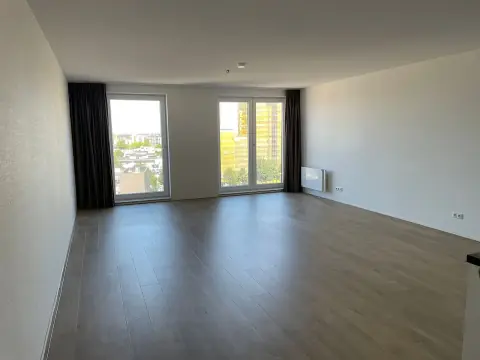
€1,159.00 / month
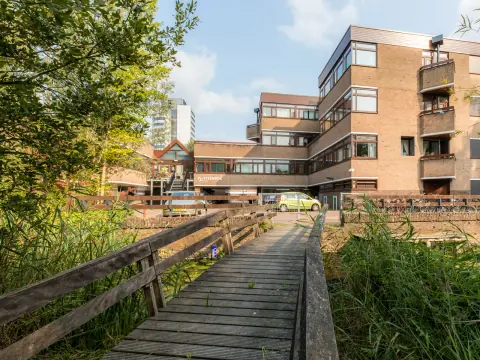
€600.00 / month
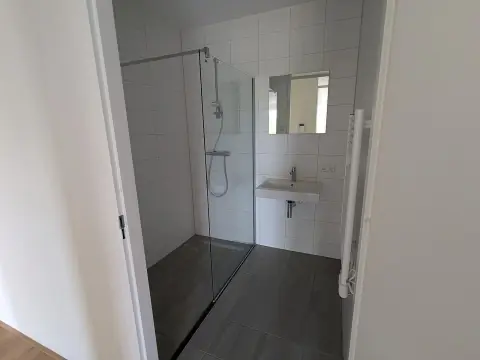
€932.00 / month
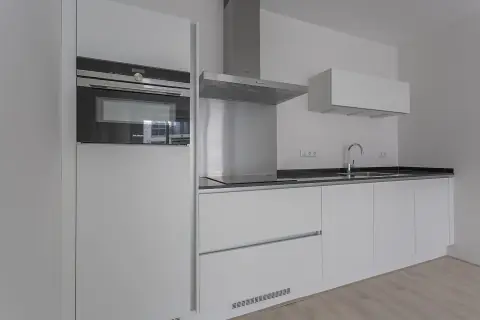
€1,187.00 / month
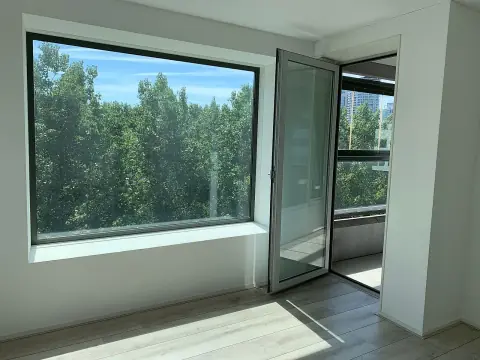
€1,845.00 / month
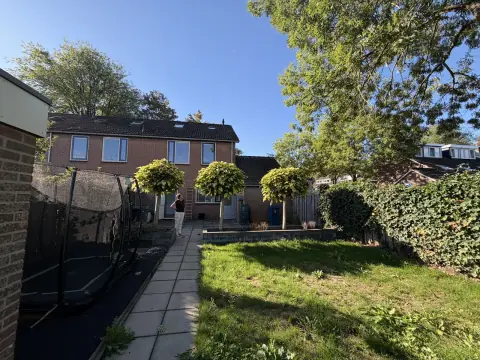
€933.00 / month
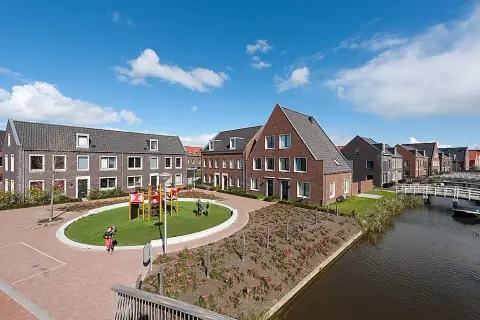
€1,899.00 / month
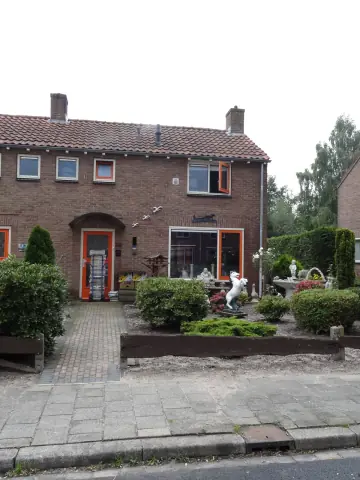
€765.00 / month
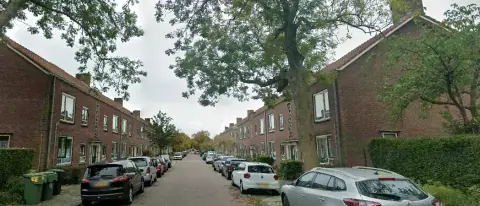
€714.00 / month

€1,596.00 / month
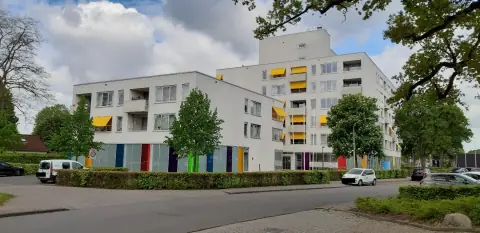
€714.00 / month
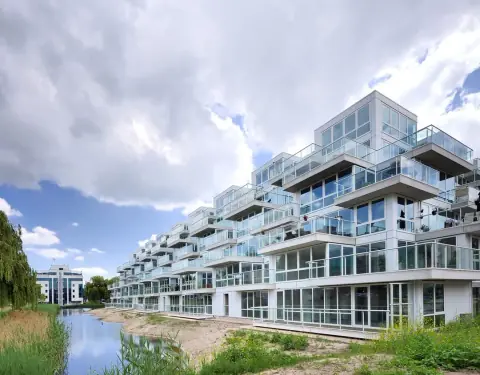
€1,210.00 / month
Luntero brings represented apartments, rooms, studios and houses from Dutch rental sources into one searchable place. Use the available filters to narrow your options, then check the original listing for current availability, price, conditions and application steps.
Browse rental listings collected from Funda, Pararius, Kamernet and other supported sources in one place. Coverage is broad but not exhaustive, and the original listing remains authoritative.
Navigate our clean and straightforward design effortlessly on both desktop and mobile devices for a seamless apartment, house, or room hunting experience in the Netherlands.
Browse rental listings in English, Dutch, Spanish, French, German, and more. Luntero ensures you can find your next home in the Netherlands in the language you're most comfortable with.
Luntero refreshes collected listings regularly and search alerts email new matches after a successful check. A source can change between refreshes, so verify decisive details there.