
Anti-Discrimination Laws
Dutch law provides robust, though sometimes difficult to enforce, protection against housing discrimination on various grounds including race, gender, religion, and income source.

Huurprijsvaststelling
A rent assessment, or 'huurprijsvaststelling', is the formal process by which the Dutch Rent Tribunal determines the legally correct rent for a regulated property based on its quality score.
Huurprijsvaststelling, or rent assessment, is the official procedure undertaken by the Huurcommissie (Rent Tribunal) to determine the maximum legal rent of a property in the regulated sector. It is the formal mechanism through which a tenant can challenge their rent and have it adjudicated by an impartial, quasi-judicial body. A tenant can initiate this procedure if they believe their rent is too high for the quality of the home they are renting. The process involves the tenant submitting a formal request, after which the Huurcommissie will conduct an independent investigation, which often includes a physical inspection of the property to perform an official puntentelling (points assessment).
Based on this assessment of the property's size, energy efficiency, and quality, the Tribunal will calculate the total number of points and determine the corresponding maximum legal rent from the official government table. They then issue a formal, legally binding ruling (uitspraak). If the ruling states that the legal rent is lower than what the tenant is currently paying, the landlord is obligated to lower the rent to the assessed amount, often retroactively. This process is the primary enforcement mechanism for the Dutch housing valuation system.
The power to request a huurprijsvaststelling is a formidable right for tenants in the regulated sector. For new tenants, there is a critical window of the first six months of the contract to have the initial rent assessed. This is the procedure used to challenge a rent that is suspected to be unlawfully above the liberalization threshold. For existing tenants in regulated properties, the procedure can be used to challenge the annual rent increase or to request a rent reduction if the property's condition has deteriorated or if the points were miscalculated in the past. The process is designed to be low-cost and accessible, providing a genuine check on the power of landlords in the affordable housing sector.
However, the power of rent assessment is strictly limited to the regulated sector. If your property is definitively in the free sector (i.e., its point score at the start of your lease was legitimately above the liberalization threshold), the Huurcommissie has no jurisdiction over your rent price. They can rule on disputes about service costs or maintenance for free-sector properties, but they cannot assess or change the basic rent. Therefore, the first and most critical step for any tenant considering this procedure is to get a reliable estimate of their property's point count to determine which sector they fall into.
Table of Contents
Terms from the same part of the rental process, so you can read them together instead of looking each one up separately.
Dutch law provides robust, though sometimes difficult to enforce, protection against housing discrimination on various grounds including race, gender, religion, and income source.
Dutch law strictly prohibits discrimination in the housing market based on a wide range of protected grounds.
CCTV cameras in or around a rental property are strictly regulated by privacy laws to protect tenants from surveillance.
The official and unofficial processes for resolving conflicts over the return of a rental deposit in the Netherlands.
Recent Dutch law mandates a strict timeline for the return of the security deposit, requiring a refund within 14 days if there are no damages.
A formal request made by a tenant for necessary adjustments to a property to make it accessible and livable for a person with a disability.
Before relying on Rent Assessment, distinguish exceptions from contracts and official guidance. Use current official guidance or qualified advice where the term affects an individual decision.
Every glossary entry that belongs to Tenant Rights, collected on one page.
See TermsLook up a term, abbreviation or contract phrase and get a plain-language explanation with Dutch and English wording.
Search termsLonger guides that walk through applications, contracts, costs and moving, with the terminology used in context.
Read the guidesExplore the latest properties added to Luntero. Find new apartments, houses, and studios across the Netherlands — updated daily to help you discover your next home faster.
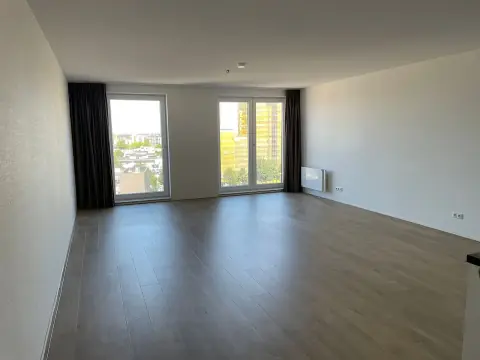
€1,159.00 / month

€600.00 / month
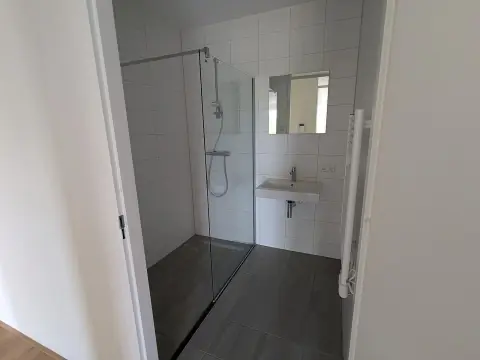
€932.00 / month
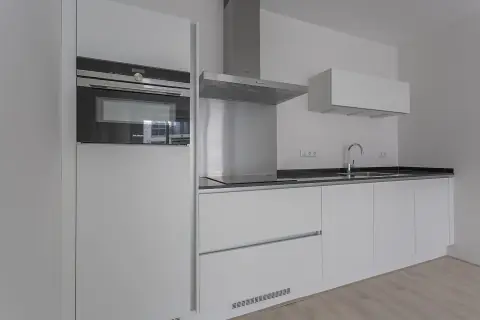
€1,187.00 / month
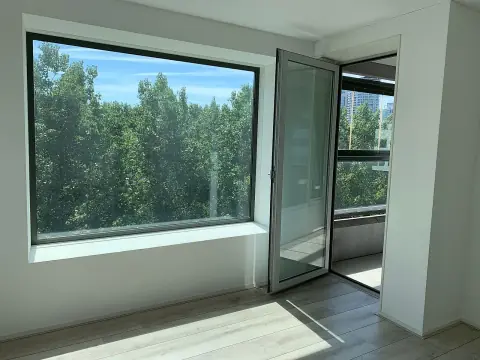
€1,845.00 / month
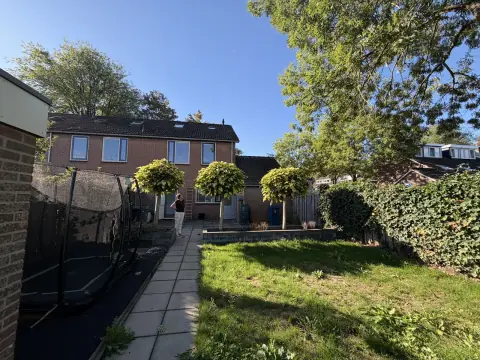
€933.00 / month

€1,899.00 / month
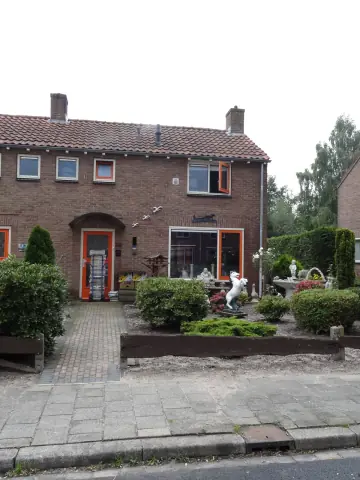
€765.00 / month
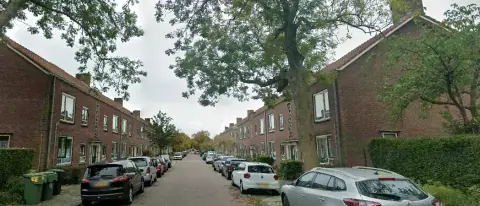
€714.00 / month

€1,596.00 / month
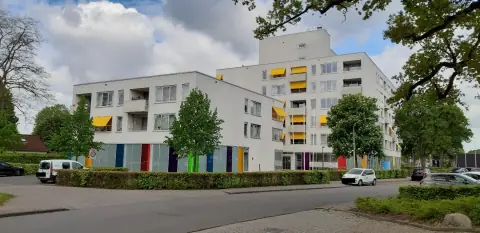
€714.00 / month

€1,210.00 / month
Luntero brings represented apartments, rooms, studios and houses from Dutch rental sources into one searchable place. Use the available filters to narrow your options, then check the original listing for current availability, price, conditions and application steps.
Browse rental listings collected from Funda, Pararius, Kamernet and other supported sources in one place. Coverage is broad but not exhaustive, and the original listing remains authoritative.
Navigate our clean and straightforward design effortlessly on both desktop and mobile devices for a seamless apartment, house, or room hunting experience in the Netherlands.
Browse rental listings in English, Dutch, Spanish, French, German, and more. Luntero ensures you can find your next home in the Netherlands in the language you're most comfortable with.
Luntero refreshes collected listings regularly and search alerts email new matches after a successful check. A source can change between refreshes, so verify decisive details there.