
Administrative Fine
An administrative fine is a significant penalty imposed directly by a government body, bypassing the courts to enforce housing regulations.

Zelfbewoningsplicht
An owner-occupancy obligation is a municipal rule forcing property buyers to live in the home themselves, restricting its use as a rental property.
The zelfbewoningsplicht is a legal obligation imposed by a municipality that requires the purchaser of a property to occupy it as their primary residence. It is, in essence, a ban on buying-to-let. This tool has gained significant popularity in major Dutch cities like Amsterdam, Rotterdam, and Utrecht as a measure to combat the housing crisis. The stated goal is to curb the influence of private investors who buy up properties, often outbidding first-time homebuyers, only to rent them out at high prices. By enforcing a zelfbewoningsplicht, municipalities aim to ensure that available housing stock is used for habitation by owners rather than for generating rental income, theoretically cooling the market and giving regular buyers a better chance. This obligation is typically applied to newly built homes or existing properties up to a certain value (the WOZ-waarde). The duration of the obligation varies, but it's often for a period of several years after the purchase. For tenants, the effects of this policy are complex and not entirely positive. While it may slow down house price inflation in the long term, its immediate effect is a significant reduction in the available supply of private rental properties in the areas where it is enforced. It directly targets and shrinks the very market that many prospective tenants rely on.
While the policy is designed to help buyers, it creates a hostile environment for renters. The zelfbewoningsplicht fundamentally reduces the number of legitimate, long-term rental options in the private sector. As more properties are locked into owner-occupation, the remaining rental stock becomes even more scarce, which can paradoxically drive up rental prices for the fewer units that remain available. Furthermore, it can push the rental market towards a grey area. Landlords looking to circumvent the rule might offer temporary leases under exceptions (e.g., renting out while temporarily abroad), leading to more precarious and short-term housing situations for tenants. The enforcement of the zelfbewoningsplicht is also a critical question. Municipalities rely on registration data and reports from neighbors to catch violators, but a determined investor might find loopholes. This creates an unstable situation where a tenant might unknowingly rent a property in violation of the rule. If the landlord is caught, the municipality can levy a substantial fine (bestuurlijke boete), and the tenant could face eviction, finding themselves the victim of a legal dispute between their landlord and the city. Instead of creating a stable housing market, the zelfbewoningsplicht can contribute to a more fragmented and uncertain rental landscape, punishing those who cannot afford to buy by simply removing the homes they would have rented.
Table of Contents
Terms from the same part of the rental process, so you can read them together instead of looking each one up separately.
An administrative fine is a significant penalty imposed directly by a government body, bypassing the courts to enforce housing regulations.
A single, legally problematic rental price where the basic rent and service costs are not separated.
Amortization, or aflossing, is the process of repaying the principal of a loan over time, a key component of the landlord's mortgage costs.
Landlords have a strict legal duty to comply with anti-discrimination laws, reinforced by new legislation that mandates fair and transparent tenant selection procedures.
Arbitration is a formal, private method of dispute resolution where a neutral arbitrator makes a binding decision, serving as an alternative to a public court.
Clauses in rental agreements that force a tenant into binding arbitration are heavily restricted in the Netherlands and are often legally unenforceable.
Read Owner-Occupancy Obligation through exceptions, Dutch context, and current rules, not as advice for an individual housing case.
Every glossary entry that belongs to Legal Terms, collected on one page.
See TermsLook up a term, abbreviation or contract phrase and get a plain-language explanation with Dutch and English wording.
Search termsLonger guides that walk through applications, contracts, costs and moving, with the terminology used in context.
Read the guidesExplore the latest properties added to Luntero. Find new apartments, houses, and studios across the Netherlands — updated daily to help you discover your next home faster.
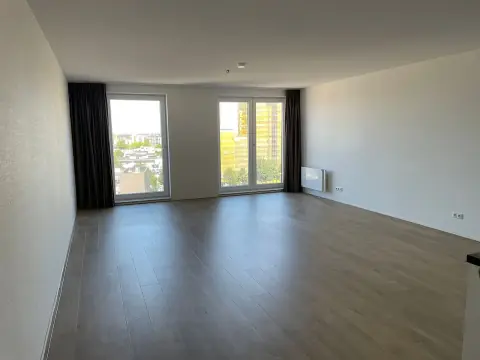
€1,159.00 / month

€600.00 / month
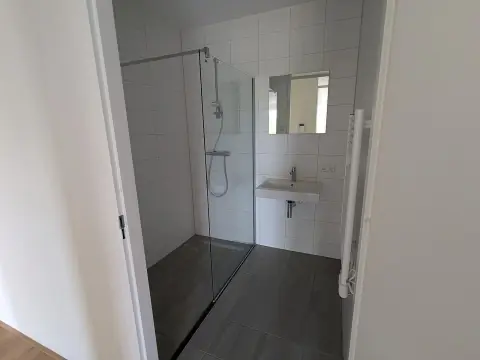
€932.00 / month

€1,187.00 / month
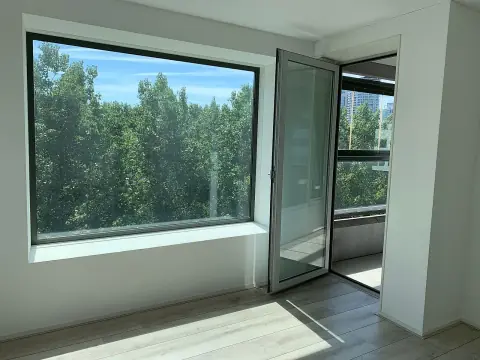
€1,845.00 / month
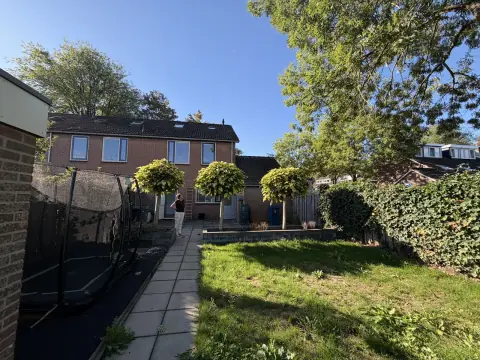
€933.00 / month

€1,899.00 / month
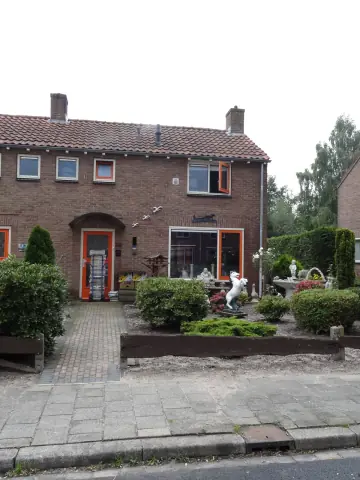
€765.00 / month
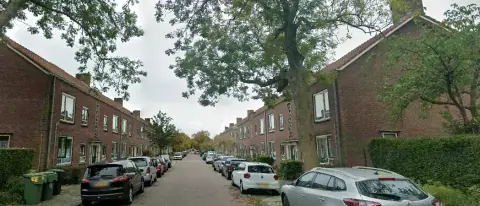
€714.00 / month

€1,596.00 / month
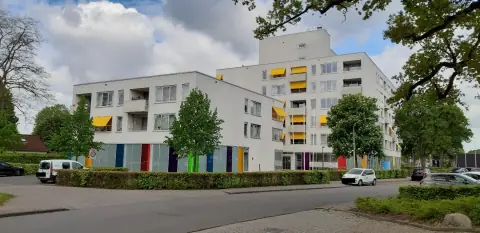
€714.00 / month
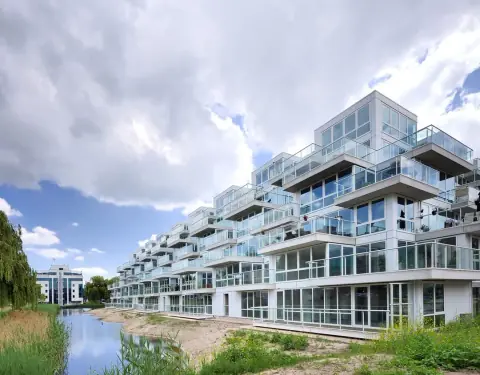
€1,210.00 / month
Luntero brings represented apartments, rooms, studios and houses from Dutch rental sources into one searchable place. Use the available filters to narrow your options, then check the original listing for current availability, price, conditions and application steps.
Browse rental listings collected from Funda, Pararius, Kamernet and other supported sources in one place. Coverage is broad but not exhaustive, and the original listing remains authoritative.
Navigate our clean and straightforward design effortlessly on both desktop and mobile devices for a seamless apartment, house, or room hunting experience in the Netherlands.
Browse rental listings in English, Dutch, Spanish, French, German, and more. Luntero ensures you can find your next home in the Netherlands in the language you're most comfortable with.
Luntero refreshes collected listings regularly and search alerts email new matches after a successful check. A source can change between refreshes, so verify decisive details there.