
Administrative Fine
An administrative fine is a significant penalty imposed directly by a government body, bypassing the courts to enforce housing regulations.

voorkeursrecht gemeenten
The municipal right of first refusal is a legal tool that forces a property owner to offer their property for sale to the municipality first.
The voorkeursrecht gemeenten is established by the Municipalities (Preferential Right) Act (Wet voorkeursrecht gemeenten, or Wvg). This powerful legal instrument grants municipalities and other public bodies the first option to purchase land or property when the owner decides to sell. This is not a right to expropriate property; the owner is not forced to sell. However, if the owner does decide to sell, they are legally obligated to offer it to the municipality before anyone else. This law is a significant intervention in the free market, fundamentally altering private property rights in the name of public interest and long-term urban planning. It is a tool designed to give public authorities a strategic advantage in shaping the future of a city or region.
The primary goal of the voorkeursrecht is to enable proactive spatial planning. Municipalities use it to acquire strategic locations for future development, such as building new residential areas, constructing infrastructure, or creating green spaces. By securing the right of first refusal, they can prevent land from being bought by private developers whose plans might not align with the public's long-term vision—for instance, a developer looking to build luxury villas on land earmarked for social housing. The process begins when a municipality formally designates a specific area. Once the designation is in effect, any owner within that area who wishes to sell must notify the municipality of their intention and the proposed price. The municipality then has a period to decide whether to exercise its right to buy at a market-conform price. If they decline or fail to respond in time, the owner is free to sell to another party for a limited period. This process can be a source of significant tension, as the municipality's valuation of a 'market-conform' price may differ substantially from what the owner believes they could get on the open market.
The municipal right of first refusal is a classic example of the conflict between individual rights and the collective good. On one hand, it is a crucial tool for preventing urban sprawl, combating land speculation, and ensuring that development serves the community's needs, such as alleviating housing shortages. It allows a city to execute a coherent, long-term vision rather than letting development be dictated purely by short-term commercial interests.
On the other hand, it places a heavy burden on the property owner. It limits their freedom to dispose of their property as they see fit and can introduce significant delays and uncertainty into the sales process. An owner is locked into negotiations with a single potential buyer—the government—which can be a slow and bureaucratic process. If they disagree with the price offered, the dispute may have to be settled by legal experts or in court, adding further cost and delay. For tenants living in a property under a voorkeursrecht, the situation brings uncertainty. While their rental contract is protected by law (koop breekt geen huur), the long-term future of their home becomes subject to the municipality's plans, which could eventually include demolition and redevelopment.
Table of Contents
Terms from the same part of the rental process, so you can read them together instead of looking each one up separately.
An administrative fine is a significant penalty imposed directly by a government body, bypassing the courts to enforce housing regulations.
A single, legally problematic rental price where the basic rent and service costs are not separated.
Amortization, or aflossing, is the process of repaying the principal of a loan over time, a key component of the landlord's mortgage costs.
Landlords have a strict legal duty to comply with anti-discrimination laws, reinforced by new legislation that mandates fair and transparent tenant selection procedures.
Arbitration is a formal, private method of dispute resolution where a neutral arbitrator makes a binding decision, serving as an alternative to a public court.
Clauses in rental agreements that force a tenant into binding arbitration are heavily restricted in the Netherlands and are often legally unenforceable.
Use the definition of Municipal Right of First Refusal to understand exceptions, while confirming Dutch context and documents independently.
Every glossary entry that belongs to Legal Terms, collected on one page.
See TermsLook up a term, abbreviation or contract phrase and get a plain-language explanation with Dutch and English wording.
Search termsLonger guides that walk through applications, contracts, costs and moving, with the terminology used in context.
Read the guidesExplore the latest properties added to Luntero. Find new apartments, houses, and studios across the Netherlands — updated daily to help you discover your next home faster.
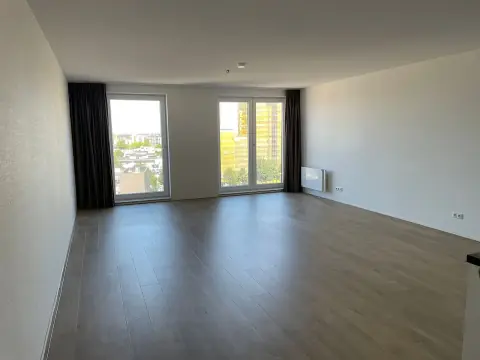
€1,159.00 / month

€600.00 / month
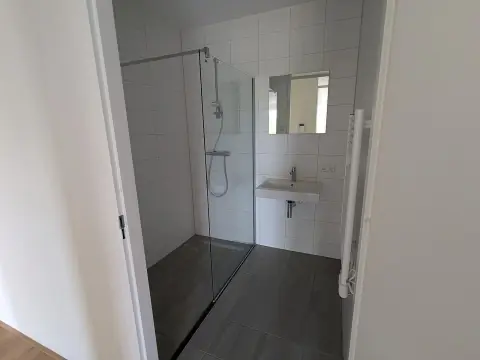
€932.00 / month

€1,187.00 / month
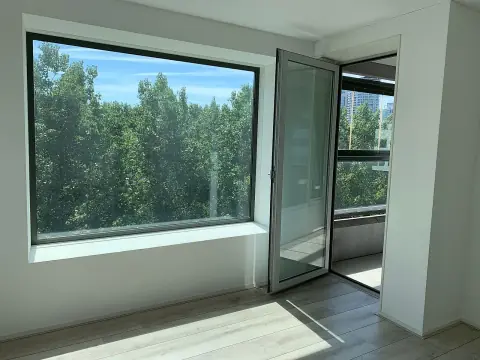
€1,845.00 / month
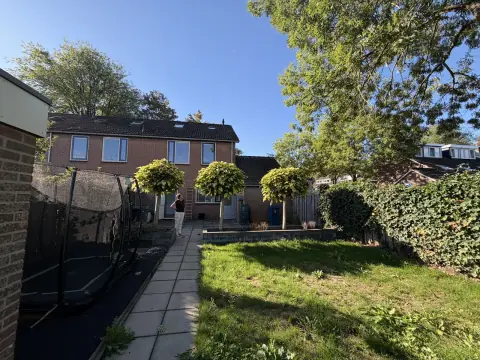
€933.00 / month

€1,899.00 / month
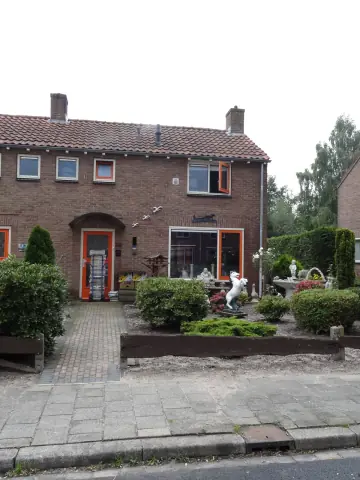
€765.00 / month
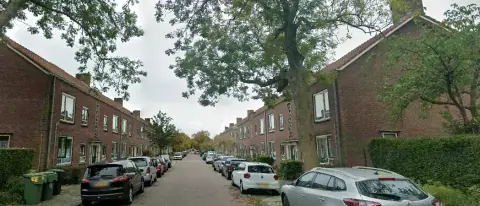
€714.00 / month

€1,596.00 / month
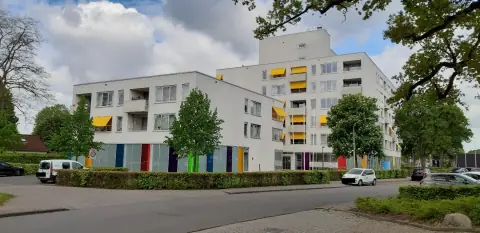
€714.00 / month

€1,210.00 / month
Luntero brings represented apartments, rooms, studios and houses from Dutch rental sources into one searchable place. Use the available filters to narrow your options, then check the original listing for current availability, price, conditions and application steps.
Browse rental listings collected from Funda, Pararius, Kamernet and other supported sources in one place. Coverage is broad but not exhaustive, and the original listing remains authoritative.
Navigate our clean and straightforward design effortlessly on both desktop and mobile devices for a seamless apartment, house, or room hunting experience in the Netherlands.
Browse rental listings in English, Dutch, Spanish, French, German, and more. Luntero ensures you can find your next home in the Netherlands in the language you're most comfortable with.
Luntero refreshes collected listings regularly and search alerts email new matches after a successful check. A source can change between refreshes, so verify decisive details there.