
Administrative Fine
An administrative fine is a significant penalty imposed directly by a government body, bypassing the courts to enforce housing regulations.

Ministeriële Regeling
A ministerial regulation is a form of legislation created by a government minister to specify the detailed, technical rules of a broader parliamentary act.
In the Dutch legal framework, laws are created in a layered system. While the Dutch Parliament (Staten-Generaal) is responsible for passing major laws (Acts, or Wetten), it is often impractical for politicians to debate every single technical detail. This is where the ministeriële regeling (ministerial regulation) comes in. It is a form of delegated legislation, where an Act of Parliament establishes a broad principle and then explicitly grants the responsible government minister the authority to work out the specific, granular rules. This creates a legal hierarchy: the Act sets the 'what' and 'why', while the ministerial regulation provides the 'how'.
The primary function of a ministerial regulation is to make the law workable in practice. For example, the Housing Act might state that the government will set an annual maximum percentage for rent increases in the social sector. It would be highly inefficient for Parliament to hold a full debate and vote on this percentage every single year. Instead, the Act delegates this authority to the Minister of Housing. The Minister, supported by their civil servants, will then issue a ministerial regulation specifying the exact percentage for the upcoming year. This process is used for countless details across all areas of policy, from defining the exact technical standards for energy labels to setting the precise income thresholds for social benefits. It allows the government to be more agile and to base detailed rules on expert input rather than political debate.
While the efficiency of this system is undeniable, it also raises legitimate concerns about democratic oversight. A ministerial regulation has the full force of law, but it is created within the executive branch of government, without a direct vote or debate in Parliament. This concentrates significant law-making power in the hands of a single minister and their department. Critics argue that this can lead to a 'democratic deficit', where important and impactful decisions are made outside of the public political arena. While a regulation cannot legally contradict its 'parent' Act, ministers still have considerable leeway in interpreting their mandate. This creates a constant tension: is the ministeriële regeling a pragmatic and necessary tool for effective governance, or is it a convenient loophole that allows the government to implement policy without facing the full rigors of parliamentary scrutiny?
Table of Contents
Terms from the same part of the rental process, so you can read them together instead of looking each one up separately.
An administrative fine is a significant penalty imposed directly by a government body, bypassing the courts to enforce housing regulations.
A single, legally problematic rental price where the basic rent and service costs are not separated.
Amortization, or aflossing, is the process of repaying the principal of a loan over time, a key component of the landlord's mortgage costs.
Landlords have a strict legal duty to comply with anti-discrimination laws, reinforced by new legislation that mandates fair and transparent tenant selection procedures.
Arbitration is a formal, private method of dispute resolution where a neutral arbitrator makes a binding decision, serving as an alternative to a public court.
Clauses in rental agreements that force a tenant into binding arbitration are heavily restricted in the Netherlands and are often legally unenforceable.
Before relying on Ministerial Regulation, distinguish exceptions from Dutch context and eligibility. Use current official guidance or qualified advice where the term affects an individual decision.
Every glossary entry that belongs to Legal Terms, collected on one page.
See TermsLook up a term, abbreviation or contract phrase and get a plain-language explanation with Dutch and English wording.
Search termsLonger guides that walk through applications, contracts, costs and moving, with the terminology used in context.
Read the guidesExplore the latest properties added to Luntero. Find new apartments, houses, and studios across the Netherlands — updated daily to help you discover your next home faster.
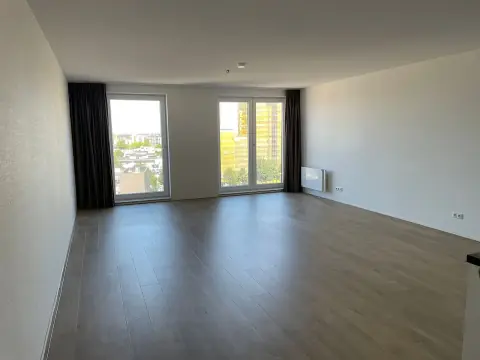
€1,159.00 / month

€600.00 / month
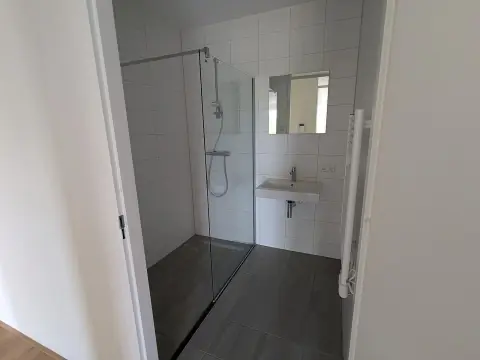
€932.00 / month

€1,187.00 / month
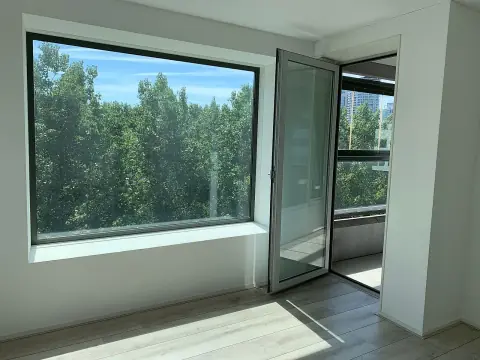
€1,845.00 / month
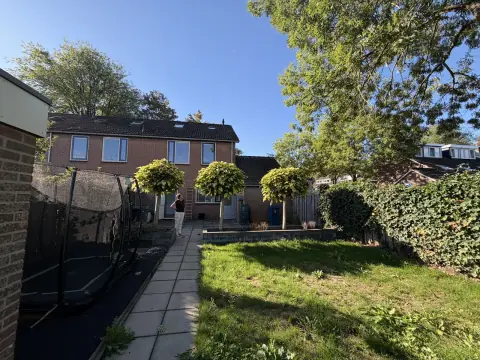
€933.00 / month

€1,899.00 / month
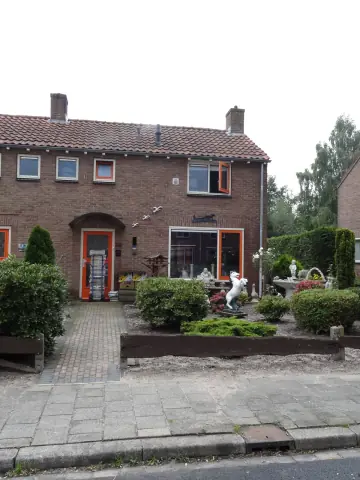
€765.00 / month
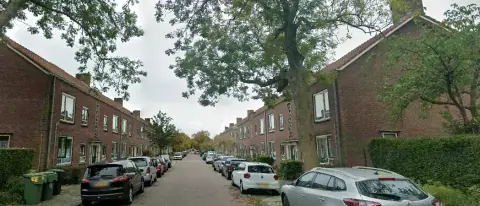
€714.00 / month

€1,596.00 / month

€714.00 / month
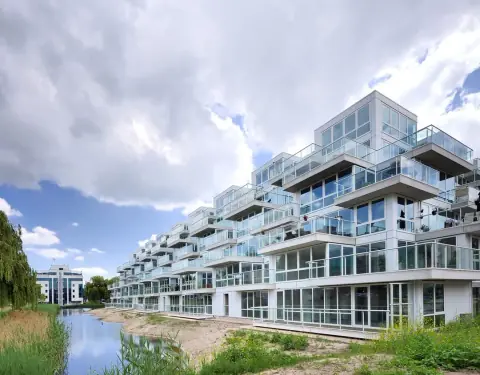
€1,210.00 / month
Luntero brings represented apartments, rooms, studios and houses from Dutch rental sources into one searchable place. Use the available filters to narrow your options, then check the original listing for current availability, price, conditions and application steps.
Browse rental listings collected from Funda, Pararius, Kamernet and other supported sources in one place. Coverage is broad but not exhaustive, and the original listing remains authoritative.
Navigate our clean and straightforward design effortlessly on both desktop and mobile devices for a seamless apartment, house, or room hunting experience in the Netherlands.
Browse rental listings in English, Dutch, Spanish, French, German, and more. Luntero ensures you can find your next home in the Netherlands in the language you're most comfortable with.
Luntero refreshes collected listings regularly and search alerts email new matches after a successful check. A source can change between refreshes, so verify decisive details there.