A rental advertisement in the Netherlands is the first point of contact with a property, requiring a cautious approach to avoid scams and misleading information.
Inspectierapport
A detailed document recording the condition of a rental property at the start of the tenancy.
Table of Contents
Terms from the same part of the rental process, so you can read them together instead of looking each one up separately.
A rental advertisement in the Netherlands is the first point of contact with a property, requiring a cautious approach to avoid scams and misleading information.
A fee charged by a real estate agent for their services, which a landlord is often illegally passing on to the tenant.
An AML check is a procedure to prevent illicit funds in real estate, a process that is sometimes improperly applied to tenants, creating an unnecessary burden.
Dutch real estate agents are legally required to perform due diligence on tenants to prevent money laundering, which may include verifying your identity and source of funds.
An application confirmation is a meaningless automated receipt for your submission, offering a false sense of progress before the usual silence.
The application deadline is an often extremely short timeframe designed to create artificial urgency and pressure on prospective tenants.
Approach Inspection Report through exceptions, with meaning and documents marking what still needs verification.
Every glossary entry that belongs to Application Process, collected on one page.
See TermsLook up a term, abbreviation or contract phrase and get a plain-language explanation with Dutch and English wording.
Search termsLonger guides that walk through applications, contracts, costs and moving, with the terminology used in context.
Read the guidesExplore the latest properties added to Luntero. Find new apartments, houses, and studios across the Netherlands — updated daily to help you discover your next home faster.
Luntero brings represented apartments, rooms, studios and houses from Dutch rental sources into one searchable place. Use the available filters to narrow your options, then check the original listing for current availability, price, conditions and application steps.
Browse rental listings collected from Funda, Pararius, Kamernet and other supported sources in one place. Coverage is broad but not exhaustive, and the original listing remains authoritative.
Navigate our clean and straightforward design effortlessly on both desktop and mobile devices for a seamless apartment, house, or room hunting experience in the Netherlands.
Browse rental listings in English, Dutch, Spanish, French, German, and more. Luntero ensures you can find your next home in the Netherlands in the language you're most comfortable with.
Luntero refreshes collected listings regularly and search alerts email new matches after a successful check. A source can change between refreshes, so verify decisive details there.
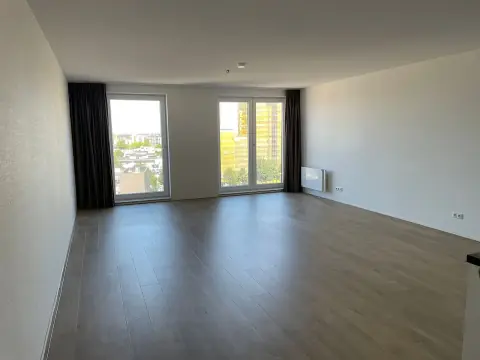
An inspectierapport, also known as a check-in report (opnamestaat), serves as a detailed, written and often photographic record of a property's condition at the precise moment a tenant takes possession. This document is arguably one of the most important in the entire rental process, yet its significance is often underestimated by tenants eager to move in. Its primary purpose is to establish a baseline. Without a mutually agreed-upon inspection report, Dutch law defaults to a precarious position for the landlord. The law states that if no report was created at the start, the tenant is presumed to have received the property in good condition and must return it in the same state, except for normal wear and tear. However, the crucial twist is that if a dispute arises at the end of the tenancy about damages, and no initial report exists, the law then presumes the property was returned in the same state it was received. This puts the burden of proof entirely on the landlord to prove that the tenant caused specific damages, a very difficult task without a baseline document. Therefore, a thorough inspection report is, ironically, more in the landlord's interest than the tenant's.
For the tenant, the inspectierapport is a shield. It is their opportunity to meticulously document every existing flaw, no matter how minor: a scratch on the floor, a crack in a tile, a window that doesn't close properly. The process should be a joint exercise between the landlord (or their agent) and the tenant, walking through every room and noting every detail. Tenants should be skeptical of agents who rush this process or dismiss concerns as 'minor'. Take your own photos and videos, timestamped if possible, as a personal backup. The final report should be signed and dated by both parties, with each receiving a copy. Refusing to sign until all observed defects are included is a tenant's absolute right. This document prevents the most common source of deposit disputes: a landlord blaming a new tenant for the previous tenant's damages.
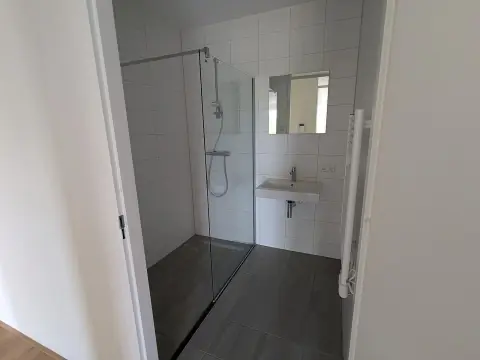
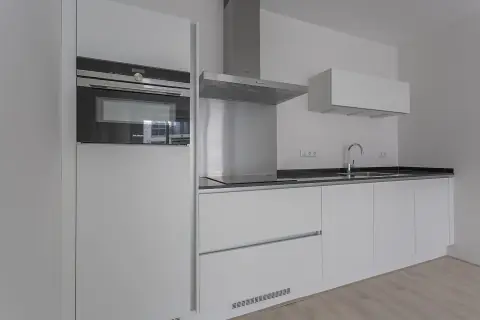
A proper inspectierapport is more than a simple checklist. It should be a comprehensive survey. It typically includes sections for each room, detailing the state of the floors, walls, ceilings, windows, and doors. It should also list all fixtures and fittings, such as kitchen appliances, light fixtures, and bathroom furniture, noting their condition and functionality. Meter readings for gas, water, and electricity are also a critical component, providing a clear cut-off point for utility billing. Some of the most frequently overlooked items that later become points of contention include the condition of the grouting in bathrooms, the presence and functionality of smoke detectors, the number of keys provided, and the state of any included furniture or garden areas. A vague report stating 'good condition' is almost useless.
The pitfalls are numerous. A common issue is the use of boilerplate reports by real estate agents that don't accurately reflect the specific property. Tenants may feel pressured to sign a generic document on the spot. Another problem arises when the inspection is done without the tenant present, with the report being sent later for a signature. This is a major red flag; the inspection must be a joint activity. Tenants should also be wary of clauses that state the tenant accepts the property 'as is'. While you do accept the property, this does not waive the landlord's legal obligation to fix defects they are responsible for. The report's purpose is to document the state, not to absolve the landlord of their maintenance duties. It's a snapshot in time, not a waiver of rights.

€1,159.00 / month

€600.00 / month

€932.00 / month

€1,187.00 / month

€1,845.00 / month

€933.00 / month

€1,899.00 / month

€765.00 / month

€714.00 / month

€1,596.00 / month

€714.00 / month

€1,210.00 / month