
30% Ruling
A significant tax advantage for eligible international employees, making them highly attractive tenants to landlords.
The IBAN is a standardized international code for identifying a bank account, essential for all bank transfers within the Netherlands and across Europe.
IBAN is an acronym for International Bank Account Number, a global standard for identifying bank accounts across borders. Although it has worldwide scope, it is most prominently used and enforced within Europe. Its primary purpose was to simplify and streamline cross-border transactions, particularly within the Eurozone, by creating a unified format for account numbers that were previously unique to each country's banking system. This standardization dramatically reduces the risk of transcription errors that could cause payments to be delayed or rejected. A Dutch IBAN is easily recognizable, always beginning with the country code 'NL'. The full structure consists of several parts: a two-letter country code (e.g., NL), two check digits for algorithmic validation, a four-letter code identifying the bank (e.g., ABN AMRO is 'ABNA', ING Bank is 'INGB'), and finally a 10-digit number representing the individual account.
This structure makes the IBAN self-validating. A simple algorithm can check the integrity of the number before a transaction is even initiated, catching typos or mistakes at the source. For the end-user, this means that money transfers, whether to a local utility company or a landlord in another country, are more reliable and efficient. The IBAN, in conjunction with the BIC (Bank Identifier Code, also known as a SWIFT code), forms the backbone of the Single Euro Payments Area (SEPA), a system that ensures cross-border euro transfers are as cheap and easy as domestic ones. In daily life in the Netherlands, you will use your IBAN for everything: providing it to your employer for your salary, setting up direct debits for rent and utilities, and making online purchases.
According to Article 9 of the SEPA Regulation (No 260/2012), it is illegal for any company or individual within the SEPA zone to refuse a valid IBAN from another SEPA member country. This means, by law, a Dutch landlord or a gym must accept payment from, for example, a German, Spanish, or Irish bank account. The principle is clear: within the single market, a euro is a euro, and a SEPA bank account is a SEPA bank account, regardless of the country of origin. This regulation is intended to foster a truly integrated European market for financial services and to give consumers genuine choice over where they bank.
However, the gap between law and reality is vast. 'IBAN discrimination' is a widespread and persistent problem in the Netherlands, as it is in many other EU countries. Many companies' internal systems, online payment forms, and administrative procedures are hard-coded to only accept IBANs that start with 'NL'. When presented with a foreign IBAN, these systems will often reject it with an error message, effectively forcing the individual to open a local Dutch bank account against their will. While this practice is illegal, enforcement is weak and recourse for the consumer is often cumbersome, requiring formal complaints to regulatory bodies. This creates a significant and frustrating barrier for newcomers, who may wish to continue using their established home bank account for a transitional period. It stands as a stark example of how national habits and outdated technical infrastructure can undermine the principles of a unified European market, forcing expats into a local financial ecosystem even when the law explicitly states they should not have to.
Table of Contents
Terms from the same part of the rental process, so you can read them together instead of looking each one up separately.
A significant tax advantage for eligible international employees, making them highly attractive tenants to landlords.
An internationally recognized form of certification that validates the authenticity of a public document for use in another country.
A car lease for expats is a long-term rental agreement for a vehicle, often with all-inclusive pricing that covers insurance, maintenance, and taxes, tailored to foreign nationals.
A unique personal identification number required for virtually all administrative tasks in the Netherlands, including renting a property.
Commute time in the Netherlands is a critical calculation, often measured in cycling minutes or public transport zones rather than just distance.
A corporate lease is a rental agreement where a company, rather than an individual, is the official tenant and bears the legal and financial responsibility.
Use exceptions, meaning, and official guidance to place IBAN within the Dutch housing system. Compare IBAN with nearby housing for international renters concepts to avoid confusing similar terms, then use current official guidance or qualified advice when the distinction affects a real decision.
Every glossary entry that belongs to Expat Considerations, collected on one page.
See TermsLook up a term, abbreviation or contract phrase and get a plain-language explanation with Dutch and English wording.
Search termsLonger guides that walk through applications, contracts, costs and moving, with the terminology used in context.
Read the guidesExplore the latest properties added to Luntero. Find new apartments, houses, and studios across the Netherlands — updated daily to help you discover your next home faster.
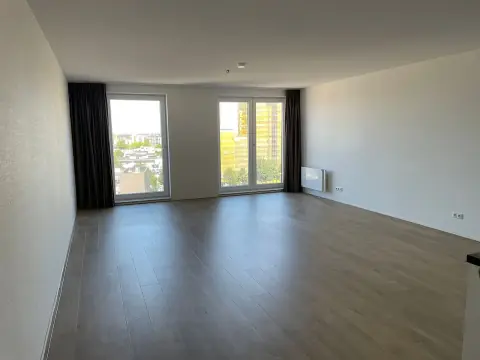
€1,159.00 / month

€600.00 / month
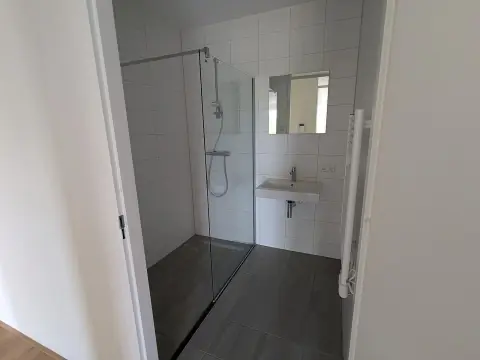
€932.00 / month
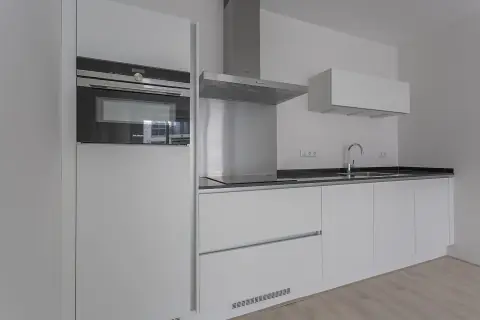
€1,187.00 / month
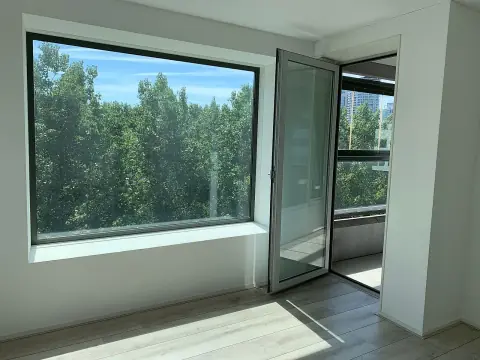
€1,845.00 / month
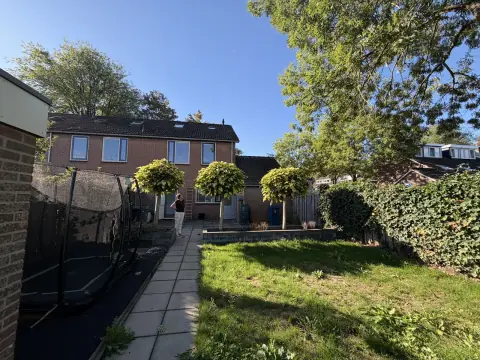
€933.00 / month
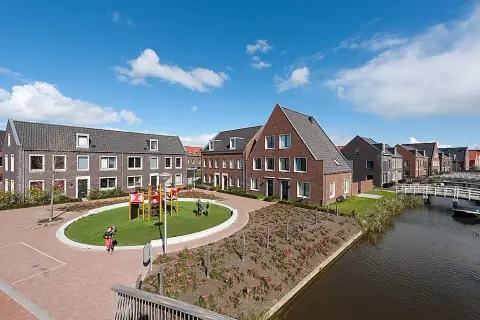
€1,899.00 / month
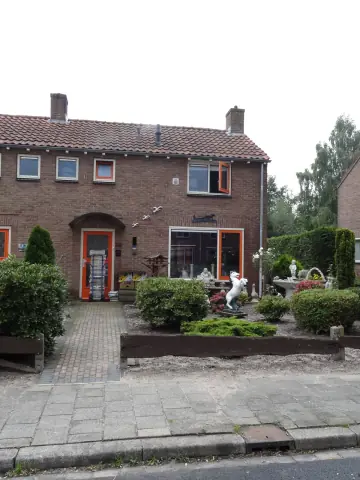
€765.00 / month
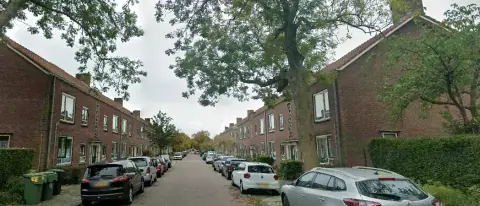
€714.00 / month

€1,596.00 / month
€714.00 / month
€1,210.00 / month
Luntero brings represented apartments, rooms, studios and houses from Dutch rental sources into one searchable place. Use the available filters to narrow your options, then check the original listing for current availability, price, conditions and application steps.
Browse rental listings collected from Funda, Pararius, Kamernet and other supported sources in one place. Coverage is broad but not exhaustive, and the original listing remains authoritative.
Navigate our clean and straightforward design effortlessly on both desktop and mobile devices for a seamless apartment, house, or room hunting experience in the Netherlands.
Browse rental listings in English, Dutch, Spanish, French, German, and more. Luntero ensures you can find your next home in the Netherlands in the language you're most comfortable with.
Luntero refreshes collected listings regularly and search alerts email new matches after a successful check. A source can change between refreshes, so verify decisive details there.