A fee charged for administrative actions, which is almost always illegal when levied on a tenant by a landlord's agent.
Borg
The security deposit, or borg, is a payment made by a tenant to a landlord at the beginning of a tenancy to cover potential damages or rent arrears, with its return being a frequent source of conflict.
Terms from the same part of the rental process, so you can read them together instead of looking each one up separately.
A fee charged for administrative actions, which is almost always illegal when levied on a tenant by a landlord's agent.
An administrative fee, often called 'contractkosten' or a lease initiation fee, is a charge for drawing up the rental agreement, the legality of which is highly questionable.
'Leges' are administrative fees charged by government bodies for providing a specific service or processing an application.
An agency fee, also known as a broker fee or 'courtage', is a charge for real estate brokerage services which, by law, cannot be charged to a tenant if the agent is working for the landlord.
An alarm system fee is a recurring cost for professional monitoring, and responsibility for payment depends on what is agreed in the rental contract.
Paying residential rent annually is not a standard practice in the Netherlands; the law and market are based on monthly payments.
Connect Security Deposit (Borg) with exceptions and costs, then use authority to identify the appropriate follow-up source.
Every glossary entry that belongs to Rental Costs, collected on one page.
See TermsLook up a term, abbreviation or contract phrase and get a plain-language explanation with Dutch and English wording.
Search termsLonger guides that walk through applications, contracts, costs and moving, with the terminology used in context.
Read the guidesExplore the latest properties added to Luntero. Find new apartments, houses, and studios across the Netherlands — updated daily to help you discover your next home faster.
Luntero brings represented apartments, rooms, studios and houses from Dutch rental sources into one searchable place. Use the available filters to narrow your options, then check the original listing for current availability, price, conditions and application steps.
Browse rental listings collected from Funda, Pararius, Kamernet and other supported sources in one place. Coverage is broad but not exhaustive, and the original listing remains authoritative.
Navigate our clean and straightforward design effortlessly on both desktop and mobile devices for a seamless apartment, house, or room hunting experience in the Netherlands.
Browse rental listings in English, Dutch, Spanish, French, German, and more. Luntero ensures you can find your next home in the Netherlands in the language you're most comfortable with.
Luntero refreshes collected listings regularly and search alerts email new matches after a successful check. A source can change between refreshes, so verify decisive details there.
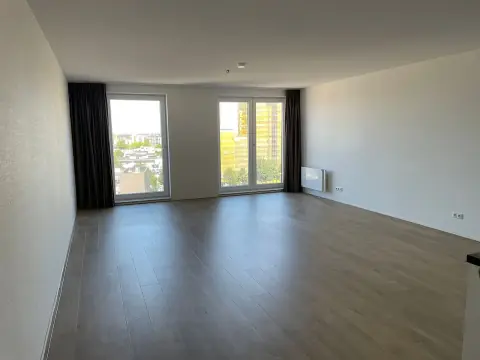
The security deposit, known in Dutch as the borg, is a standard and expected part of almost every rental transaction. It's a sum of money held by the landlord throughout your tenancy, intended to serve as a financial cushion against two primary risks: the tenant failing to pay rent, or the tenant causing damage to the property beyond normal wear and tear. In principle, this is a reasonable arrangement. In practice, the return of the security deposit is one of the most common points of friction between landlords and tenants at the end of a lease. Many tenants view the borg as a fund that will inevitably be subjected to questionable deductions, while many landlords view it as a necessary tool to protect their investment from irresponsible renters. The truth, as always, lies somewhere in between, but the legal framework has recently been tightened to offer tenants more protection against arbitrary withholdings.
A crucial piece of legislation, the Good Landlordship Act (Wet goed verhuurderschap), came into effect on July 1, 2023, and it sets clear, legally binding rules for security deposits on all new contracts signed after this date. The most important rule is that the deposit is now capped at a maximum of two times the bare monthly rent (kale huur). A landlord asking for three months' rent as a deposit, a practice that was common before, is now acting illegally. Furthermore, the law stipulates a clear timeline for the return of the deposit: it must be refunded to the tenant within 14 days of the legal termination of the tenancy agreement, unless there are justified deductions. If the landlord does make deductions, they have up to 30 days to return the remaining amount and must provide the tenant with a complete and itemized list specifying the costs of repairs or covering the outstanding rent.
The most frequent cause of disputes over the deposit is the definition of 'damage'. A landlord can legally deduct costs to repair damages caused by the tenant, but they cannot charge for normal wear and tear (normale slijtage). This distinction is critical.
The problem, of course, is that the line between these two can be blurry, and some landlords will try to classify every minor imperfection as 'damage'. This is where the importance of a check-in report (inspectierapport or opnamestaat) cannot be overstated. This is a detailed report, created at the very beginning of your tenancy, that documents the condition of the property, room by room, including any existing scratches, marks, or defects. It should be accompanied by extensive, time-stamped photographs and signed by both you and the landlord. Without a signed check-in report, the law generally presumes that the property was in good condition when you received it, making it much harder for you to dispute a landlord's claim that you caused certain damages.
If you find yourself at the end of your tenancy and your landlord is unfairly withholding your deposit or providing a list of unreasonable deductions, do not simply accept it. Your first step should be to send a formal written objection. Dispute the specific charges you believe are unfair (e.g., for normal wear and tear) and reference your check-in report and photos as evidence. State the amount you believe you are owed and give them a deadline to pay (e.g., 14 days).
If the landlord still refuses to pay, your next step is to send a formal demand letter (ingebrekestelling) by registered post (aangetekende brief). This is a formal legal step that informs the landlord they are in default and is often a prerequisite for any further legal action. If even this fails, your recourse is the civil court system. While the prospect of legal action can be daunting, especially for a relatively small amount of money, it is often the only way to deal with a recalcitrant landlord. The threat of a lawsuit is what many landlords rely on tenants not pursuing. Organizations like the Juridisch Loket can offer initial advice, and for tenants with legal insurance, it can be a straightforward process. Remember, the deposit is your money, not a bonus for the landlord. Protecting it starts with a thorough check-in and ends with a firm assertion of your rights.

€1,159.00 / month

€600.00 / month

€932.00 / month

€1,187.00 / month

€1,845.00 / month

€933.00 / month

€1,899.00 / month

€765.00 / month

€714.00 / month

€1,596.00 / month

€714.00 / month

€1,210.00 / month