
Accessibility and Adaptation Grants
Financial support, primarily from the local municipality via the Wmo Act, to help residents with disabilities or age-related issues adapt their homes for safe and independent living.

Gemeentelijke belastingvrijstelling
A municipality tax exemption, or 'kwijtschelding', is a waiver for local taxes granted by the municipality to residents with very low income and minimal assets.
Every household in the Netherlands is required to pay annual municipal taxes (gemeentelijke belastingen). These taxes cover local services such as waste collection (afvalstoffenheffing) and water board management (waterschapsbelasting). For households with very low income and negligible assets, paying these taxes can be a significant financial hardship. To address this, municipalities offer a tax exemption, known as kwijtschelding. This is a formal waiver of the obligation to pay some or all of the municipal taxes for a given year. It is not an automatic process; it is a form of social assistance that must be actively applied for.
Eligibility for the exemption is determined by a strict means test. The municipality, or the regional tax authority that collects taxes on its behalf, will perform a detailed assessment of the household's financial situation. This includes their net income, any government benefits they receive, and their 'ability to pay' (betalingscapaciteit). Critically, it also includes a wealth test. If a household has savings or assets (like a car) above a very modest threshold, they will be deemed ineligible for the exemption, as they are expected to use their assets to pay the tax bill.
While the kwijtschelding is a vital part of the social safety net for low-income Dutch residents, it is generally not relevant for the vast majority of the expat population, particularly those who have moved to the Netherlands for work. Expats on highly skilled migrant visas, by definition, have an income that far exceeds the low-income threshold required to qualify for the tax exemption. The system is designed to support those at or near the social minimum income level, a category that professional expats do not fall into. The application process is also administratively intensive, requiring detailed proof of all income and assets, and is conducted entirely in Dutch.
Therefore, while it is useful to be aware of this provision as part of understanding the Dutch social system, it is not a benefit that most expats should expect to be eligible for. Every household, including those of expats, will receive the annual municipal tax assessment in their mailbox early in the year, and they are fully expected to pay it. The only exception might be certain international students or researchers with very limited grant funding, but even they would face a high bar to prove their eligibility.
Table of Contents
Terms from the same part of the rental process, so you can read them together instead of looking each one up separately.
Financial support, primarily from the local municipality via the Wmo Act, to help residents with disabilities or age-related issues adapt their homes for safe and independent living.
Grants for attic insulation are available to property owners (landlords, VvEs) through the ISDE scheme, but not directly to tenants.
A specific, often temporary and localized, subsidy that may be offered to property owners to help with the high costs of repairing or reinforcing aging balconies.
A bicycle storage subsidy is financial aid for creating secure bike parking, typically aimed at property owners' associations or developers, not individual tenants.
Broadband rollout grants are government funds for network operators to connect underserved rural areas, not for individual tenants.
The capping limit, or 'aftoppingsgrens', is a specific rent threshold within the Dutch housing allowance system that reduces the subsidy for households with lower incomes in relatively expensive homes.
Read Municipality Tax Exemption through exceptions, Dutch context, and documents, not as advice for an individual housing case.
Every glossary entry that belongs to Subsidies and Allowances, collected on one page.
See TermsLook up a term, abbreviation or contract phrase and get a plain-language explanation with Dutch and English wording.
Search termsLonger guides that walk through applications, contracts, costs and moving, with the terminology used in context.
Read the guidesExplore the latest properties added to Luntero. Find new apartments, houses, and studios across the Netherlands — updated daily to help you discover your next home faster.
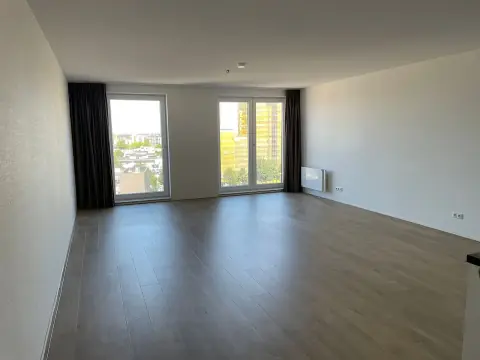
€1,159.00 / month
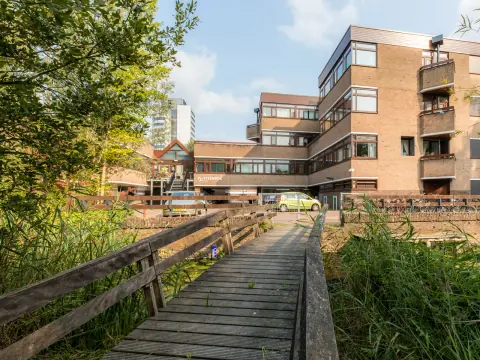
€600.00 / month
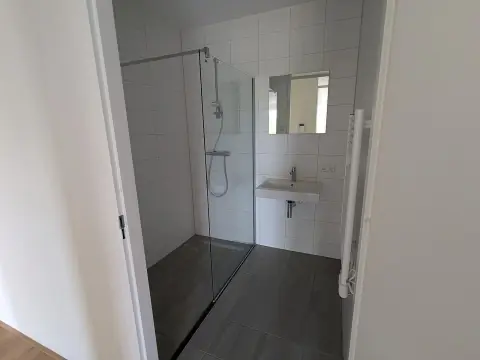
€932.00 / month
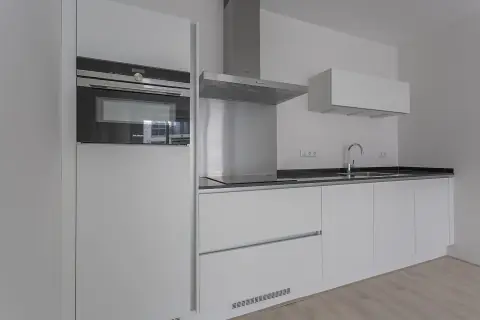
€1,187.00 / month
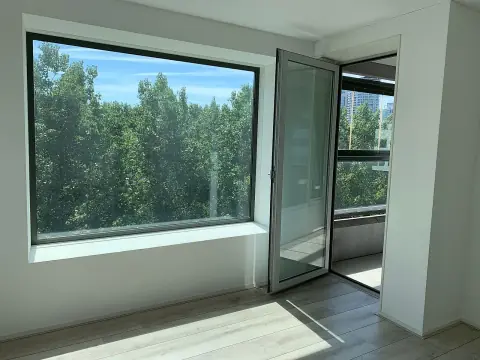
€1,845.00 / month
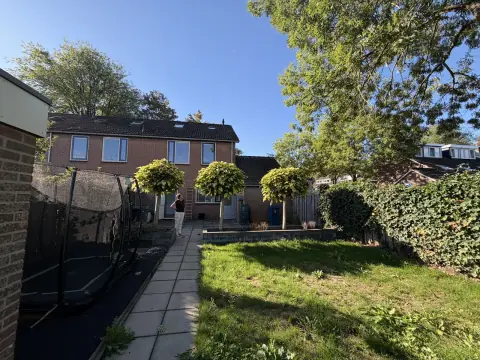
€933.00 / month
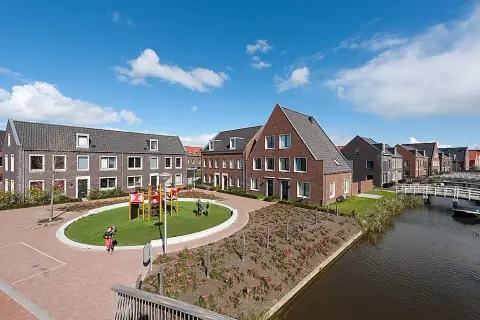
€1,899.00 / month
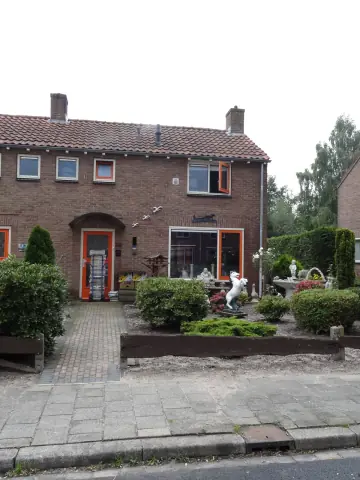
€765.00 / month
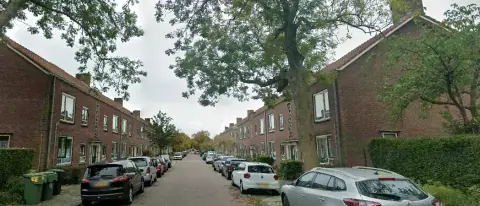
€714.00 / month

€1,596.00 / month
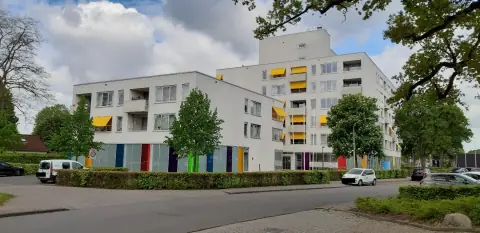
€714.00 / month
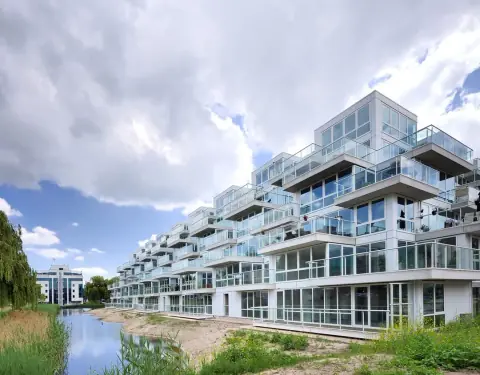
€1,210.00 / month
Luntero brings represented apartments, rooms, studios and houses from Dutch rental sources into one searchable place. Use the available filters to narrow your options, then check the original listing for current availability, price, conditions and application steps.
Browse rental listings collected from Funda, Pararius, Kamernet and other supported sources in one place. Coverage is broad but not exhaustive, and the original listing remains authoritative.
Navigate our clean and straightforward design effortlessly on both desktop and mobile devices for a seamless apartment, house, or room hunting experience in the Netherlands.
Browse rental listings in English, Dutch, Spanish, French, German, and more. Luntero ensures you can find your next home in the Netherlands in the language you're most comfortable with.
Luntero refreshes collected listings regularly and search alerts email new matches after a successful check. A source can change between refreshes, so verify decisive details there.