
Accessibility and Adaptation Grants
Financial support, primarily from the local municipality via the Wmo Act, to help residents with disabilities or age-related issues adapt their homes for safe and independent living.

Fietsenstalling Subsidie
A bicycle storage subsidy is financial aid for creating secure bike parking, typically aimed at property owners' associations or developers, not individual tenants.
It is one of the great paradoxes of Dutch urban life: in a country with more bicycles than people, finding a safe and convenient place to park your bike is a chronic and frustrating problem. The lack of adequate storage in older apartment buildings leads to two negative outcomes: rampant bicycle theft from the streets and hallways dangerously cluttered with bikes, creating a serious fire hazard. While the government recognizes this problem, its solutions in the form of subsidies are almost never aimed at the individual tenant. You cannot get a grant to buy a high-quality lock or to install a bike rack on your own balcony. The subsidies that exist are designed to encourage collective, building-wide solutions, tackling the problem at a larger scale.
When municipalities offer subsidies for bicycle storage, they are targeted at entities that own and manage property, namely the Vereniging van Eigenaars (VvE) or housing corporations (woningcorporaties). The goal is to incentivize these groups to invest in permanent, secure, and shared bicycle parking facilities. A typical municipal program might offer a co-funding grant where the city pays for a percentage of the total cost of a project. This could involve, for example, converting an underutilized storage area in the building's basement into a proper bike room with racks and secure access. It could also fund the installation of covered and lockable bike racks in the building's courtyard or garden. The logic is that subsidizing one collective project that creates space for 50 bikes is far more efficient than dealing with 50 individual requests. For tenants, this means the path to better bike storage is through advocacy and collective action within their own building, not through individual grant applications.
A proactive tenant who is tired of hauling their bike up three flights of stairs should take on the role of an organizer. The first step is to raise the issue with your landlord or at the annual meeting of your VvE. Research your municipality's website for any current subsidies for fietsenstallingen (bicycle storage) and present this information to the decision-makers. A well-researched proposal that includes a potential funding source is much harder to ignore. In parallel, tenants should investigate the alternative solutions provided by the municipality itself. Many large cities, such as Amsterdam and Utrecht, are actively investing in neighborhood-level secure bike parking, known as a buurtstalling. These are often converted shops or small garages where residents can rent a personal, numbered spot for their bicycle for a modest monthly fee (e.g., €10-€15). This provides a secure and insured parking space within a short walk of your home. For many tenants, renting a spot in a buurtstalling is the most immediate and practical solution to the bike storage problem.
Table of Contents
Terms from the same part of the rental process, so you can read them together instead of looking each one up separately.
Financial support, primarily from the local municipality via the Wmo Act, to help residents with disabilities or age-related issues adapt their homes for safe and independent living.
Grants for attic insulation are available to property owners (landlords, VvEs) through the ISDE scheme, but not directly to tenants.
A specific, often temporary and localized, subsidy that may be offered to property owners to help with the high costs of repairing or reinforcing aging balconies.
Broadband rollout grants are government funds for network operators to connect underserved rural areas, not for individual tenants.
The capping limit, or 'aftoppingsgrens', is a specific rent threshold within the Dutch housing allowance system that reduces the subsidy for households with lower incomes in relatively expensive homes.
Community maintenance grants are small funds available to organized resident groups, like tenant associations, for local improvement projects.
Read Bicycle Storage Subsidy through exceptions, authority, and eligibility, not as advice for an individual housing case.
Every glossary entry that belongs to Subsidies and Allowances, collected on one page.
See TermsLook up a term, abbreviation or contract phrase and get a plain-language explanation with Dutch and English wording.
Search termsLonger guides that walk through applications, contracts, costs and moving, with the terminology used in context.
Read the guidesExplore the latest properties added to Luntero. Find new apartments, houses, and studios across the Netherlands — updated daily to help you discover your next home faster.
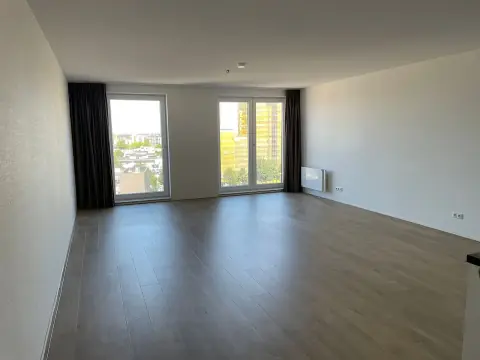
€1,159.00 / month
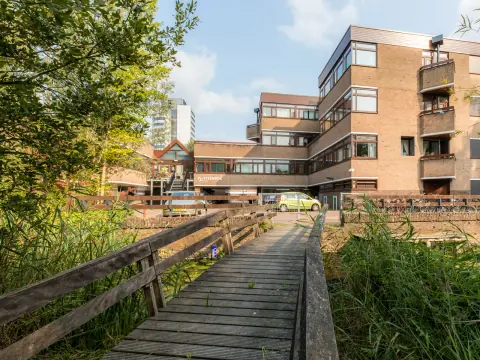
€600.00 / month
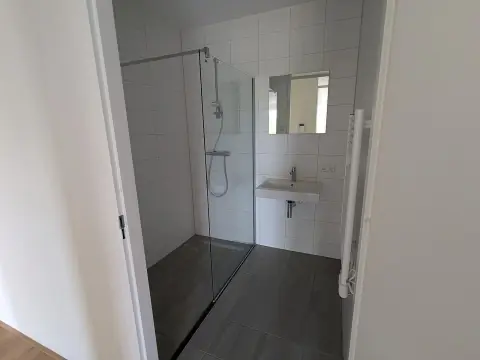
€932.00 / month
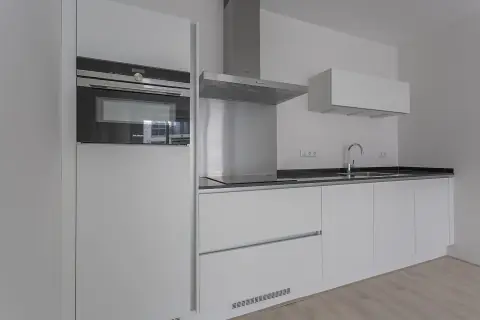
€1,187.00 / month
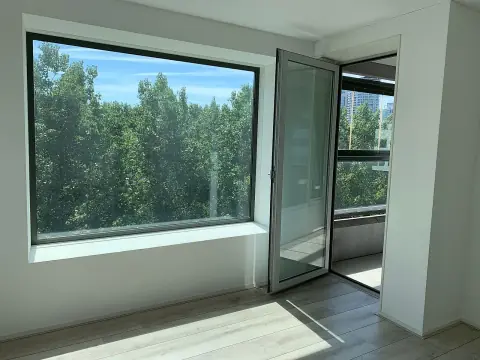
€1,845.00 / month
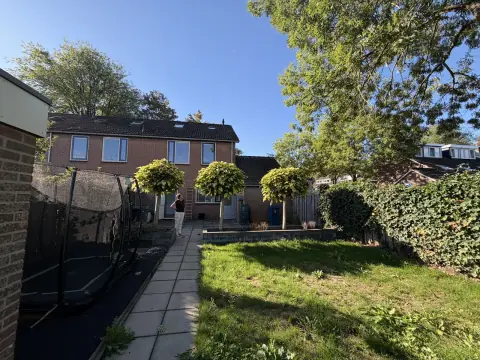
€933.00 / month
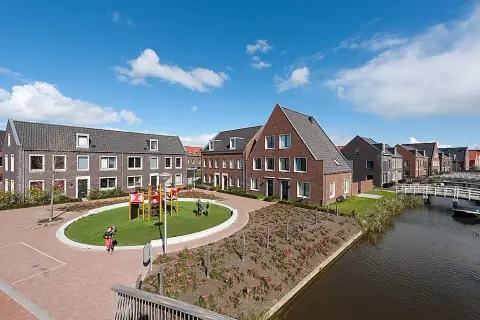
€1,899.00 / month
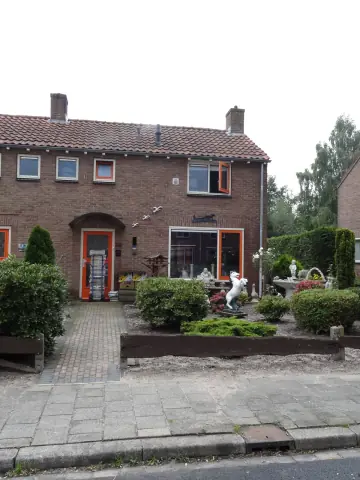
€765.00 / month
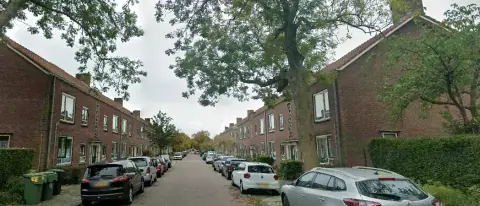
€714.00 / month

€1,596.00 / month

€714.00 / month
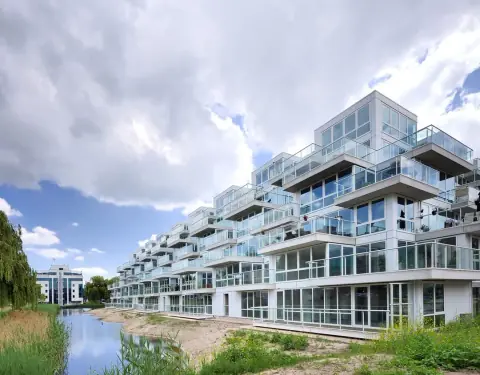
€1,210.00 / month
Luntero brings represented apartments, rooms, studios and houses from Dutch rental sources into one searchable place. Use the available filters to narrow your options, then check the original listing for current availability, price, conditions and application steps.
Browse rental listings collected from Funda, Pararius, Kamernet and other supported sources in one place. Coverage is broad but not exhaustive, and the original listing remains authoritative.
Navigate our clean and straightforward design effortlessly on both desktop and mobile devices for a seamless apartment, house, or room hunting experience in the Netherlands.
Browse rental listings in English, Dutch, Spanish, French, German, and more. Luntero ensures you can find your next home in the Netherlands in the language you're most comfortable with.
Luntero refreshes collected listings regularly and search alerts email new matches after a successful check. A source can change between refreshes, so verify decisive details there.