
Research universities
The Dutch research universities teach academic bachelor's and master's programmes. Open the list to see each institution, the cities where it has a campus and the routes to housing in those cities.
Research universitiesPractical, career-oriented study and where to find it
Universities of applied sciences, called hogescholen or HBO institutions in Dutch, prepare students for a profession through practical bachelor's and master's programmes with a close link to professional practice. They are publicly funded and can be found in cities across the country. Browse the institutions, see where their campuses are and continue to housing in those cities.
Other kinds
Degrees at universities of applied sciences
Sorted by total enrolment in 2025/2026, from DUO figures. Together they have 439,676 students. Each card shows where the institution teaches, its study areas, degree levels and teaching languages.
Student numbers are total enrolment per institution in 2025/2026, from DUO, the Dutch education executive agency. They cover government-funded institutions only and count students at all locations, not per city.
139 campuses and teaching locations in 43 Dutch cities. Tap a mark to see the institution, then open its profile for study areas, teaching languages and student housing nearby.
How many of the 36 institutions offer at least one programme in each of the ten study areas of the Dutch higher-education register. Compare it with the other kinds to see where your subject is taught.
Study areas and degree levels come from the official higher-education register (RIO), teaching languages from the institutions' own sites. A match means the institution offers at least one programme in it, not that every programme does.
How research universities, universities of applied sciences and private institutions differ in focus, funding, tuition fees and the students they suit. Use it to decide between academic (wo) and professional (hbo) study before you shortlist institutions.
| Feature | Research universities | Universities of applied sciencesThis page | Private institutions |
|---|---|---|---|
| Institutions | 18 | 36 | 29 |
| Focus | Academic: theory, research and analysis | Professional: practice, projects and internships | Academic or professional, depending on the programme |
| Associate degree | Not offered | 2 years, 120 EC | Varies by programme |
| Bachelor's degree | Usually 3 years, 180 EC | 4 years, 240 EC | Varies by programme |
| Master's degree | Usually 1 or 2 years, 60 to 120 EC | Usually 1 or 2 years, 60 to 120 EC | Varies by programme |
| Funding | Government-funded | Government-funded | No government funding |
| Tuition fees | Statutory fee for most EU/EEA students on a first degree, institutional fee for others | Statutory fee for most EU/EEA students on a first degree, institutional fee for others | Set by the institution; the statutory fee does not apply |
| Suits | Students aiming for research, an academic career or a broad theoretical base | Students who want a profession-ready degree with work placements | Students looking for a specialised programme or a smaller institution |
Degree lengths are the usual ones; some programmes, such as medicine or research master's, take longer. Fees change every academic year, so check them with the institution.
Short answers about this kind of institution in the Netherlands, with figures from the institutions listed here.
A university of applied sciences (hogeschool, hbo) teaches professional programmes that prepare you for a specific occupation, with internships and practical projects. Luntero lists 36 of them, teaching at 139 locations in 43 cities. The largest by enrolment is Amsterdam University of Applied Sciences.
A university of applied sciences suits you if you want to learn a profession by doing: projects, internships and a degree aimed at work. A research university is more theoretical and research-driven. The comparison table on this page shows the differences side by side.
For most programmes you apply through Studielink, the national application system. Some programmes have a fixed number of places or extra selection, with earlier deadlines. Check the programme page for its admission requirements.
Universities of applied sciences charge the statutory tuition fee (wettelijk collegegeld) to most EU/EEA students taking their first degree, and a higher institutional fee to others. The amount changes every academic year, so check the institution's own fee page.
Research universities teach academic programmes with a strong research focus. Read about that type to compare how the two kinds of institution differ before you choose.
The Dutch research universities teach academic bachelor's and master's programmes. Open the list to see each institution, the cities where it has a campus and the routes to housing in those cities.
Research universitiesRecognised private universities, business schools and specialised colleges. Open the list to see each institution, the city of its campus and what it says about housing for students.
Private institutionsCombine institution type, study area, degree level, language of instruction and city to shortlist where you could study. Every result links to a profile with its campus locations and housing information.
Search universitiesExplore the latest properties added to Luntero. Find new apartments, houses, and studios across the Netherlands — updated daily to help you discover your next home faster.
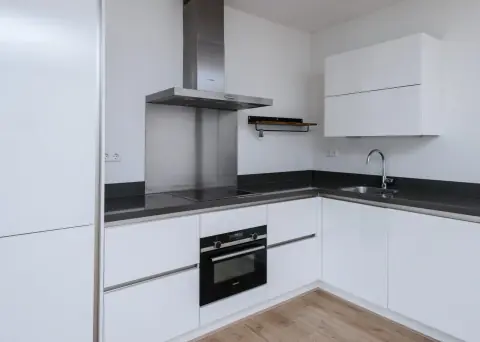
€1,922.00 / month
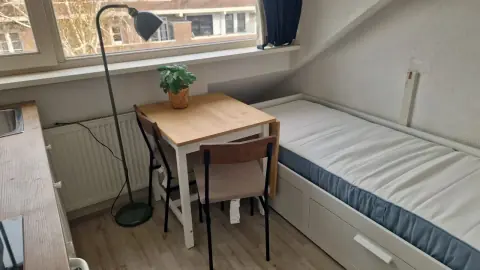
€655.00 / month
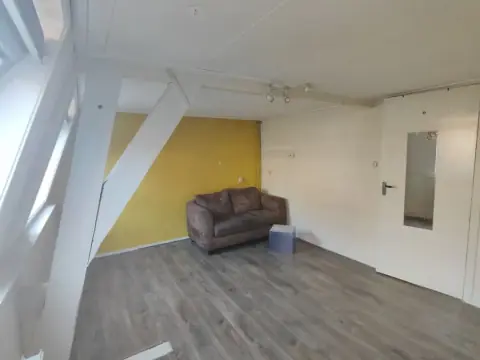
€600.00 / month

€2,500.00 / month
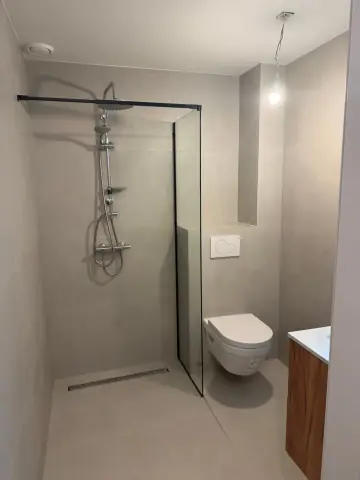
€995.00 / month
€1,150.00 / month

€1,315.00 / month
€995.00 / month
€2,000.00 / month
€1,250.00 / month
€1,749.00 / month
€1,055.00 / month