
Student rooms on the private market
Not every student finds a place through a student housing provider. Search rooms, studios and apartments for rent from private landlords and agencies across the Netherlands.
Search rental listingsStart with a city or provider, then examine the residence and application route
A residence profile can help you understand the building, the accommodation types and the organisation involved before you decide where to apply. Browse the represented Dutch cities and housing providers, then check the documented facilities and application guidance for a residence. Registration, eligibility and available rooms must be confirmed through the relevant official channel.
Student cities
Student housing is concentrated in university cities, and each city has its own mix of providers and accommodation types. Leiden has the most residences in the directory; smaller cities often rely on one or two providers. Open a city to compare its student complexes, see which providers operate there and whether rooms with shared kitchens or self-contained studios dominate the local offer.
More student cities
How students get a room
Student rooms in the Netherlands are not rented out like regular apartments. Across the 865 residences in this directory, every profile shows how its provider hands out rooms: through a general registration with a waiting list, a direct application for one building, or a quota your university or university of applied sciences manages for its own students. Knowing the route tells you where to register, how early to start and which official page decides.
Luntero does not rent out rooms or take applications. Every application happens on the provider's own official page.
Route 1
You create an account with the housing provider first, often paying a registration fee, and then respond to the rooms it advertises. Register as early as you can, because many providers give the room to the candidate who has been registered the longest.
Most used by DUWO, Woonstad Rotterdam, Lefier, Stichting Huisvesting Werkende Jongeren
Route 2
You apply or book for this specific building on the provider's own website, without a general waiting list. Typical for private student housing operators and short-stay residences with fixed booking periods.
Most used by Lefier, SSH&, StudentStay, Xior Student Housing
Route 3
Rooms are reserved for students of a university or university of applied sciences, and you request them through your institution's housing office, usually as part of your admission as an international or exchange student.
Most used by DUWO, University of Twente, Vechtdal Wonen, SSH
Accommodation types
The accommodation type decides what you share, what you pay and which benefits you can claim. Rooms with shared facilities are by far the most common type in Dutch student housing, while studios and self-contained homes cost more but come with your own kitchen and bathroom. The bar shows how often each type appears across the residences in the directory; a residence offering two types counts for both.
Your own spaceShared with housemates
Housing providers
Most Dutch student rooms are run by a small group of non-profit student housing foundations and housing corporations, joined by private student housing operators and universities with their own guest housing. Each provider has its own registration rules, fees and waiting times, so registering with the right providers in your study city early matters more than anything else. These are the 63 providers in the directory with the most residences.
Counts include every residence a provider operates, manages or takes applications for. A residence with two involved organisations counts for both.
Rent examples
76 residence profiles carry a rent example published on the provider's own website. The bars compare the lowest monthly example per residence in each city with three or more examples: the blue range runs from the lowest to the highest example and the dark marker shows the median. Totals include service costs where the provider lists them, so they are closer to what you actually pay than the base rent alone.
Before you apply
Student housing in the Netherlands rewards preparation: registration time, the right route and a clear budget decide more than luck. Use these checks before you register with a provider or respond to a room, then confirm the details on the provider's official page.
Providers that work with a general registration often give rooms to the candidate with the longest registration time. Register as soon as you know your study city, check whether a registration fee applies and whether you have to renew the registration each year.
Some residences only accept applications through the provider's own system, others through your university's housing office. International and exchange students often get a separate quota, so ask your institution before you register elsewhere.
The total monthly rent combines the base rent (kale huur) and service costs for things like energy, internet, furniture or cleaning. Add a deposit and possible registration fees, and only count on rent benefit (huurtoeslag) for a self-contained home when you meet the conditions.
Many student rooms come with a campus contract (campuscontract): you may only live there while you are enrolled and you show proof of enrolment each year. Short-stay housing for international students uses fixed-term contracts that end on a set date.
Real student housing providers never ask you to transfer a deposit before you have signed a contract with them. Apply through the provider's own website, check the address exists in this directory and be wary of rooms offered only through social media messages.
Every residence profile links to the official page where its provider handles registrations or applications, together with the accommodation types and room facts the provider publishes.
FAQ
Short answers on registering, room types, rent, contracts and benefits for students looking for housing in a Dutch university city.
Most student housing is offered by student housing providers rather than on regular rental websites. This directory lists 865 student residences in 34 cities from 63 providers, each with the official page where you register or apply. Start with your study city, register with the providers active there and keep an eye on the private rental market as a backup.
For many providers, yes. Student housing foundations and housing corporations often work with a general registration: you create an account, sometimes pay a registration fee and then respond to rooms as they are advertised. Registration time often counts, so register as early as possible. Other residences take direct applications per building or allocate rooms through universities.
A room is your own bedroom with a shared kitchen, bathroom and toilet. A studio is a single space with your own kitchenette and usually your own bathroom. A self-contained home (zelfstandige woonruimte) has its own front door, kitchen, bathroom and toilet, and is the type that can qualify for rent benefit. Each residence profile shows which types its provider offers.
It depends on the city, the accommodation type and what the service costs cover. 76 residence profiles in this directory show a monthly rent example published by the provider, including service costs where listed. Rooms with shared facilities are the cheapest option, studios and self-contained homes cost more. Always check the current rent on the provider's official page.
Many universities reserve rooms for international and exchange students, usually through a partner such as a student housing foundation or a short-stay provider. Ask your university's housing office before you arrive, apply as soon as the offer opens and look at residences whose route says the rooms go through your institution.
A campus contract (campuscontract) is a tenancy agreement for student housing that only runs while you are a student. You usually have to show proof of enrolment every year and move out within a set period after you graduate or stop studying, so the room becomes available for the next student.
Students can receive rent benefit when they rent a self-contained home with its own front door, kitchen and toilet, are at least 18 and meet the income and rent conditions of the Dutch Tax Administration. Rooms with shared facilities generally do not qualify, with a few exceptions. Check the conditions with the Belastingdienst before you rely on it.
No. Luntero does not rent out rooms and does not take applications or bookings. The directory explains which provider runs each residence and links to the official page where you register or apply. For private rentals, Luntero's rental search collects listings from many Dutch rental websites.
Once you have a room, the next steps are insurance for your belongings, internet when it is not included and a backup search on the private rental market if the waiting list is long.
Not every student finds a place through a student housing provider. Search rooms, studios and apartments for rent from private landlords and agencies across the Netherlands.
Search rental listingsYour provider insures the building, not your laptop or bike. Compare contents and liability insurance before you collect the keys to your student room.
Compare insuranceMany student rooms include internet, but self-contained studios and apartments often do not. Compare fibre, cable and DSL plans by speed and contract length.
Compare internet plansExplore the latest properties added to Luntero. Find new apartments, houses, and studios across the Netherlands — updated daily to help you discover your next home faster.
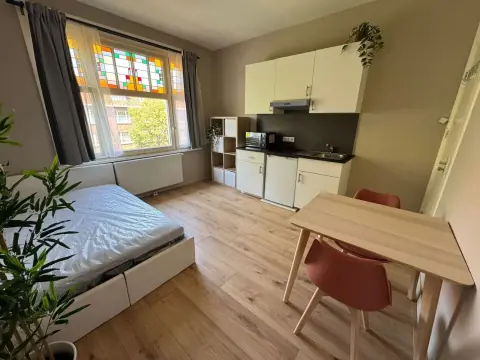
€900.00 / month
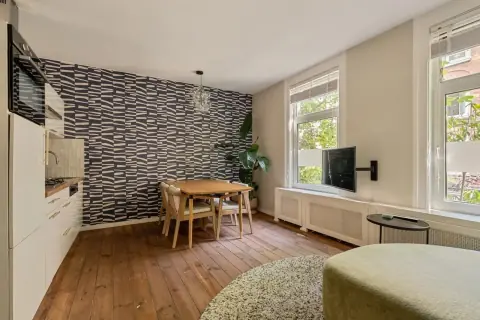
€1,580.00 / month
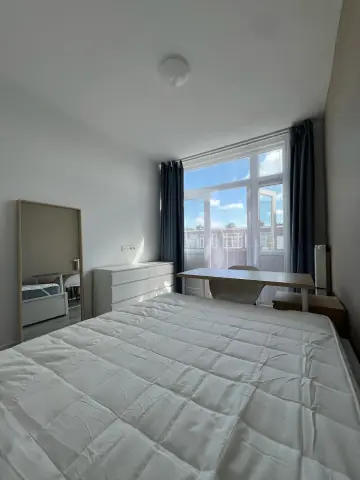
€795.00 / month
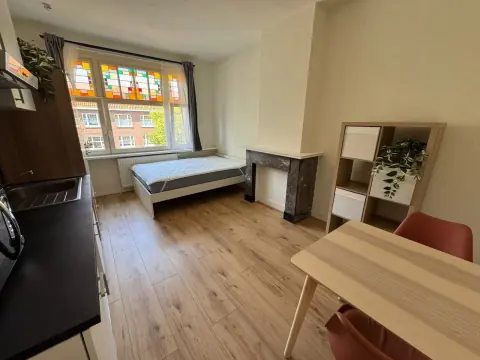
€875.00 / month
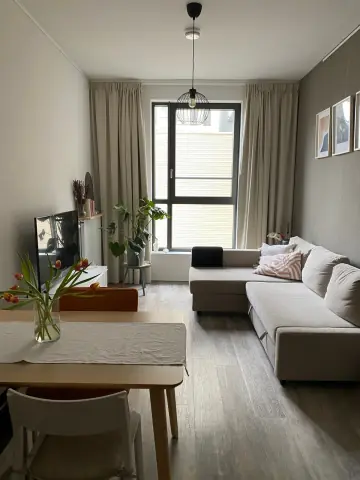
€1,450.00 / month
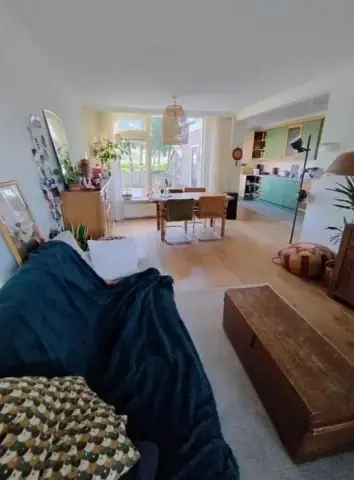
€750.00 / month
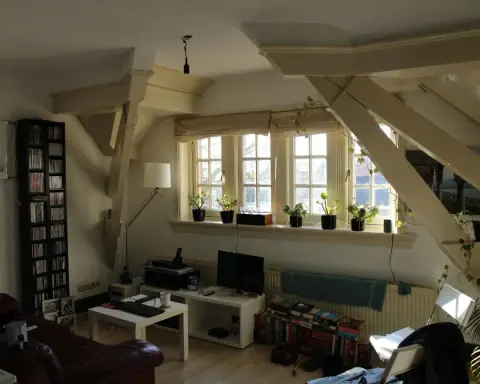
€940.00 / month
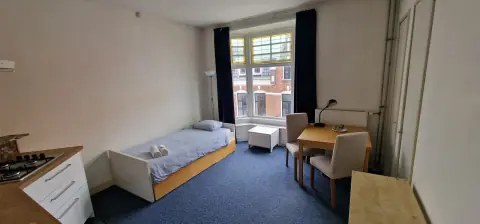
€835.00 / month
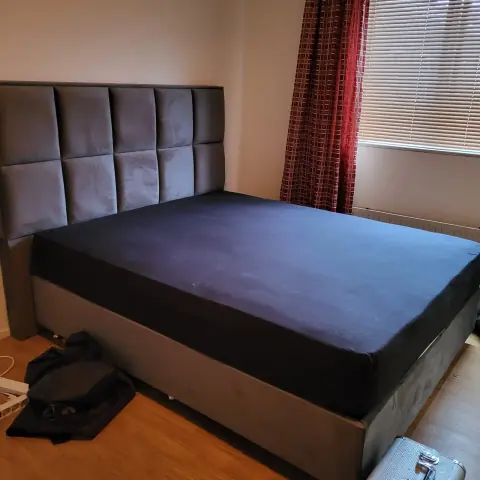
€650.00 / month
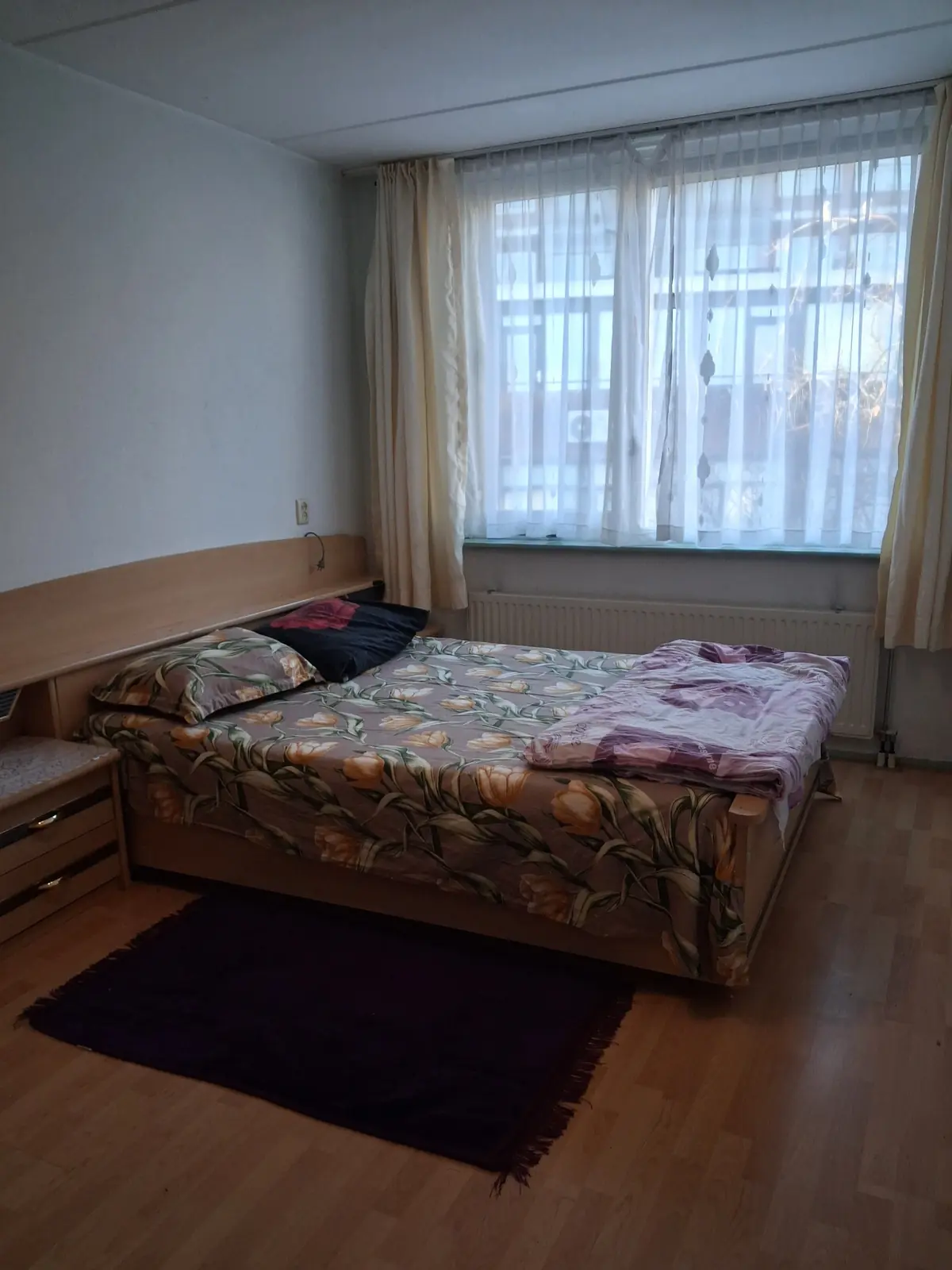
€600.00 / month
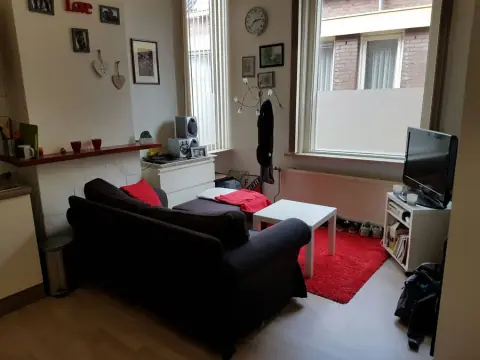
€875.00 / month
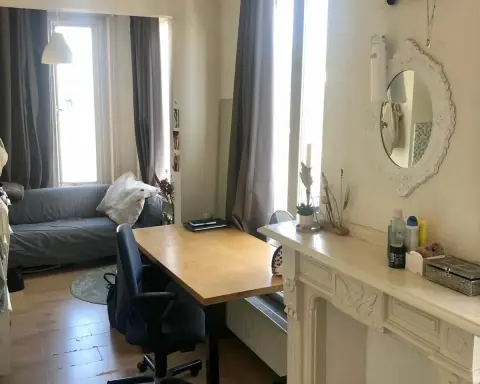
€775.00 / month