
Rental market metrics
Median and average asking rent, price per square meter, time on market, supply volume and the rest of the indicator library.
Browse metricsTime on market shows how quickly rental homes in Goes tend to leave active supply. Read Time on Market in Goes as a signal shaped by property category, unit, and geography, rather than a complete market verdict. Shorter periods usually point to stronger renter demand and faster absorption, while longer periods can signal softer urgency, pricing that needs adjustment, or a market that is clearing more slowly. It is most useful when read as a trend, not a single snapshot.
The median number of days helps show the typical speed of rental absorption in Goes. Compare changes over time to see whether homes are moving faster or lingering longer, and treat sudden jumps or dips with care because a small mix of listings can shift the result.
Figures come from the rental listings Luntero represents for the selected period. Sample sizes differ per location and month, so read short movements together with the underlying listing counts rather than as exact market wide changes.
Time on market shows how quickly rental homes in Goes tend to leave active supply. Shorter periods usually point to stronger renter demand and faster absorption, while longer periods can signal softer urgency, pricing that needs adjustment, or a market that is clearing more slowly. It is most useful when read as a trend, not a single snapshot.
Read Time on Market — Goes as a bounded market observation whose usefulness depends on consistent definitions and coverage. Interpret Time on Market in Goes with observation count, coverage, and comparison attached to the reported value.
Shorter time on market in Goes usually points to stronger renter competition and faster clearing of available homes.
Longer durations can indicate weaker urgency, higher asking rents, or a broader build-up of supply.
The median is useful because a few unusually slow listings do not dominate the signal.
Trend changes matter more than one reading, especially when the local mix of homes shifts.
Comparing Goes with other Zeeland locations can show whether demand is unusually tight or simply following the regional pattern.
Use the trend to judge whether renter demand is absorbing supply quickly or slowing down.
Compare Goes with nearby Zeeland markets to separate local tightness from regional conditions.
Read longer durations as a possible sign of pricing friction rather than weak housing interest alone.
Watch for composition effects when the mix of homes changes from month to month.
This page documents one indicator. The Goes overview brings the median advertised rent, cost per square metre, three trend windows, listing supply and the bedroom, property-type and furnishing mix together in a single reading.
Stay in Goes and switch the question. The same represented listing sample powers every metric and report below, so you can move from asking rent to price per square meter, supply, space and neighbourhood detail without losing the local context.
Compare Time on Market by Location across supported Dutch locations using the represented listing sample. Differences reflect the covered sources, period and methodology and should not be treated as complete local-market or demand measurements.
Use period to frame Time on Market in Goes, then inspect housing mix and source before comparing results. Use time on market in Goes as the local starting point, then open the national view and compare only results with matching definitions, periods, units, aggregation, and coverage.
Median and average asking rent, price per square meter, time on market, supply volume and the rest of the indicator library.
Browse metricsMulti measure analyses of pricing, supply, composition, space, affordability and market speed across the Netherlands and its cities.
Browse reportsSee the apartments, rooms and houses currently advertised in Goes and filter them by price, size and property type.
Search Goes rentalsHave an idea for a new housing market chart, dataset, or analysis? Submit your request and help shape the next generation of Luntero’s rental market insights. Whether it’s a new metric, city comparison, or visualization, your input helps us expand coverage of Dutch housing trends and create data tools that serve renters, investors, and researchers across the Netherlands.
Explore the latest properties added to Luntero. Find new apartments, houses, and studios across the Netherlands — updated daily to help you discover your next home faster.
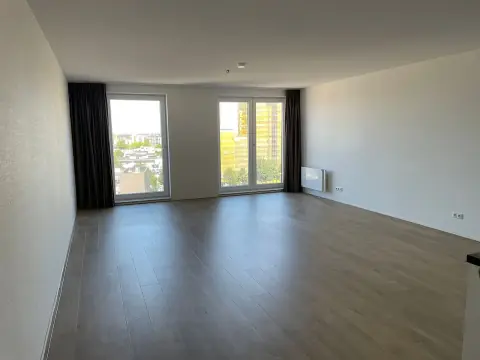
€1,159.00 / month

€600.00 / month
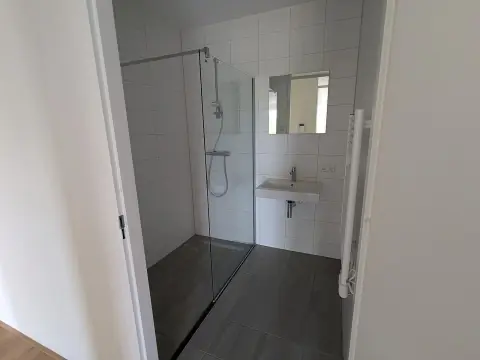
€932.00 / month
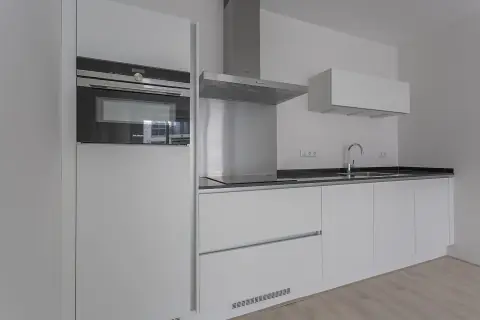
€1,187.00 / month
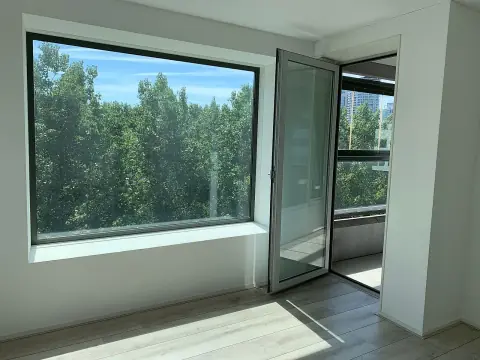
€1,845.00 / month
€933.00 / month

€1,899.00 / month
€765.00 / month
€714.00 / month

€1,596.00 / month
€714.00 / month

€1,210.00 / month