
Anti-Discrimination Laws
Dutch law provides robust, though sometimes difficult to enforce, protection against housing discrimination on various grounds including race, gender, religion, and income source.

Redelijke aanpassingen
Landlords are required to make effective adjustments for tenants with disabilities, provided they do not create a disproportionate burden.
In the landscape of tenant rights, the concept of 'reasonable adjustments' is a crucial pillar supporting those with disabilities. This is the Dutch legal equivalent of what is known in US law as "reasonable accommodation." It is not about a landlord doing a favor for a tenant; it is a legally enforceable right designed to ensure that people with disabilities can access and enjoy housing on an equal footing with everyone else. This right is primarily anchored in the Wet gelijke behandeling op grond van handicap of chronische ziekte (WGBH/CZ), which translates to the Act on Equal Treatment on the grounds of Disability or Chronic Illness. The central pillar of this law is the obligation to provide doeltreffende aanpassingen—effective adjustments.
The purpose of an 'effective adjustment' is to reduce or eliminate the barriers that a person's disability or chronic illness might create in the context of their housing. The responsibility for considering and implementing these adjustments generally falls on the landlord. A landlord cannot, for example, issue a blanket refusal to rent to a person because they use a wheelchair or have a guide dog. Instead, they have a legal duty to enter into a dialogue and explore what adjustments could be made to make the property suitable. This shifts the dynamic from a simple yes/no transaction to a collaborative process, though in practice, it can often feel like an uphill battle for the tenant.
The scope of what qualifies as an doeltreffende aanpassing is broad and highly situational. It is not a one-size-fits-all checklist. Simple, low-cost adjustments are almost always considered mandatory. For instance, a landlord must permit a tenant to install grab bars in the shower, or must allow a certified assistance dog (hulphond) even in a building with a strict 'no pets' policy, as the dog is considered an essential aid, not a pet. Other examples include replacing standard doorknobs with lever handles for someone with arthritis, or installing a special doorbell with a flashing light for a tenant who is deaf or hard of hearing.
However, the law distinguishes between these types of adjustments and major structural modifications. A landlord is not typically required to undertake massive, costly projects like installing an elevator in a three-story walk-up or fundamentally altering the layout of an apartment. This is where the landlord's primary legal defense comes into play: the concept of 'disproportionate burden.' The law recognizes that there is a limit to what can be asked of a private landlord.
A landlord can refuse to make an adjustment if they can prove it would impose an onevenredige belasting, or a disproportionate burden. This is the most significant point of contention. What, precisely, is 'disproportionate'? The term is intentionally subjective, requiring a case-by-case analysis that weighs several factors: the financial cost of the adjustment, the operational impact, the overall financial resources of the landlord, and, crucially, the benefit the adjustment would provide to the tenant. A landlord cannot simply claim an adjustment is 'too expensive' without justification. They are expected to have explored all options.
Here is where the system gets more complex, and where tenants must be proactive. For many substantial adjustments—like widening doorways or installing a stairlift—funding is often available from the municipality (gemeente) through the Wet maatschappelijke ondersteuning (Wmo), or the Social Support Act. A tenant often needs to apply for this funding themselves. A landlord who refuses an adjustment without considering the availability of such public subsidies is on very weak legal ground. A skeptical tenant should anticipate the 'cost' argument and come prepared with information about Wmo, effectively calling the landlord's bluff. If a dispute cannot be resolved, a tenant can bring a case to the Netherlands Institute for Human Rights (College voor de Rechten van de Mens), which can issue a ruling on whether the landlord's refusal constitutes discrimination.
Table of Contents
Terms from the same part of the rental process, so you can read them together instead of looking each one up separately.
Dutch law provides robust, though sometimes difficult to enforce, protection against housing discrimination on various grounds including race, gender, religion, and income source.
Dutch law strictly prohibits discrimination in the housing market based on a wide range of protected grounds.
CCTV cameras in or around a rental property are strictly regulated by privacy laws to protect tenants from surveillance.
The official and unofficial processes for resolving conflicts over the return of a rental deposit in the Netherlands.
Recent Dutch law mandates a strict timeline for the return of the security deposit, requiring a refund within 14 days if there are no damages.
A formal request made by a tenant for necessary adjustments to a property to make it accessible and livable for a person with a disability.
The Reasonable Adjustments (Disability) entry is most useful when the explanation connects exceptions with contracts and Dutch context.
Every glossary entry that belongs to Tenant Rights, collected on one page.
See TermsLook up a term, abbreviation or contract phrase and get a plain-language explanation with Dutch and English wording.
Search termsLonger guides that walk through applications, contracts, costs and moving, with the terminology used in context.
Read the guidesExplore the latest properties added to Luntero. Find new apartments, houses, and studios across the Netherlands — updated daily to help you discover your next home faster.
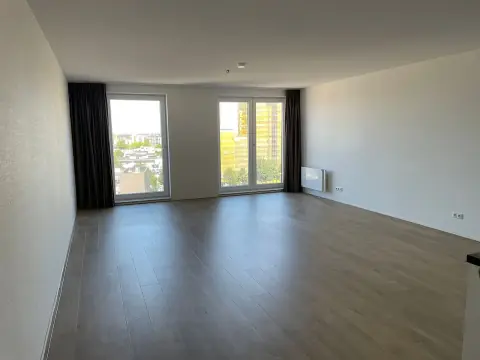
€1,159.00 / month
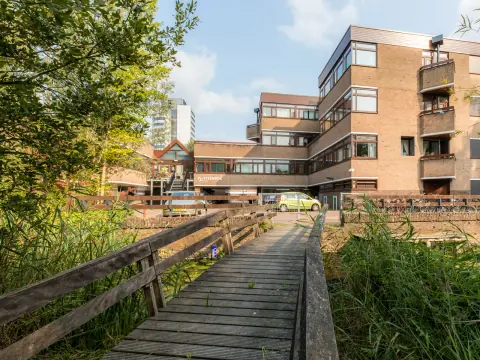
€600.00 / month
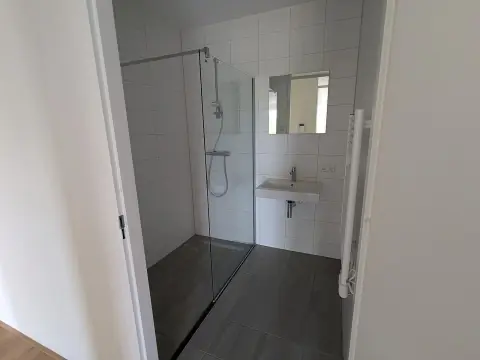
€932.00 / month
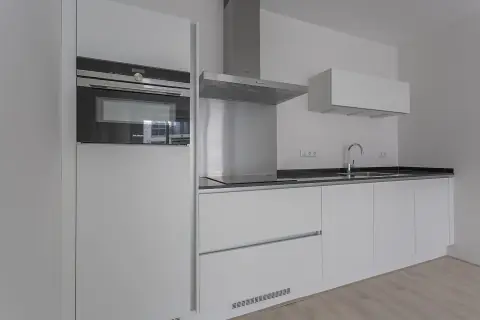
€1,187.00 / month
€1,845.00 / month
€933.00 / month
€1,899.00 / month
€765.00 / month
€714.00 / month

€1,596.00 / month
€714.00 / month
€1,210.00 / month
Luntero brings represented apartments, rooms, studios and houses from Dutch rental sources into one searchable place. Use the available filters to narrow your options, then check the original listing for current availability, price, conditions and application steps.
Browse rental listings collected from Funda, Pararius, Kamernet and other supported sources in one place. Coverage is broad but not exhaustive, and the original listing remains authoritative.
Navigate our clean and straightforward design effortlessly on both desktop and mobile devices for a seamless apartment, house, or room hunting experience in the Netherlands.
Browse rental listings in English, Dutch, Spanish, French, German, and more. Luntero ensures you can find your next home in the Netherlands in the language you're most comfortable with.
Luntero refreshes collected listings regularly and search alerts email new matches after a successful check. A source can change between refreshes, so verify decisive details there.