Dutch law provides robust, though sometimes difficult to enforce, protection against housing discrimination on various grounds including race, gender, religion, and income source.
Rustig woongenot
Quiet enjoyment is a tenant's fundamental right to use their rental property without undue disturbance from the landlord, their agents, or others.
Terms from the same part of the rental process, so you can read them together instead of looking each one up separately.
Dutch law provides robust, though sometimes difficult to enforce, protection against housing discrimination on various grounds including race, gender, religion, and income source.
Dutch law strictly prohibits discrimination in the housing market based on a wide range of protected grounds.
CCTV cameras in or around a rental property are strictly regulated by privacy laws to protect tenants from surveillance.
The official and unofficial processes for resolving conflicts over the return of a rental deposit in the Netherlands.
Recent Dutch law mandates a strict timeline for the return of the security deposit, requiring a refund within 14 days if there are no damages.
A formal request made by a tenant for necessary adjustments to a property to make it accessible and livable for a person with a disability.
Before relying on Quiet Enjoyment (Tenant Rights), distinguish exceptions from contracts and Dutch context. Use current official guidance or qualified advice where the term affects an individual decision.
Every glossary entry that belongs to Tenant Rights, collected on one page.
See TermsLook up a term, abbreviation or contract phrase and get a plain-language explanation with Dutch and English wording.
Search termsLonger guides that walk through applications, contracts, costs and moving, with the terminology used in context.
Read the guidesExplore the latest properties added to Luntero. Find new apartments, houses, and studios across the Netherlands — updated daily to help you discover your next home faster.
Luntero brings represented apartments, rooms, studios and houses from Dutch rental sources into one searchable place. Use the available filters to narrow your options, then check the original listing for current availability, price, conditions and application steps.
Browse rental listings collected from Funda, Pararius, Kamernet and other supported sources in one place. Coverage is broad but not exhaustive, and the original listing remains authoritative.
Navigate our clean and straightforward design effortlessly on both desktop and mobile devices for a seamless apartment, house, or room hunting experience in the Netherlands.
Browse rental listings in English, Dutch, Spanish, French, German, and more. Luntero ensures you can find your next home in the Netherlands in the language you're most comfortable with.
Luntero refreshes collected listings regularly and search alerts email new matches after a successful check. A source can change between refreshes, so verify decisive details there.
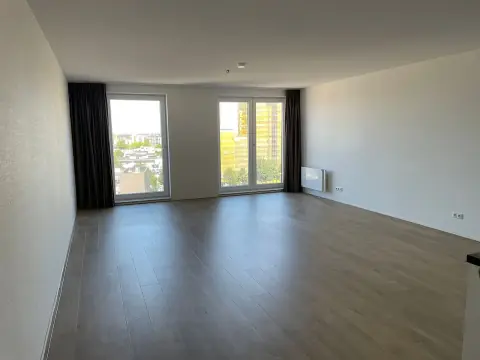
The right to quiet enjoyment, known in Dutch as rustig woongenot, is one of the most fundamental yet often overlooked rights a tenant possesses. It is the legal principle that once you have signed a tenancy agreement and paid your rent, you are entitled to live in your home without unreasonable interference from your landlord or anyone acting on their behalf. This right transforms the property from a mere asset owned by the landlord into your private domain. It is the legal shield that protects your privacy and your ability to live peacefully. While landlords retain ownership of the property, they have effectively transferred the right of possession and use to you. Understanding and asserting this right is crucial in maintaining a healthy boundary with your landlord and ensuring your home is truly your own.
The most common application of this right relates to the landlord's access to the property. A landlord cannot enter your home without your permission. This is not a matter of courtesy; it is a legal imperative. Your rental agreement grants you the exclusive right to the space. If a landlord needs to enter for an inspection, to show the property to prospective new tenants, or to carry out non-emergency repairs, they must request your permission and arrange a mutually convenient time. Showing up unannounced, using their own key to enter when you are not home, or making excessive and unreasonable demands for access are all violations of your right to quiet enjoyment. The only exception is a true emergency that threatens the property or safety, such as a fire, a major gas leak, or a burst water pipe.
The right to quiet enjoyment extends beyond just preventing unwanted physical entry. It also obligates the landlord to take action against certain types of severe, ongoing nuisance (overlast) that prevent you from peacefully living in your home. This is particularly relevant in apartment buildings where your landlord also owns the neighboring units. If another tenant of the same landlord is causing a verifiable, structural nuisance—such as constant extreme noise, harassment, or illegal activities—you have the right to demand that the landlord take steps to resolve the situation. The landlord cannot simply wash their hands of the issue and say it's a matter between tenants. As part of providing you with quiet enjoyment, they have a duty to enforce the terms of the lease with the offending tenant, which includes preventing them from disturbing others.
This does not mean the landlord is responsible for every minor annoyance. A neighbor who occasionally plays music too loud or has a crying baby does not typically constitute a breach of your quiet enjoyment that the landlord must solve. The nuisance must be significant, persistent, and documented. The skeptical renter should understand that landlords are often very reluctant to get involved in tenant-on-tenant disputes. It requires time, effort, and potential legal costs on their part. Therefore, to compel a landlord to act, a tenant needs to build a strong case. This includes keeping a detailed log of incidents, making official police reports if necessary, and communicating formally and in writing with the landlord. The law provides you with this right, but in practice, you often have to fight to have it enforced.
If you believe your right to quiet enjoyment is being violated by your landlord, the first step is to communicate clearly and in writing. Send a formal letter or email stating the issue (e.g., unannounced visits) and politely but firmly reminding them of your legal right to privacy and requesting that they provide proper notice in the future. This often resolves the issue, as it creates a written record and shows the landlord you are aware of your rights.
If the behavior continues, it constitutes a breach of the tenancy agreement. For serious and repeated violations, a tenant could, in theory, take the landlord to court to demand compliance and even compensation. However, this is a drastic step. A more common scenario is to use these violations as leverage in other disputes. For example, if a landlord is attempting to make an unfair deduction from your security deposit, a documented history of them violating your right to quiet enjoyment can be a powerful counter-argument, demonstrating their pattern of unprofessional or unlawful behavior. Your home is your protected space, and Dutch law is firmly on your side in defending it from unwarranted intrusion.

€1,159.00 / month

€600.00 / month

€932.00 / month

€1,187.00 / month

€1,845.00 / month

€933.00 / month

€1,899.00 / month

€765.00 / month

€714.00 / month

€1,596.00 / month

€714.00 / month

€1,210.00 / month