A rental advertisement in the Netherlands is the first point of contact with a property, requiring a cautious approach to avoid scams and misleading information.
Woninginspectie
The property inspection is a critical walk-through at the start and end of your tenancy to document the property's condition.
Terms from the same part of the rental process, so you can read them together instead of looking each one up separately.
A rental advertisement in the Netherlands is the first point of contact with a property, requiring a cautious approach to avoid scams and misleading information.
A fee charged by a real estate agent for their services, which a landlord is often illegally passing on to the tenant.
An AML check is a procedure to prevent illicit funds in real estate, a process that is sometimes improperly applied to tenants, creating an unnecessary burden.
Dutch real estate agents are legally required to perform due diligence on tenants to prevent money laundering, which may include verifying your identity and source of funds.
An application confirmation is a meaningless automated receipt for your submission, offering a false sense of progress before the usual silence.
The application deadline is an often extremely short timeframe designed to create artificial urgency and pressure on prospective tenants.
The Property Inspection (Oplevering) entry explains general usage; exceptions, contracts, and case context determine how far that explanation applies.
Every glossary entry that belongs to Application Process, collected on one page.
See TermsLook up a term, abbreviation or contract phrase and get a plain-language explanation with Dutch and English wording.
Search termsLonger guides that walk through applications, contracts, costs and moving, with the terminology used in context.
Read the guidesExplore the latest properties added to Luntero. Find new apartments, houses, and studios across the Netherlands — updated daily to help you discover your next home faster.
Luntero brings represented apartments, rooms, studios and houses from Dutch rental sources into one searchable place. Use the available filters to narrow your options, then check the original listing for current availability, price, conditions and application steps.
Browse rental listings collected from Funda, Pararius, Kamernet and other supported sources in one place. Coverage is broad but not exhaustive, and the original listing remains authoritative.
Navigate our clean and straightforward design effortlessly on both desktop and mobile devices for a seamless apartment, house, or room hunting experience in the Netherlands.
Browse rental listings in English, Dutch, Spanish, French, German, and more. Luntero ensures you can find your next home in the Netherlands in the language you're most comfortable with.
Luntero refreshes collected listings regularly and search alerts email new matches after a successful check. A source can change between refreshes, so verify decisive details there.
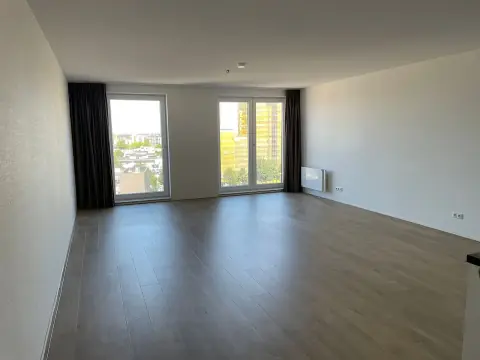
The property inspection, known in Dutch as the 'oplevering' or 'inspectie', is one of the most consequential procedures in the entire rental process. It's not a mere formality; it is the primary mechanism for documenting the state of the property and serves as the main piece of evidence in nearly all disputes over the security deposit ('borg'). There are two mandatory inspections: the initial inspection ('begininspectie') when you move in, and the final inspection ('eindinspectie') when you move out. The purpose of the initial inspection is to create a detailed, mutually agreed-upon record of the property's condition at the moment you take possession. The final inspection then compares the property's state at the end of the lease to this initial record, allowing the landlord to identify any new damages that go beyond normal wear and tear.
The legal weight of these inspections cannot be overstated. A crucial piece of Dutch rental law (Article 7:224 of the Civil Code) states that if no initial inspection report was created and signed, the law presumes the tenant received the property in the state it is in at the end of the tenancy. This puts the burden of proof squarely on the landlord. If a landlord 'forgets' or neglects to perform a detailed check-in inspection, they will find it nearly impossible to legally justify withholding any of the deposit for damages, as they have no baseline to prove the damage wasn't already there. This legal protection makes the tenant's participation in a thorough initial inspection an act of profound self-interest.
Opleveringsrapport)The tangible output of the inspection is the 'opleveringsrapport', or condition report. This document should be a meticulous, room-by-room inventory of the property's features and their condition. It's not enough to say 'living room is in good condition'. A proper report will note the type and state of the floors, the condition of the paint on the walls and ceiling, the functionality of windows and doors, and the presence of any existing scuffs, scratches, stains, or damage. The report must also include meter readings for gas, water, and electricity, and note the number of keys being handed over.
As a tenant, you should never accept this process passively. You are a participant, not an observer. Walk through the property with the landlord or agent and point out every single flaw you see, no matter how minor. A tiny chip in a tile or a small scratch on a countertop might seem trivial, but it could be used against you two years later. The most powerful tool at your disposal is your smartphone. Take extensive, date-stamped photos and videos of every room and every pre-existing issue. This independent visual record is invaluable evidence should a dispute arise. Do not sign the report if you disagree with it or if it is incomplete. Insist on adding your own comments or attaching your own list of observed defects before signing. A signed report signifies your agreement with its contents, so signing a blank or inaccurate report is a critical error.
The primary source of conflict during the final inspection is the ambiguous line between 'normal wear and tear' (normale slijtage) and 'tenant-caused damage' (schade). Normal wear and tear is the expected, gradual deterioration of a property from being lived in; its cost is the landlord's responsibility as part of doing business. Examples include paint fading slightly, minor scuff marks on walls from furniture, or carpets becoming slightly worn in high-traffic areas. Damage, on the other hand, is the result of negligence, accident, or abuse by the tenant, and the cost of repair can be deducted from the deposit. This includes things like large holes in the wall, broken windows, significant stains on the floor, or unapproved alterations like painting a wall a dark color.
To avoid nasty surprises, tenants should request a 'pre-inspection' ('voorinspectie') a few weeks before the final move-out date. During this pre-inspection, the landlord points out all the issues they expect to be rectified. This gives you, the tenant, the opportunity to make the repairs yourself. Repainting a wall or filling some holes is almost always cheaper to do yourself than to have the landlord hire a contractor and deduct the inflated cost from your deposit. The inspection process is fundamentally adversarial, with your deposit on the line. Approaching it with skepticism, diligence, and meticulous documentation is the only way to ensure you are treated fairly.

€1,159.00 / month

€600.00 / month

€932.00 / month

€1,187.00 / month

€1,845.00 / month

€933.00 / month

€1,899.00 / month

€765.00 / month

€714.00 / month

€1,596.00 / month

€714.00 / month

€1,210.00 / month