
Anti-Discrimination Laws
Dutch law provides robust, though sometimes difficult to enforce, protection against housing discrimination on various grounds including race, gender, religion, and income source.

Slijtage
Normal wear and tear is the gradual deterioration of a property from everyday use, the cost of which a landlord cannot legally deduct from a tenant's security deposit.
At the end of a tenancy, the final inspection can often feel like a trial, with the landlord scrutinizing every corner of the property for imperfections. The financial outcome of this inspection hinges on a seemingly simple but endlessly debatable concept: the difference between damage (schade) and normal wear and tear (normale slijtage). Understanding this distinction is the single most important tool a tenant has to protect their security deposit. Normal wear and tear is the unavoidable, gradual decline in the condition of a property that results from simply living in it. It is the natural entropy of a home being used for its intended purpose. Dutch law is clear that the landlord is responsible for the costs associated with this natural aging process; it is considered part of the cost of doing business as a landlord.
Conversely, damage is deterioration caused by negligence, carelessness, accidents, or intentional misuse. This is the tenant's responsibility. The core of almost every security deposit dispute is a landlord attempting to classify what is clearly wear and tear as 'damage' to justify withholding a tenant's money. A landlord cannot charge you for the cost of repainting an entire apartment because the walls have a few minor scuff marks after three years of occupancy. They can, however, charge you for repairing a large hole you knocked in the wall. Knowing where the law draws this line is your primary defense against a landlord who wants to refurbish their property at your expense.
While there is no exhaustive legal list, years of court rulings have established clear principles. Here is a practical, non-exhaustive comparison:
| Normal Wear and Tear (Landlord's Cost) | Damage (Tenant's Cost) |
|---|---|
| Minor scuff marks or faded paint on walls | Large, deep scratches, drawings, or unapproved paint colors |
| Worn patches on a carpet in high-traffic areas | Burns, significant stains, or tears in the carpet |
| Fading of curtains or flooring due to sunlight | A broken curtain rod or a deep gouge in the wood floor |
| Loose grout or limescale buildup in the bathroom | Cracked tiles or a broken toilet seat |
| Minor scratches on a kitchen countertop | Burn marks or a cracked countertop |
| A wobbly doorknob from regular use | A door that has been kicked in or a broken lock due to force |
This distinction requires context and common sense. A few nail holes for hanging pictures are generally considered wear and tear, but fifty holes in one wall would likely be considered damage. The age of the item also matters. A landlord cannot charge you the full replacement cost for a 10-year-old carpet that you stained; they can only charge you for its remaining depreciated value. This prevents tenants from having to pay for 'betterment'—leaving the landlord with a brand-new item to replace an old one.
The entire debate over wear and tear can often be won or lost on day one of your tenancy. The check-in report (opnamestaat), a detailed document outlining the property's condition when you moved in, is your most powerful piece of evidence. This report, accompanied by extensive, time-stamped photographs, should be signed by both you and the landlord. It creates an objective baseline against which the property's condition at the end of the tenancy can be measured.
Without a signed check-in report, the law is dangerously ambiguous. While some interpretations favor the tenant, many judges will fall back on the default that you must return the property in the condition you received it in. But how can you prove what that condition was? A landlord can claim a scratch on the floor is new damage you caused; without a check-in photo showing it was already there, it becomes your word against theirs. A thorough check-in report neutralizes this ambiguity. When the landlord points to a supposed 'damage' at the final inspection, you can simply refer back to the report. For this reason, you should never, under any circumstances, move into a property without completing a detailed check-in report. If the landlord is lazy or unwilling to do one, do it yourself, send them a copy via email on the day you move in, and save it. This single act can save you hundreds or even thousands of euros when it's time to get your deposit back.
Table of Contents
Terms from the same part of the rental process, so you can read them together instead of looking each one up separately.
Dutch law provides robust, though sometimes difficult to enforce, protection against housing discrimination on various grounds including race, gender, religion, and income source.
Dutch law strictly prohibits discrimination in the housing market based on a wide range of protected grounds.
CCTV cameras in or around a rental property are strictly regulated by privacy laws to protect tenants from surveillance.
The official and unofficial processes for resolving conflicts over the return of a rental deposit in the Netherlands.
Recent Dutch law mandates a strict timeline for the return of the security deposit, requiring a refund within 14 days if there are no damages.
A formal request made by a tenant for necessary adjustments to a property to make it accessible and livable for a person with a disability.
Move from the literal wording of Wear and Tear (Slijtage) to exceptions, Dutch context, and applications for practical meaning.
Every glossary entry that belongs to Tenant Rights, collected on one page.
See TermsLook up a term, abbreviation or contract phrase and get a plain-language explanation with Dutch and English wording.
Search termsLonger guides that walk through applications, contracts, costs and moving, with the terminology used in context.
Read the guidesExplore the latest properties added to Luntero. Find new apartments, houses, and studios across the Netherlands — updated daily to help you discover your next home faster.
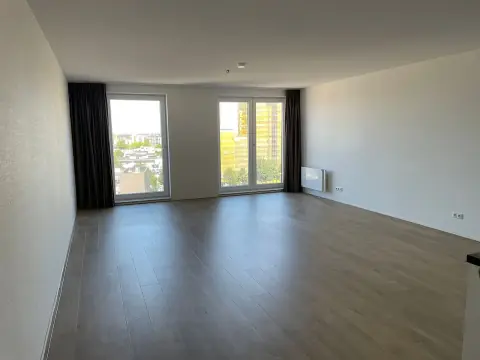
€1,159.00 / month

€600.00 / month
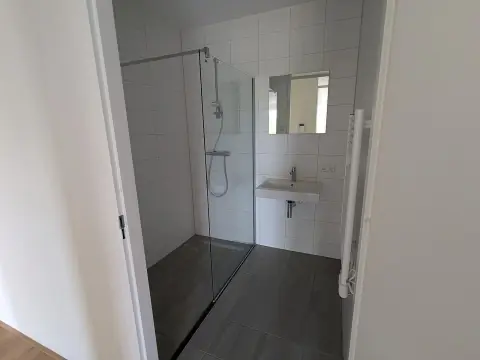
€932.00 / month
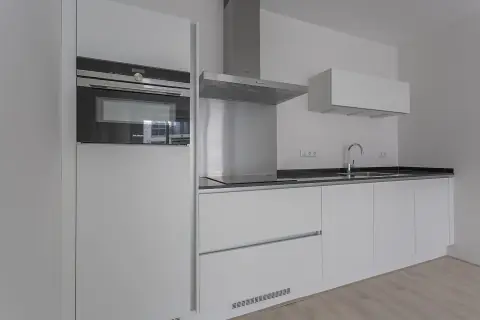
€1,187.00 / month
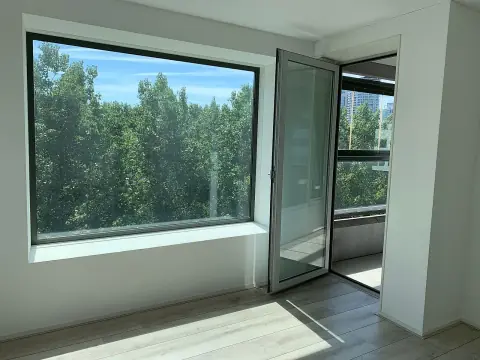
€1,845.00 / month

€933.00 / month

€1,899.00 / month

€765.00 / month
€714.00 / month

€1,596.00 / month

€714.00 / month

€1,210.00 / month
Luntero brings represented apartments, rooms, studios and houses from Dutch rental sources into one searchable place. Use the available filters to narrow your options, then check the original listing for current availability, price, conditions and application steps.
Browse rental listings collected from Funda, Pararius, Kamernet and other supported sources in one place. Coverage is broad but not exhaustive, and the original listing remains authoritative.
Navigate our clean and straightforward design effortlessly on both desktop and mobile devices for a seamless apartment, house, or room hunting experience in the Netherlands.
Browse rental listings in English, Dutch, Spanish, French, German, and more. Luntero ensures you can find your next home in the Netherlands in the language you're most comfortable with.
Luntero refreshes collected listings regularly and search alerts email new matches after a successful check. A source can change between refreshes, so verify decisive details there.