
Energy supplier
Sells you the energy and sends the bill. This is the company you choose.
- Your contract, rate and monthly advance
- Annual statement and final bill
- Registering your move and meter readings
See how the suppliers you picked differ on terms, and what is still worth asking them.
Choose the suppliers you are considering and see what each one supplies, which contract types it offers and how it handles moving, cancelling and paying. The view shows terms and arrangements, so it helps you decide who to ask for a personal offer; it does not list tariffs or name a winner.
Try a brand group
Rates change often and depend on the day you sign, so they say little about a supplier. These four terms decide what happens when your plans change: a new job, a move abroad or moving in with someone. Check them in the table above before you ask for an offer.
A longer fixed term gives certainty but less freedom if you move abroad or in with someone.
Fixed contracts can charge an exit fee when you leave early. Variable contracts usually do not.
Check whether the contract moves with you and how early you have to report the move.
Dynamic contracts need a smart meter. Check the meter in your home before you sign.
The comparison shows terms; the rate comes from a personal offer. When you request one, these questions make sure the offer fits a rented home, your key date and the length of your stay. Ask for the answers in writing, by email or in the offer itself.
Three different parties own a part of the energy in a rented home, and renters mix them up more than anything else. Your supplier sells the energy and sends the bill, the regional grid operator owns the cables, pipes and meter, and your landlord answers for the installations inside the home. Knowing which one to call saves a lot of time on hold.
Sells you the energy and sends the bill. This is the company you choose.
Owns the cables and pipes in your area. You cannot choose it: your address decides.
Owns the home and everything in it. Responsible for the installations behind the meter.
The home decides more of your energy use than the contract does: insulation, glazing and the heating system stay the same whichever supplier you pick. These rental pages show homes advertised with energy label A or B in the cities with the most listings on Luntero. Check the label in the advert against the official register before you sign.
Energy label A or B
Energy label A or B
Energy label A or B
Energy label A or B
Energy label A or B
Energy label A or B
Energy label A or B
Energy label A or B
Listing counts come from the last update of Luntero's rental pages and change every day.
Read what each contract type means before you request an offer. A rental also needs contents insurance and an internet plan, and these guides explain both the same way: independent and from the providers' own terms.
Understand how the three contract types differ in price certainty, flexibility and cancellation, which contracts need a smart meter and which questions to put to a supplier before you agree to anything.
Energy contract typesUse one starting point for researching represented insurance in the Netherlands. Browse major personal-insurance categories, understand the questions that separate policies and continue into provider profiles without treating price or a familiar brand as the whole decision.
Dutch InsuranceGet your bearings on home internet in the Netherlands, from connection types and contract lengths to installation and the official address check, then move on to searching, comparing or the guided finder.
Home internet guideExplore the latest properties added to Luntero. Find new apartments, houses, and studios across the Netherlands — updated daily to help you discover your next home faster.
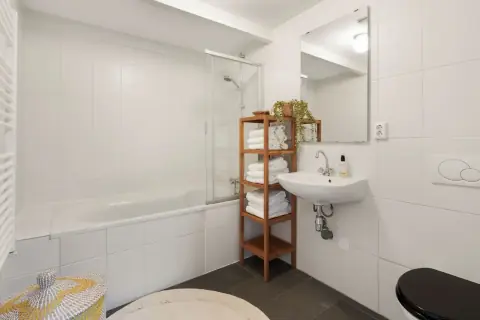
€2,500.00 / month
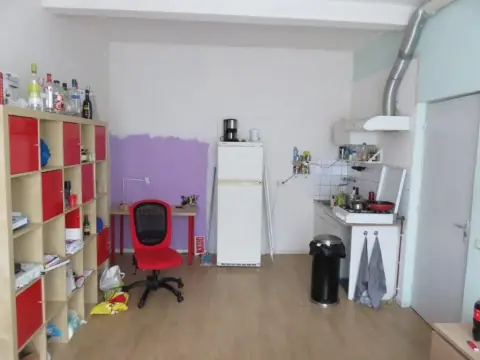
€600.00 / month
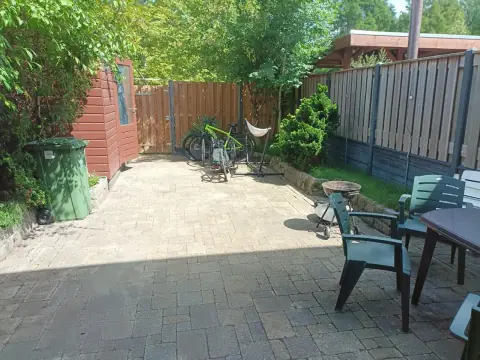
€620.00 / month
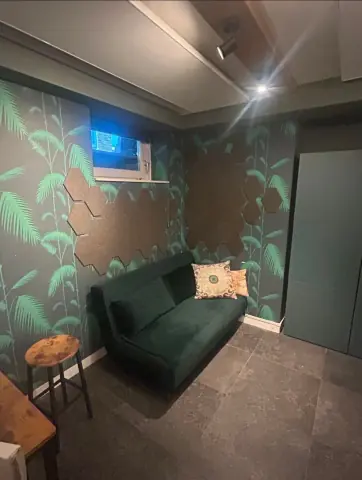
€650.00 / month
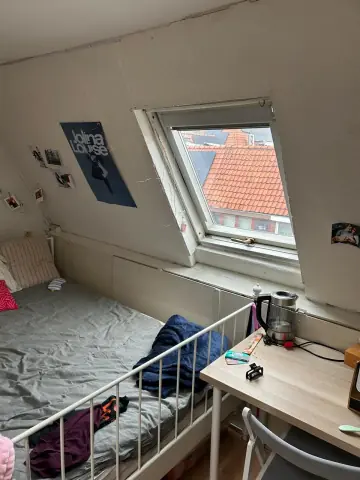
€900.00 / month

€2,450.00 / month

€900.00 / month

€1,350.00 / month
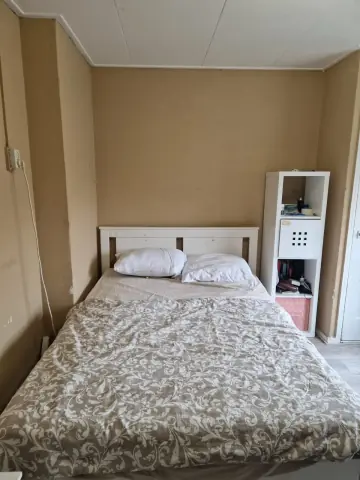
€675.00 / month

€850.00 / month
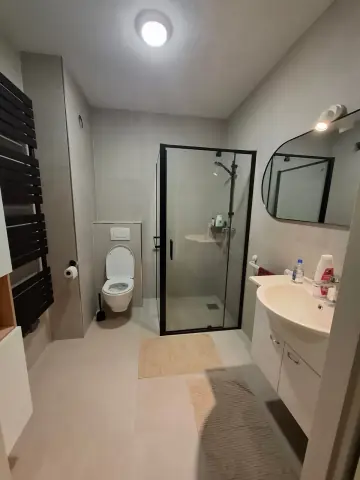
€1,250.00 / month
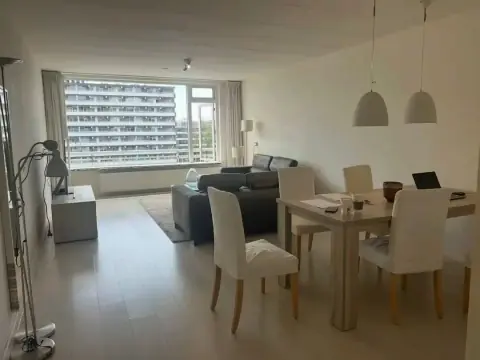
€1,100.00 / month