Subletting in the Netherlands: Can You Stay When the Main Tenant Leaves?
Discover your rights as a subtenant when the main lease ends in the Netherlands and how Article 7:269 of the Dutch Civil Code can protect you.
Guide last updated on: July 21, 20265 min read
Table of Contents
Table of Contents
Further Reading on Renting in the Netherlands
Newest Properties in the Netherlands
Explore the latest properties added to Luntero. Find new apartments, houses, and studios across the Netherlands — updated daily to help you discover your next home faster.
Why Luntero
One Workspace for Your Dutch Rental Search
Luntero combines apartments, rooms, studios and houses from rental websites with homes published directly on Luntero. Filter by your needs, compare your options and confirm availability, price and conditions with the advertiser.
Listings From Many Dutch Sources
Browse listings from Funda, Pararius, Kamernet and other supported websites alongside rentals published directly on Luntero. Coverage is broad, but does not include every home on the market.
Intuitive User-Friendly Interface
Navigate our clean and straightforward design effortlessly on both desktop and mobile devices for a seamless apartment, house, or room hunting experience in the Netherlands.
Multilingual Support for Expats & Locals
Browse rental listings in English, Dutch, Spanish, French, German, and more. Luntero ensures you can find your next home in the Netherlands in the language you're most comfortable with.
Regular Listing Refreshes
Luntero refreshes collected listings regularly and search alerts email new matches after a successful check. A source can change between refreshes, so verify decisive details there.
Understand Dutch rental terms before you sign the lease.
Renting in the Netherlands comes with unique rules, legal phrases, and housing abbreviations that can be tricky. The Luntero Rental Glossary is your guide to every rental term — from tenancy agreements, deposits, and agency fees to utility charges, rent control, and tenant rights. Whether you’re new to renting, moving as an expat, or just want to avoid hidden costs, our glossary helps you rent smarter, negotiate better, and protect yourself from mistakes.
Subletting in the Netherlands: Can You Stay When the Main Tenant Leaves?
Subletting is a common solution in the Netherlands’ tight rental market—especially for expats and international tenants. But what happens if the main tenant’s contract ends before yours? Dutch law offers specific protections for subtenants under Article 7:269 of the Dutch Civil Code (Burgerlijk Wetboek), which may allow you to remain in the property even after your landlord’s lease terminates. In this guide, we explain your rights, the conditions for protection, and practical steps to secure your tenancy.
What Is Subletting?
Subletting occurs when the primary tenant (the main tenant) rents all or part of a property to another person (the subtenant) while maintaining their lease with the property owner. Two distinct agreements are involved:
The main tenancy agreement between the owner (or housing corporation) and the main tenant.
The sublease agreement between the main tenant and the subtenant.
In larger cities like Amsterdam and Utrecht, this arrangement often helps main tenants cover high rents and gives subtenants more flexible housing options.
Independent Housing vs. Renting a Room
A crucial distinction under Dutch law is between:
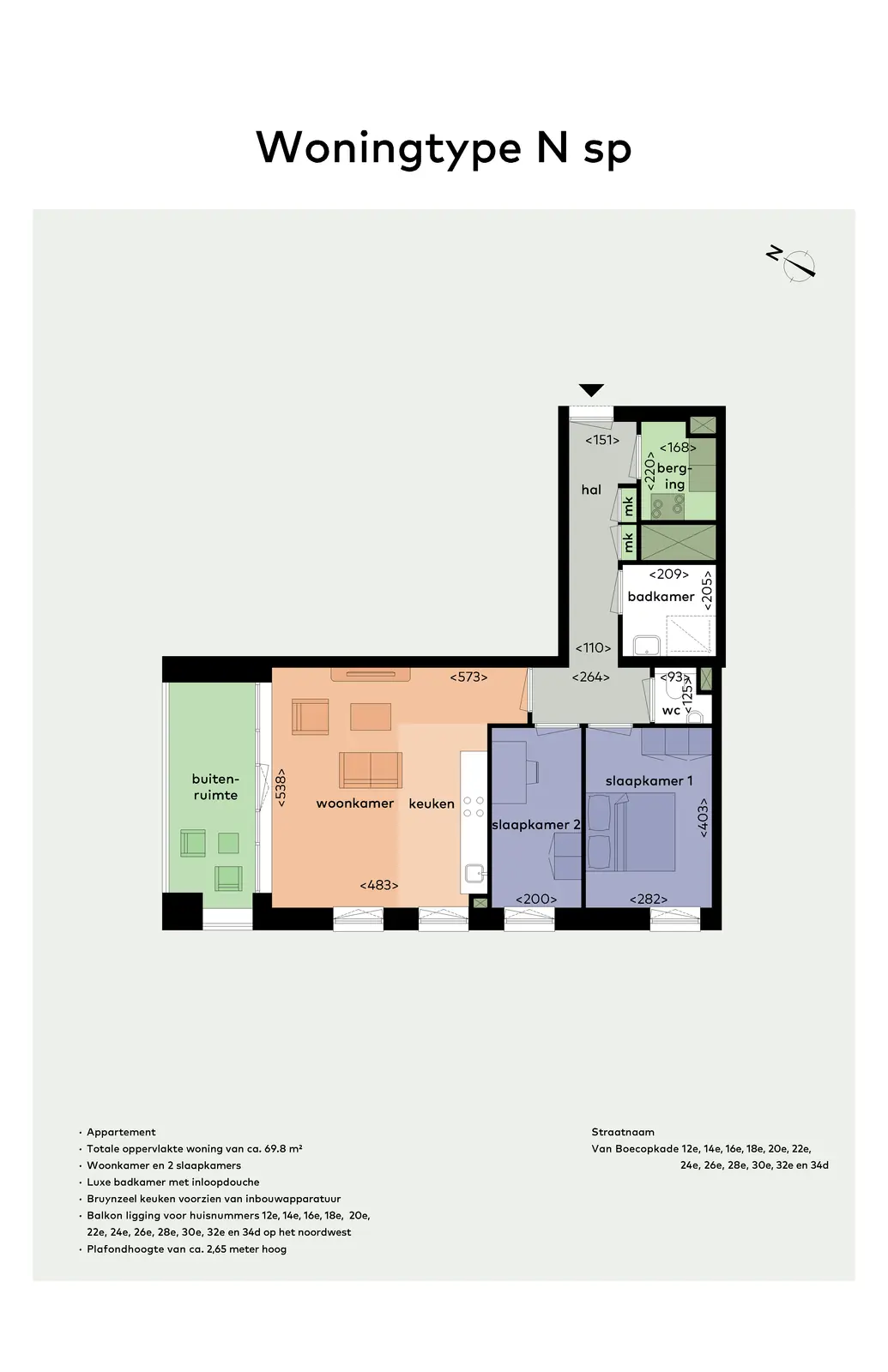
Independent residential accommodation: A self-contained unit with its own entrance, kitchen, bathroom, and toilet.
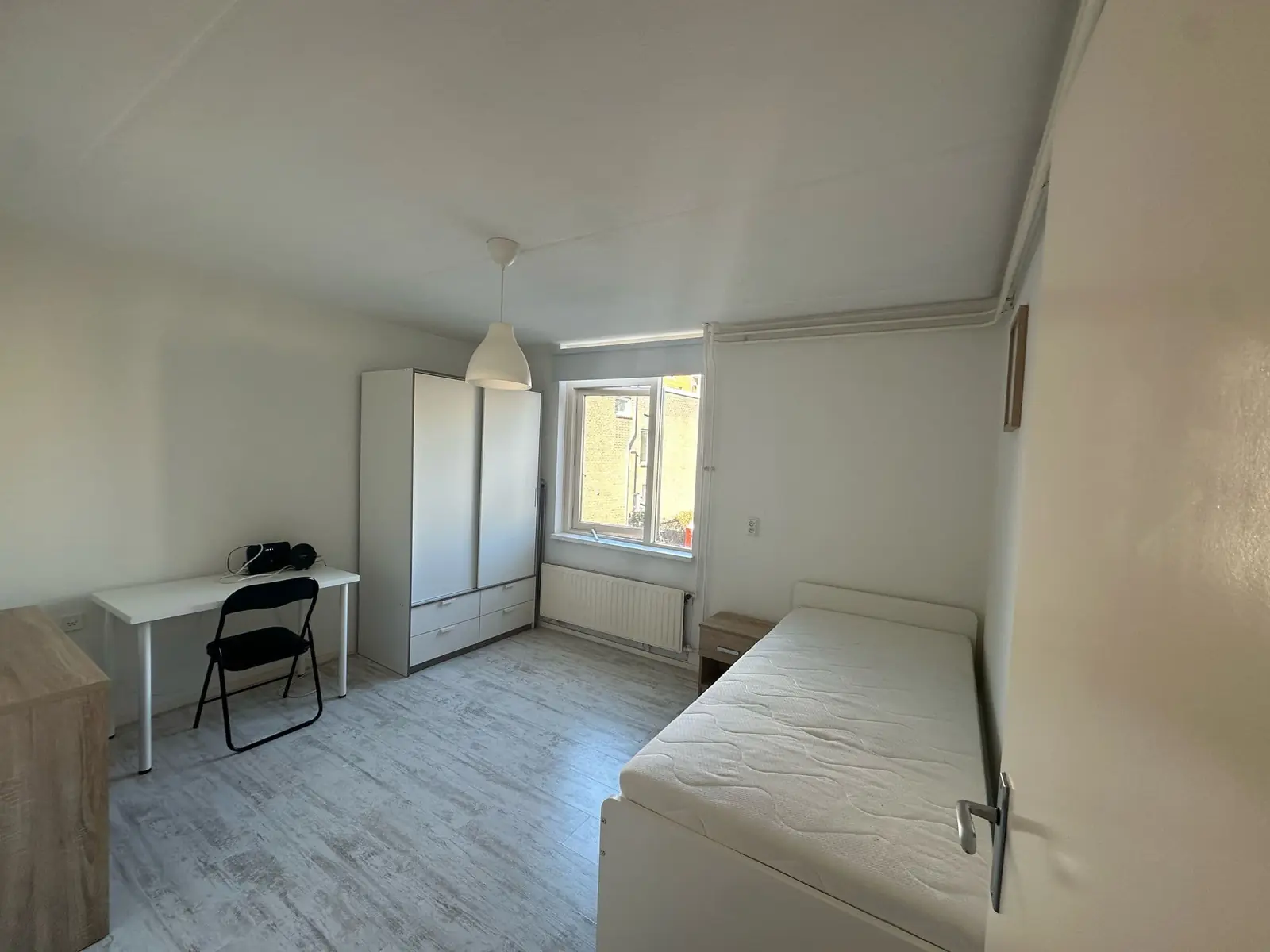
A room in shared housing: A private bedroom with shared facilities such as kitchen or bathroom.
Article 7:269 only protects subtenants of independent housing. If you rent a single room and share essential facilities, you generally do not benefit from automatic transfer rights when the main tenancy ends.
Legal Protection for Subtenants: Article 7:269 Explained
Under Article 7:269 of the Dutch Civil Code, a subtenant of independent residential accommodation can automatically become the tenant of the property owner when the main lease ends. In practice, this means:
Your sublease continues “by operation of law.”
The property owner steps into the shoes of the main tenant and takes over as your new landlord.
You retain the right to occupy the property under the same terms and rent level as your sublease.
This rule applies regardless of how the main tenancy ends—whether by mutual agreement, notice from the main tenant, or court termination.
Does a Subletting Prohibition Void Your Protection?
Many rental contracts forbid subletting without written permission. If the main tenant breaches that clause, the owner can pursue contractual remedies against them. However, an illegal subletting arrangement does not automatically strip the subtenant of statutory protection. If you meet the requirements under Article 7:269, the protection still applies even in cases of unauthorized subletting.
Conditions for Statutory Protection
To benefit from Article 7:269, you must satisfy all of the following conditions:
Independent unit: You rent a self-contained dwelling with its own entrance and essential facilities.
Sublease link: You can prove your direct rental relationship with the main tenant (e.g., a signed sublease).
Primary residence: You use the property as your main and principal home.
Keep clear records—rental agreements, rent receipts, and official registration (BRP) documentation can serve as proof.
Can the Owner Terminate the Inherited Tenancy?
Yes. Although you gain protection under Article 7:269, it is not absolute. Within six months of the main tenancy ending, the owner may petition the court to terminate your tenancy on specific grounds:
Insufficient financial security: You cannot demonstrate reliable rent payments.
Sham subletting: The arrangement was purely designed to manipulate tenant rights.
Unreasonable continuation: It would be unreasonable for the owner—often a social housing corporation—to keep you as a tenant.
Lack of housing permit: You need a permit for that property but do not have one.
The owner must follow formal legal procedures; they cannot simply change the locks or demand you leave without a court order.
Safeguarding Your Tenancy: Practical Steps
Document everything: Keep copies of your sublease, rent payment records, and any correspondence with the main tenant or property owner.
Register at your address: Ensure you are listed in the Municipal Personal Records Database (BRP).
Seek early advice: If your main landlord serves notice, consult a legal expert or tenants’ association to clarify your position.
Understand your rent level: Check whether your rent is capped under the Dutch points system for independent housing.
Frequently Asked Questions
Can my subtenant be evicted?
Only through formal legal proceedings. If protected by Article 7:269, the owner must apply to court within six months to terminate the tenancy.
What if the main tenant was illegally subletting?
Unauthorized subletting may expose the main tenant to sanctions, but it does not automatically nullify your right to protection if you meet the statutory requirements.
Does protection apply to student rooms or shared flats?
No. Article 7:269 covers only independent residential units, not individual rooms with shared essential facilities.
Conclusion
Understanding subletting rights under Dutch law can make a significant difference when the main tenant’s lease expires. If you rent a self-contained property, Article 7:269 of the Dutch Civil Code may allow you to remain in your home under the owner’s tenancy. By keeping clear documentation and knowing the required steps, you can safeguard your housing stability in the Netherlands.
Looking for your next rental? Visit Luntero for the easiest way to find and manage listings across the Netherlands.
Understand Dutch rental terms before you sign the lease.
Renting in the Netherlands comes with unique rules, legal phrases, and housing abbreviations that can be tricky. The Luntero Rental Glossary is your guide to every rental term — from tenancy agreements, deposits, and agency fees to utility charges, rent control, and tenant rights. Whether you’re new to renting, moving as an expat, or just want to avoid hidden costs, our glossary helps you rent smarter, negotiate better, and protect yourself from mistakes.