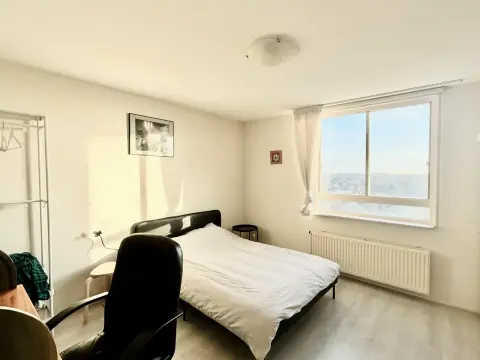
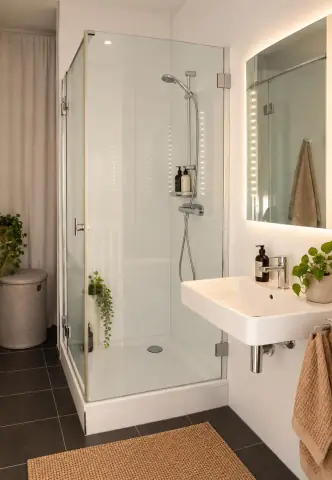
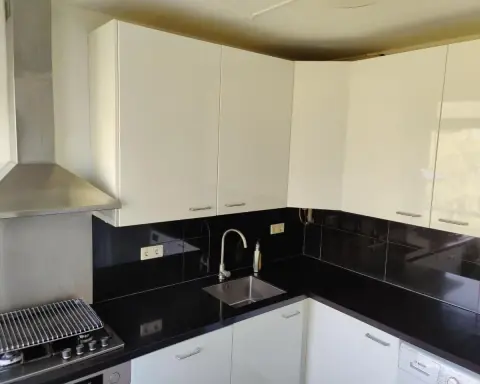
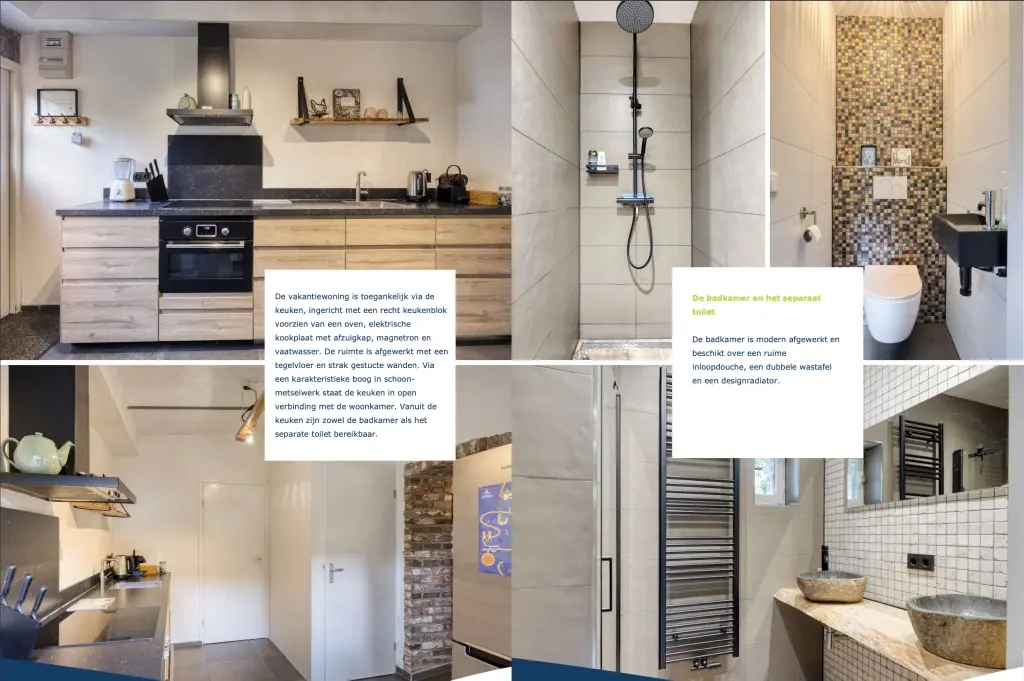
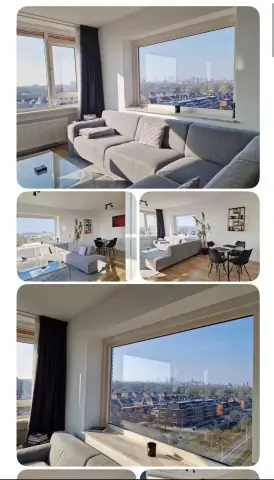
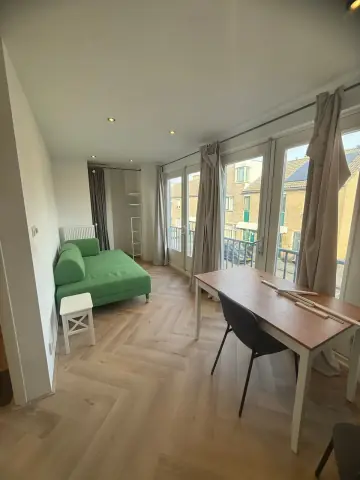
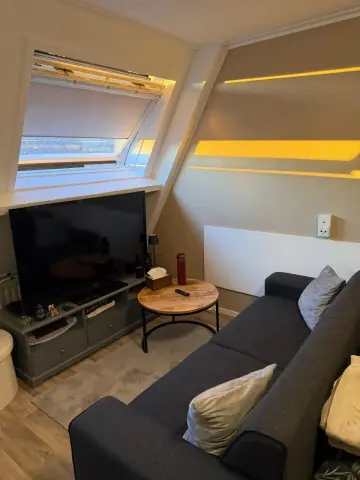
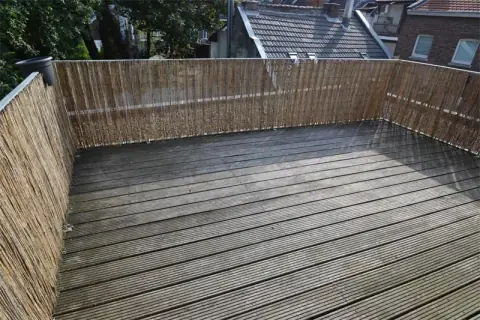
Use a winter viewing to inspect heating, daylight, moisture, storage, and access, then turn unanswered questions into a clear written follow-up.
13 min read
Table of Contents
Table of Contents
Further Reading on Renting in the Netherlands
Newest Properties in the Netherlands
Explore the latest properties added to Luntero. Find new apartments, houses, and studios across the Netherlands — updated daily to help you discover your next home faster.
Why Luntero
One Workspace for Your Dutch Rental Search
Luntero combines apartments, rooms, studios and houses from rental websites with homes published directly on Luntero. Filter by your needs, compare your options and confirm availability, price and conditions with the advertiser.
Listings From Many Dutch Sources
Browse listings from Funda, Pararius, Kamernet and other supported websites alongside rentals published directly on Luntero. Coverage is broad, but does not include every home on the market.
Intuitive User-Friendly Interface
Navigate our clean and straightforward design effortlessly on both desktop and mobile devices for a seamless apartment, house, or room hunting experience in the Netherlands.
Multilingual Support for Expats & Locals
Browse rental listings in English, Dutch, Spanish, French, German, and more. Luntero ensures you can find your next home in the Netherlands in the language you're most comfortable with.
Regular Listing Refreshes
Luntero refreshes collected listings regularly and search alerts email new matches after a successful check. A source can change between refreshes, so verify decisive details there.
Understand Dutch rental terms before you sign the lease.
Renting in the Netherlands comes with unique rules, legal phrases, and housing abbreviations that can be tricky. The Luntero Rental Glossary is your guide to every rental term — from tenancy agreements, deposits, and agency fees to utility charges, rent control, and tenant rights. Whether you’re new to renting, moving as an expat, or just want to avoid hidden costs, our glossary helps you rent smarter, negotiate better, and protect yourself from mistakes.
A rental can look inviting with every lamp on and the thermostat turned up. The more helpful question is whether you could comfortably use its rooms on an ordinary winter weekday. Where would you work when daylight is limited? How would wet coats dry? Could you bring groceries upstairs after a late journey home? A winter rental viewing gives you a chance to investigate those details before an attractive photograph becomes an expensive commitment.
Start with the rooms and routes that affect your household most. Check what you can see, ask permission before testing anything, and record unanswered questions separately from confirmed information. A warm radiator does not establish an affordable heating bill; an open window does not establish adequate ventilation. The purpose of these 12 checks is to help you decide what deserves further evidence, a second visit, or a different home.
What should you check first at a winter rental viewing?
Start in the room where a problem would most affect your day: the bedroom you must sleep in or the space where you will work. Ask for a demonstration of its normal heating and ventilation controls, then check the usable furniture position. Next, look at daylight, visible moisture and the complete entrance or bicycle-storage route. Record the time, weather and anything you could not observe.
Before deciding, separate three outcomes: a feature you saw working, an explanation you were given and a document or return visit you still need. Ask for the unit's energy label, the heating-payment breakdown and clarification of any promised repair. If a decisive question remains unanswered, carry that uncertainty into the comparison rather than counting a reassurance as a completed check.
Prepare a short winter viewing checklist
Save the listing and floor plan before traveling. Note the complete address, including the apartment suffix, the advertised heating arrangement, the energy label, and which costs are included. Use Luntero's rental search to identify candidate homes, then confirm viewing arrangements and availability with the advertiser or original provider. Finding a property through Luntero does not mean that Luntero has inspected it or arranged your appointment.
Bring a charged phone, a small tape measure, and a note with your three essential requirements. Examples might be a usable daytime work area, step-free access, or somewhere to keep a bicycle indoors. Ask whether photographs are permitted, especially if another tenant's belongings are present. Photograph a relevant defect with its room context rather than collecting unrelated personal details.
If the viewing is short, reserve attention for heating, visible moisture, ventilation, the room you will use most, and the entrance route. Furniture styling can wait. Record the viewing time and weather: a bright afternoon after several dry days tells you something different from a dark, rainy evening. Neither visit represents every condition the home will experience.
1. Find out what heats the home
Ask the host to identify the heating system and show its normal controls. Is heat supplied by an individual installation, a shared building system, district heating, or room-specific appliances? Ask which rooms it serves and whether you control the temperature independently. Write down the answer rather than translating every unfamiliar arrangement into “central heating.”
Then ask who contracts with the supplier and which charges you would pay. A heating system can work while its billing arrangement remains unclear. Request the written breakdown if heat is included in a monthly advance or separate service charge. Do not infer that an appliance visible in the kitchen supplies every room or that a thermostat in the hallway controls the whole dwelling.
During the visit, you can ask for an ordinary demonstration. You cannot establish efficiency, safety, or adequate capacity by inspecting equipment yourself. Keep covers closed and leave technical assessment to an appropriately qualified professional.
2. Check the room that is hardest to keep comfortable
Move beyond the main living room. A rear bedroom, converted attic, or room beside an exposed wall may be more important to your household than the room where the host meets you. Ask whether its normal heating can be demonstrated and whether it has independent controls. Note obvious differences between rooms without assigning a technical cause.
If the home is empty and heating is off, a cold room does not by itself prove a defect. Equally, a warm room after prolonged heating does not prove low running costs. Ask how the home was being used before your visit and what information exists about normal operation. A promise that “it gets warm eventually” needs clarification if that room will be your full-time workspace.
Think about where furniture would go. A desk that only fits in front of a radiator may create a practical problem even when the heating installation works. Measure the available position and check the layout before treating advertised floor area as usable space.
3. Look at the exact energy-label evidence
Match the complete unit address to the energy-label information rather than relying on a colorful letter in an advertisement. Luntero's energy-label finder helps you look up a registered label by address and inspect its dates. Use it as preparation for questions about this particular home, not as a promise about your future bill.
The Dutch government says a tenant should receive the valid energy label with the rental contract. Ask for the certificate and reconcile any discrepancy between the advert, the address, and the document. See the government's explanation for tenants for the official route.
Keep the conclusion proportionate. A building-performance label does not tell you how many hours your household will be home or what tariff you will pay. If consumption figures are offered, ask what period and occupancy they cover. A previous tenant's total is context, not your forecast.
4. Inspect visible moisture without diagnosing it
Look at accessible window surrounds, wall corners, ceilings, and the bathroom. Note staining, peeling finishes, visible growth, or a persistent musty smell. Ask before opening cupboards or moving curtains, and do not move a resident's possessions. Record the location and appearance precisely: “dark patches beside the bedroom window” is better evidence than “the building has rising damp.”
Ask when the issue was first noticed, whether its cause was investigated, and what repair was completed. A recently repainted patch deserves an explanation, but fresh paint alone is not proof of concealment. Request any relevant written account of repairs and ask whether the issue has returned.
Moisture can have different causes. GGD Leefomgeving's guidance on mold explains the importance of addressing the underlying problem and contacting the landlord about unresolved concerns. A viewing is an observation opportunity, not a building survey or a health assessment. If the answer matters to your decision and remains uncertain, seek appropriate further investigation before relying on reassurance.
5. Identify how air enters and leaves
Ask the host to show the ventilation arrangement in bedrooms, living areas, the kitchen, and the bathroom. Look for accessible supply openings and extraction points, and ask how residents are expected to use the controls. A window that opens is helpful to observe; it does not answer how ventilation works when you are sleeping or away.
The Dutch government's ventilation guidance distinguishes ongoing ventilation from briefly airing a home. Use that distinction in your questions: what runs normally, what should residents adjust after cooking or showering, and who maintains the installation?
Listen to a demonstrated system where possible. If a bedroom vent or bathroom fan sounds intrusive to you, ask whether that is normal operation and whether maintenance is due. Do not switch off, dismantle, block, or adjust equipment beyond what the host agrees to demonstrate. You are checking whether you understand the arrangement and can live with it.
6. Check windows and doors in normal use
With permission, try the opening and closing mechanism on the windows you would use regularly. Check whether handles are accessible and whether a window can be secured again. Look for visible damage or poorly closing frames and ask which repairs are planned before handover.
Distinguish an unwanted draft at a closed frame from a purpose-built ventilation opening. Sealing every opening is not a sensible viewing recommendation. If you feel cold air, record where it occurs and ask the host to explain it. A technical judgment about glazing or insulation requires more than touching the glass.
Curtains also affect the usable layout. Check whether they belong to the rental and whether you could operate the window with your furniture in place. A large window is less convenient if reaching its handle requires moving a heavy desk every day.
7. Judge daylight from the position you will occupy
Stand where your desk, dining table, or child's play area would be. If the host agrees, briefly turn off the lights and look at the room as it is. Note the viewing time, surrounding buildings, and whether the windows face a narrow courtyard or an open outlook. Avoid assuming that a bright listing photograph shows typical winter conditions.
An evening visit cannot establish daytime brightness. Ask for a daytime return or a recent daytime video that identifies the room and time. Treat that material as additional evidence, not as a replacement for observing the space yourself when daylight is essential to your choice.
Consider the cost and placement of lighting as a furnishing question, too. Where are the sockets? Does the work area have room for a lamp? If two people work from home, test both positions rather than deciding that one attractive window serves the entire household.
8. Listen with the home arranged as you would use it
Spend a quiet moment in the bedroom and main living area. Ask whether you may listen with windows closed and, separately, briefly open. Note the sounds you hear and their source if apparent. A single passing vehicle is different evidence from a continuous mechanical sound, but a quiet ten-minute visit cannot guarantee a quiet week.
Ask about any shared installations beside the bedroom, scheduled deliveries, or house rules that affect noise. If the street or building is especially important to your decision, revisit the public area at a relevant time. Stay within public access and respect occupants' privacy.
For a household that ventilates a bedroom at night, the relationship between air supply and sound may matter more than the living room's quietness. Record that practical question alongside the window and ventilation checks instead of treating noise as a separate abstract score.
9. Walk the entrance route with winter belongings in mind
Follow the route from the street to the actual apartment door. Check lighting, thresholds, handrails, door closers, and the space where you would stop to find your keys. If there is an elevator, establish whether it serves the required floor and what steps remain before and after it.
Imagine carrying groceries with a wet coat and a bag. Could you open the door without placing everything on an exposed step? Where would an umbrella drip? These are household-fit questions, not a certification of accessibility or building safety. If you use a stroller or mobility aid, check the real dimensions and required assistance with that need in mind.
Ask who handles faults in shared lighting or access equipment and how to report them. A verbal promise that someone usually replaces a bulb is less clear than an identified contact and reporting process.
10. Find a workable place for wet coats and laundry
Look for a place where damp outerwear and shoes can be kept without blocking a door, heater, or circulation route. Check what storage belongs to the dwelling and whether it is private, shared, or excluded. A cupboard shown in a photograph may contain the current tenant's own furniture.
Ask where laundry is normally dried and which appliances or connections are included. If the only drying option occupies the bedroom floor, include that constraint in your layout decision. For a shared house, establish how access to laundry facilities is organized rather than assuming that an appliance is always available.
There is no single correct setup for every household. Someone who uses a nearby laundry service has different requirements from a family washing clothes frequently. The valuable check is whether the home supports your routine without improvisation that consumes essential living space.
11. Test the journey to bicycle storage or the street
If bicycle storage is advertised, ask to see its actual entrance and your allocated space. Follow the route, including gates, slopes, steps, and turns. A storage room may be large enough for a bicycle while its access is awkward for a cargo bike or for someone unable to lift one.
Check whether doors can be handled while holding the bicycle and ask who may use the space. Do not assume that a covered shared area includes a reserved position. If storage is outdoors, consider how you would reach it in rain and darkness, and ask which lighting and locking arrangements are provided.
Also walk the public route toward the stop, station, or parking place you expect to use. You do not need to invent a safety ranking to notice that a route requires an inconvenient detour or leaves you carrying a bicycle up steps.
12. Turn promises into a specific follow-up
Before leaving, read back the points that affect your decision. Identify which answers were demonstrated, which were verbal, and which remain open. Ask who will respond and when. If repairs are promised, request a description of the work and its expected completion rather than writing only “landlord will fix it.”
A follow-up can be brief: “Thank you for showing the apartment today. Before I decide, could you confirm the complete heating-charge breakdown, provide the energy-label certificate for this unit, and explain the repair planned beside the bedroom window? Please also confirm whether the bicycle-storage position we viewed is included.” Adapt the wording to what happened; do not imply that an observation proves a defect.
Keep a copy of the listing and correspondence for your own comparison. If the advertiser asks for an immediate decision before a material question is answered, treat that uncertainty as part of the offer. Speed does not make missing evidence less important.
Compare the evidence from two visits
Consider a hypothetical renter who works at home three days a week and cycles to a station on the other two. Apartment A has a brighter work area but an unanswered question about heat charges. Apartment B has a clear written cost breakdown and convenient bicycle access, but the only desk position is in a dark bedroom. These are invented properties, not current listings or market findings.
Decision point
Apartment A
Apartment B
Sensible next action
Daytime workspace
Observed during a daytime visit
Viewed only after dark
Request a daytime check for B
Heating payments
Explained verbally
Written breakdown supplied
Obtain A's breakdown before budgeting
Bicycle access
Two steps on the storage route
Level route observed
Test A against the renter's own bicycle
Moisture questions
No concern noted during visit
Mark beside window needs explanation
Ask B for cause and repair information
The table should preserve uncertainty. “No concern noted” is not “no moisture problem,” and “written breakdown supplied” is not “the cheapest home.” Use Luntero's side-by-side rental comparison to organize listing differences, then keep your viewing notes and unanswered questions alongside it. The tool supports a shortlist; it cannot perform the physical checks for you.
For this renter, a second daylight visit to B and a written cost answer from A could change the decision more than another hour scrolling photographs. A different household might prioritize entrance access or laundry space instead. Set your own essentials before allowing attractive finishes to dominate the comparison.
Leave with a decision you can explain
After the visit, write one sentence about fit, one about the largest unresolved issue, and one about the next action. For example: “The layout supports a separate work area. The heating-charge basis is still unclear. I will request the breakdown before comparing this home with the other offer.” That is a stronger basis for choosing than an unexplained rating out of ten.
Return to your rental shortlist when a home fails an essential requirement or the missing evidence remains unacceptable. When a property still fits, verify the advertiser, written terms, costs, and availability through the appropriate source before committing. A successful winter viewing does not prove everything about a home. It gives you a clearer account of what you know, what you need to ask, and whether the remaining uncertainty is one you are willing to carry.
Understand Dutch rental terms before you sign the lease.
Renting in the Netherlands comes with unique rules, legal phrases, and housing abbreviations that can be tricky. The Luntero Rental Glossary is your guide to every rental term — from tenancy agreements, deposits, and agency fees to utility charges, rent control, and tenant rights. Whether you’re new to renting, moving as an expat, or just want to avoid hidden costs, our glossary helps you rent smarter, negotiate better, and protect yourself from mistakes.