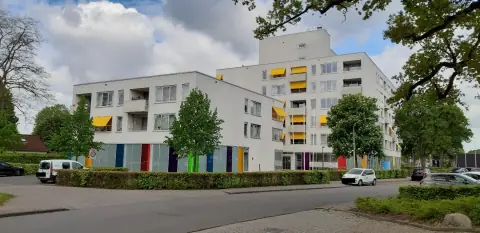
Vesteda Faces Forced Sale of Rental Homes Amid Investor Exodus
Vesteda may have to divest rental properties after investors request €4.1 billion in redemptions, a move that could intensify the Netherlands’ housing shortage.
Guide last updated on: March 25, 20265 min read
Table of Contents
Table of Contents
Further Reading on Renting in the Netherlands
Newest Properties in the Netherlands
Explore the latest properties added to Luntero. Find new apartments, houses, and studios across the Netherlands — updated daily to help you discover your next home faster.
Why Luntero
One Workspace for Your Dutch Rental Search
Luntero brings represented apartments, rooms, studios and houses from Dutch rental sources into one searchable place. Use the available filters to narrow your options, then check the original listing for current availability, price, conditions and application steps.
Listings From Many Dutch Sources
Browse rental listings collected from Funda, Pararius, Kamernet and other supported sources in one place. Coverage is broad but not exhaustive, and the original listing remains authoritative.
Intuitive User-Friendly Interface
Navigate our clean and straightforward design effortlessly on both desktop and mobile devices for a seamless apartment, house, or room hunting experience in the Netherlands.
Multilingual Support for Expats & Locals
Browse rental listings in English, Dutch, Spanish, French, German, and more. Luntero ensures you can find your next home in the Netherlands in the language you're most comfortable with.
Regular Listing Refreshes
Luntero refreshes collected listings regularly and search alerts email new matches after a successful check. A source can change between refreshes, so verify decisive details there.
Understand Dutch rental terms before you sign the lease.
Renting in the Netherlands comes with unique rules, legal phrases, and housing abbreviations that can be tricky. The Luntero Rental Glossary is your guide to every rental term — from tenancy agreements, deposits, and agency fees to utility charges, rent control, and tenant rights. Whether you’re new to renting, moving as an expat, or just want to avoid hidden costs, our glossary helps you rent smarter, negotiate better, and protect yourself from mistakes.
Vesteda Faces Forced Sale of Rental Homes Amid Investor Exodus
Vesteda, one of the Netherlands’ largest residential landlords with a portfolio of around 28,000 homes, is confronting a dramatic funding challenge. In early March, the company disclosed that investors in its flagship Vesteda Residential Fund submitted requests to redeem a total of €4.1 billion—more than half of the fund’s value. With redemption finalisation looming and a three-year window to raise liquidity, Vesteda may have to sell off rental homes to satisfy investor demands. This development comes at a sensitive moment for the Dutch housing market, as the government races to build more affordable homes and ease a persistent rental shortage.
Background: The Vesteda Residential Fund and Investor Profile
Established to attract institutional capital into the Dutch housing sector, the Vesteda Residential Fund pooled investments from pension funds, insurers and international asset managers. Since its inception, it delivered solid returns by focusing on mid-market rentals—homes that sit between social housing and the free-market sector, often targeting households with moderate incomes. The fund’s structure allows partial or full redemptions once every seven years, making the current window the first major liquidity opportunity since new tax rules came into effect.
On March 1, Vesteda confirmed that nearly all investors had submitted redemption requests, totaling €4.1 billion—equivalent to 52% of the fund’s value1. The size and timing of these requests signal a shift in international capital flows away from Dutch real estate, putting pressure on Vesteda to unlock substantial funds.
Dutch Tax Reforms and Their Impact on Property Investment
Recent fiscal changes aimed at increasing tax transparency and closing loopholes have reshaped the attractiveness of Dutch real estate:
Property Transfer Tax Increase: The tax on second homes rose to 10.4%, deterring buy-to-let purchases.
Rent Controls for Mid-Sector Homes: Stricter regulations cap annual rent increases and impose lower starting rents for newly built mid-market homes.
Ban on Direct Real Estate Investments: Since January last year, fiscal investment institutions (fiscale beleggingsinstellingen) are prohibited from investing directly in property, eliminating a tax-efficient channel for some foreign investors.
These measures, while designed to strengthen public revenues and protect tenants, have discouraged long-term investment from pension funds and insurers that traditionally underpinned large residential portfolios.
The Mechanics of the Redemption Process
Under the fund’s terms, investors had until April 20 to revise their redemption amounts. After that date, requests become irrevocable, and Vesteda will have up to three years to honor payouts. The company is actively negotiating with shareholders to reduce redemption volumes and exploring options to bridge any liquidity gap.
A formal liquidity plan is due in June, outlining potential strategies such as:
Staggered sales of residential assets
Issuance of debt or capital notes
Internal refinancing within Vesteda’s wider corporate structure
Analysts believe that asset sales are inevitable, given the magnitude of the redemption requests and limited alternative funding sources in a tighter credit environment.
Implications for the Dutch Rental Market
A forced sell-off of rental homes by a major player like Vesteda could have several consequences:
Reduced Institutional Ownership: Properties may transfer to private investors or smaller landlords less focused on long-term affordability.
Price Pressure: A wave of listings could temporarily soften rents in some areas, but reduced professional management might undermine tenant protections over time.
Slowdown in New Developments: Vesteda has been a key partner for municipalities and woningcorporaties (housing associations) in delivering mid-sector homes. Funding strains could delay projects, exacerbating the housing shortage.
These dynamics arrive at a critical juncture: the Dutch cabinet aims to build 100,000 homes annually, with a significant share reserved for affordable rentals, yet the country remains over one million dwellings short of demand.
What Tenants and Landlords Need to Know
For tenants: keep track of your rental contract and rent review clauses. Temporary market dips could offer negotiation opportunities, but be cautious of smaller landlords who may lack professional property management services.
For landlords: diversification of financing and a clear communication strategy with tenants will be essential. Those facing increased lending costs or reduced equity should engage with financial advisors early to avoid rushed asset sales.
Both parties should monitor developments closely, as government interventions or additional fiscal measures could reshape the investment landscape again in the coming months.
Future Outlook and Government Targets
Vesteda’s CEO, Astrid Schlüter, emphasises that the investor exodus does not reflect the fund’s performance, which has been robust in recent years2. However, the loss of over €4 billion in capital may slow the company’s growth plans and its contribution to new housing supply.
Meanwhile, the outgoing flow of institutional funds highlights a broader tension in the Dutch housing market: balancing investor interests with affordability and supply goals. The government may consider further incentives—such as targeted subsidies or public-private partnership models—to attract capital back into rental housing.
In the short term, municipalities and woningcorporaties may have to shoulder a larger share of development to meet building targets, placing additional pressure on public budgets.
Conclusion
Vesteda’s potential sale of rental homes underscores the complex interplay between tax policy, investor behaviour and housing supply in the Netherlands. As the dust settles on this significant capital shift, renters, landlords and policymakers will need to adapt strategies to ensure the continued delivery of affordable, high-quality homes.
For tenants and landlords navigating these market changes, Luntero remains the easiest way to find rental listings and stay informed on the latest developments in the Dutch housing market. Visit Luntero today to explore available properties and expert insights.
Understand Dutch rental terms before you sign the lease.
Renting in the Netherlands comes with unique rules, legal phrases, and housing abbreviations that can be tricky. The Luntero Rental Glossary is your guide to every rental term — from tenancy agreements, deposits, and agency fees to utility charges, rent control, and tenant rights. Whether you’re new to renting, moving as an expat, or just want to avoid hidden costs, our glossary helps you rent smarter, negotiate better, and protect yourself from mistakes.