Dutch Newly-Built Home Sales Surge by Nearly 40% in Q4: Market Trends and Implications
Sales of newly-built owner-occupied homes in the Netherlands jumped by 38% in Q4, with prices up nearly 5%, marking the fifth consecutive quarter of growth.
Guide last updated on: July 6, 20264 min read
Table of Contents
Table of Contents
Further Reading on Renting in the Netherlands
Newest Properties in the Netherlands
Explore the latest properties added to Luntero. Find new apartments, houses, and studios across the Netherlands — updated daily to help you discover your next home faster.
Why Luntero
One Workspace for Your Dutch Rental Search
Luntero brings represented apartments, rooms, studios and houses from Dutch rental sources into one searchable place. Use the available filters to narrow your options, then check the original listing for current availability, price, conditions and application steps.
Listings From Many Dutch Sources
Browse rental listings collected from Funda, Pararius, Kamernet and other supported sources in one place. Coverage is broad but not exhaustive, and the original listing remains authoritative.
Intuitive User-Friendly Interface
Navigate our clean and straightforward design effortlessly on both desktop and mobile devices for a seamless apartment, house, or room hunting experience in the Netherlands.
Multilingual Support for Expats & Locals
Browse rental listings in English, Dutch, Spanish, French, German, and more. Luntero ensures you can find your next home in the Netherlands in the language you're most comfortable with.
Regular Listing Refreshes
Luntero refreshes collected listings regularly and search alerts email new matches after a successful check. A source can change between refreshes, so verify decisive details there.
Understand Dutch rental terms before you sign the lease.
Renting in the Netherlands comes with unique rules, legal phrases, and housing abbreviations that can be tricky. The Luntero Rental Glossary is your guide to every rental term — from tenancy agreements, deposits, and agency fees to utility charges, rent control, and tenant rights. Whether you’re new to renting, moving as an expat, or just want to avoid hidden costs, our glossary helps you rent smarter, negotiate better, and protect yourself from mistakes.
Dutch Newly-Built Home Sales Surge by Nearly 40% in Q4
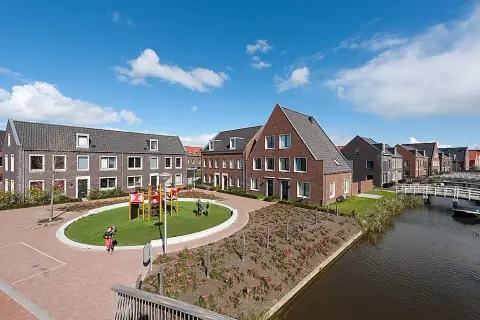
The Dutch housing market closed the final quarter of last year on a high note, with sales of newly-built owner-occupied homes jumping by 38 percent to around 8,500 units compared to Q4 of the previous year. According to data from Statistics Netherlands (CBS) and the Dutch Land Registry (Kadaster), this marks the fifth consecutive quarter of growth in new construction sales, highlighting a sustained appetite for energy-efficient, modern dwellings.
In this article, we unpack the latest figures, compare price trends between new builds and existing homes, examine the factors driving demand, and consider what this surge means for buyers, renters, and the broader housing market.
Q4 Sales Boom: Key Figures and Trends
Newly-built homes sold: 8,500 units in Q4, up 38% year-on-year.
Existing owner-occupied homes sold: Growth of roughly 19%.
Average price of new construction: Approximately €500,000.
Average price of existing homes: Around €462,000.
This outperformance of new homes over existing stock reflects both supply-side expansions—due to accelerated construction schedules—and sustained buyer interest in the latest housing standards. The growth in sales has outpaced many professional forecasts, underscoring a shift in market dynamics.
Price Dynamics: Newly-Built vs. Existing Homes
The average price for a newly-built owner-occupied home rose 4.8 percent in Q4, reaching nearly €500,000. Meanwhile, the price of existing homes climbed by a more pronounced 11.5 percent, with an average transaction price of €462,000 (source).
Metric
Newly-Built Homes
Existing Homes
Year-on-Year Sales Growth (Q4)
+38%
+19%
Average Transaction Price (Q4)
€500,000
€462,000
Price Increase (Compared to Q4)
+4.8%
+11.5%
Although existing homes saw stronger price gains, buyers appear willing to pay a premium for brand-new properties—often valued for lower energy bills, modern layouts, and guaranteed warranties.
Drivers Behind the Surge in New Construction
Several factors have converged to fuel the rise in newly-built home sales:
Energy Efficiency and Sustainability
New builds typically meet the highest energy standards (A or B labels), offering buyers lower utility costs and compliance with future environmental regulations.
Government Incentives
Schemes like the woningborg guarantee and favourable mortgage conditions for sustainable properties have made new homes more accessible. Meanwhile, municipalities continue to allocate building permits to stimulate local housing supply.
Shift in Buyer Preferences
After years of tight resale supply, more buyers—especially young professionals and families—are turning to newly-built stock to secure predictable closing dates and modern amenities.
Construction Sector Momentum
Developers and woningcorporaties (social housing corporations) have ramped up output following multi-year investments, reducing lead times and expanding the choice of floor plans on the market.
Implications for Buyers, Renters, and Investors
For Home Buyers
Purchasing a newly-built home can mean fewer renovation costs and lower energy expenses over the long term. However, buyers should still factor in additional fees such as VAT and potential homeowner association charges.
For Renters
While the surge in owner-occupied construction may not directly ease rental shortages, new housing zones often include mixed-use developments with rental units. Prospective tenants should stay alert to upcoming projects in growth municipalities.
For Investors
The price premium on new homes suggests strong capital appreciation prospects, especially in regions with expanding infrastructure and employment hubs. Still, investors must weigh financing costs and local permit restrictions before committing.
What Lies Ahead: Forecasts and Market Outlook
The upward trend in newly-built home sales is expected to continue into the coming quarters, driven by government targets to build 75,000 new homes annually across the Netherlands. However, factors such as rising construction costs, interest rate fluctuations, and land scarcity in urban centres could temper future growth.
Economists at Statistics Netherlands project a moderation in price growth from 2025 onwards, especially if supply ramps up sufficiently to balance demand. Nonetheless, the latest Q4 data signals a robust appetite for new construction that market participants will watch closely.
Conclusion
The Dutch housing market’s Q4 performance demonstrates that newly-built homes are in high demand, offering buyers contemporary features, sustainability benefits, and clear purchase timelines. As prices for both new and existing properties remain elevated, prospective homeowners should carefully assess financing options and long-term value.
Whether you’re searching for your first home, exploring rental opportunities, or considering a real estate investment, stay informed on evolving market trends.
Ready to explore the rental market? For a seamless search experience and the latest listings, visit Luntero.
Understand Dutch rental terms before you sign the lease.
Renting in the Netherlands comes with unique rules, legal phrases, and housing abbreviations that can be tricky. The Luntero Rental Glossary is your guide to every rental term — from tenancy agreements, deposits, and agency fees to utility charges, rent control, and tenant rights. Whether you’re new to renting, moving as an expat, or just want to avoid hidden costs, our glossary helps you rent smarter, negotiate better, and protect yourself from mistakes.