Why More Dutch Homeowners Are Choosing to Renovate Instead of Move
A growing number of Dutch homeowners—especially seniors—are opting to upgrade their existing homes rather than relocate, driven by the housing shortage and rising mortgage rates.
Guide last updated on: August 4, 20254 min read
Table of Contents
Table of Contents
Further Reading on Renting in the Netherlands
Newest Properties in the Netherlands
Explore the latest properties added to Luntero. Find new apartments, houses, and studios across the Netherlands — updated daily to help you discover your next home faster.
Why Luntero
One Workspace for Your Dutch Rental Search
Luntero brings represented apartments, rooms, studios and houses from Dutch rental sources into one searchable place. Use the available filters to narrow your options, then check the original listing for current availability, price, conditions and application steps.
Listings From Many Dutch Sources
Browse rental listings collected from Funda, Pararius, Kamernet and other supported sources in one place. Coverage is broad but not exhaustive, and the original listing remains authoritative.
Intuitive User-Friendly Interface
Navigate our clean and straightforward design effortlessly on both desktop and mobile devices for a seamless apartment, house, or room hunting experience in the Netherlands.
Multilingual Support for Expats & Locals
Browse rental listings in English, Dutch, Spanish, French, German, and more. Luntero ensures you can find your next home in the Netherlands in the language you're most comfortable with.
Regular Listing Refreshes
Luntero refreshes collected listings regularly and search alerts email new matches after a successful check. A source can change between refreshes, so verify decisive details there.
Understand Dutch rental terms before you sign the lease.
Renting in the Netherlands comes with unique rules, legal phrases, and housing abbreviations that can be tricky. The Luntero Rental Glossary is your guide to every rental term — from tenancy agreements, deposits, and agency fees to utility charges, rent control, and tenant rights. Whether you’re new to renting, moving as an expat, or just want to avoid hidden costs, our glossary helps you rent smarter, negotiate better, and protect yourself from mistakes.
Why More Dutch Homeowners Are Choosing to Renovate Instead of Move
Across the Netherlands, an emerging trend is changing the face of the housing market: homeowners are increasingly investing in renovations rather than uprooting their lives to move. From growing families seeking extra space to seniors installing stair lifts for mobility, this shift has important implications for affordability, neighbourhood continuity, and the overall housing supply.
Key Drivers Behind the Renovation Boom
Two main factors are fueling this move toward renovation over relocation:
Housing Shortage: With demand outpacing supply, finding an affordable home in desirable areas has become a challenge. New listings are scarce, and competitiveness drives up prices across the board.
Rising Mortgage Interest Rates: After years of historically low rates, homeowners face higher financing costs when remortgaging or taking on a larger mortgage to buy a new property. Renovating the existing home often proves more economical than purchasing another under tighter lending conditions.
Oscar Noorlag, a mortgage expert at financial service provider Van Bruggen, notes that homeowners view renovation as the cheaper—and at times only—practical option.[^1]
Benefits of Staying in Your Current Home
Choosing to renovate instead of relocate brings several advantages beyond cost savings:
Community Continuity: Homeowners can preserve ties with neighbours, friends, and local schools, maintaining a sense of belonging.
Personalisation: Renovations allow bespoke upgrades—expanding living areas or installing energy-efficient systems—tailored to the homeowner’s lifestyle and future needs.
Equity Growth: Well-planned improvements typically increase a home’s market value, strengthening long-term financial security.
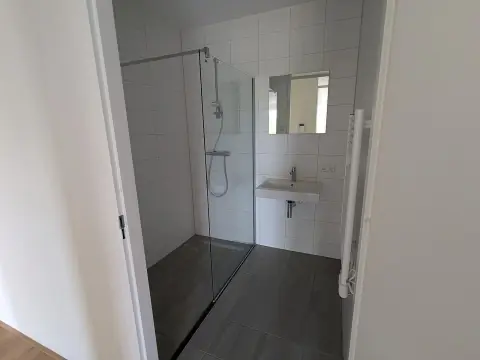
For younger families, adding an extra bedroom or creating an open-plan ground floor turns a once-cramped home into a comfortable, long-term base. Seniors, meanwhile, are future-proofing their properties with accessibility features such as stair lifts, walk-in showers, and smart home aids, enabling them to age safely in place.
Market Impacts and Reduced Turnover
While renovations benefit individual homeowners, they affect the wider housing market in unintended ways. When fewer people move:
Shrinking Starter Home Supply: A renovated family home no longer filters down to first-time buyers, thinning the pool of lower-priced property options.
Disrupted Chain Sales: Traditional home-purchase chains rely on each sale triggering the next. Renovations can stall this cycle, reducing overall transaction volume.
As Noorlag observes, “Renovations do not result in a train of home sales,” which can dampen market fluidity and make it harder for buyers at all levels to find suitable properties.
Senior Housing: A Growing Policy Priority
The ageing Dutch population underscores the need for appropriate senior housing—something many experts say the government should address more proactively. Currently, housing policy focuses heavily on affordable homes for younger people but pays less attention to senior-specific developments.
Expanding the supply of senior-friendly apartments and assisted-living communities could:
Encourage older homeowners to downsize, freeing up larger family homes.
Provide tailored support and social facilities that fit the needs of residents aged 65 and above.
By prioritising senior housing, the government can help balance the market, improving choice for all demographics.
Tips for Planning a Successful Renovation
If you’re considering upgrading your home instead of moving, keep these steps in mind:
Assess Long-Term Needs: Evaluate your family’s future requirements—accessibility, workspace, or extra bedrooms—before drawing up plans.
Set a Realistic Budget: Factor in building costs, permits, and a contingency (typically 10–15% of the total project) to cover unexpected expenses.
Check Local Regulations: The gemeente (municipality) may require permits for structural changes or energy-efficiency upgrades. Always secure approvals in advance.
Explore Subsidies and Loans: The Dutch government and some provinces offer low-interest loans or subsidies for energy-saving renovations, such as insulation, solar panels, or heat pumps.
Hire Qualified Professionals: Work with licensed architects and contractors who understand local building standards and sustainability practices.
By following these guidelines, homeowners can transform their existing spaces into modern, efficient homes that meet both present and future needs.
Looking Ahead: Balancing Renovation and Relocation
As the renovation trend shows no sign of slowing, different stakeholders—homeowners, buyers, and policymakers—must collaborate to maintain a healthy housing market balance. More senior housing stock, targeted subsidies, and streamlined permitting processes can encourage elderly residents to move to purpose-built accommodations, freeing up single-family homes for growing families.
At the same time, fostering new construction in high-demand areas and incentivising eco-friendly retrofits will help alleviate the housing shortage and support the Netherlands’ climate goals.
Ready to find your next rental property? For the easiest way to browse thousands of verified listings across the Netherlands, visit Luntero today!
Understand Dutch rental terms before you sign the lease.
Renting in the Netherlands comes with unique rules, legal phrases, and housing abbreviations that can be tricky. The Luntero Rental Glossary is your guide to every rental term — from tenancy agreements, deposits, and agency fees to utility charges, rent control, and tenant rights. Whether you’re new to renting, moving as an expat, or just want to avoid hidden costs, our glossary helps you rent smarter, negotiate better, and protect yourself from mistakes.