Essential Guide to Buying a Newly Built Home in the Netherlands
Discover the key benefits, processes, and pitfalls when purchasing a new-build home in the Netherlands, from tax savings to energy efficiency.
Guide last updated on: September 8, 20254 min read
Table of Contents
Table of Contents
Further Reading on Renting in the Netherlands
Newest Properties in the Netherlands
Explore the latest properties added to Luntero. Find new apartments, houses, and studios across the Netherlands — updated daily to help you discover your next home faster.
Why Luntero
One Workspace for Your Dutch Rental Search
Luntero brings represented apartments, rooms, studios and houses from Dutch rental sources into one searchable place. Use the available filters to narrow your options, then check the original listing for current availability, price, conditions and application steps.
Listings From Many Dutch Sources
Browse rental listings collected from Funda, Pararius, Kamernet and other supported sources in one place. Coverage is broad but not exhaustive, and the original listing remains authoritative.
Intuitive User-Friendly Interface
Navigate our clean and straightforward design effortlessly on both desktop and mobile devices for a seamless apartment, house, or room hunting experience in the Netherlands.
Multilingual Support for Expats & Locals
Browse rental listings in English, Dutch, Spanish, French, German, and more. Luntero ensures you can find your next home in the Netherlands in the language you're most comfortable with.
Regular Listing Refreshes
Luntero refreshes collected listings regularly and search alerts email new matches after a successful check. A source can change between refreshes, so verify decisive details there.
Understand Dutch rental terms before you sign the lease.
Renting in the Netherlands comes with unique rules, legal phrases, and housing abbreviations that can be tricky. The Luntero Rental Glossary is your guide to every rental term — from tenancy agreements, deposits, and agency fees to utility charges, rent control, and tenant rights. Whether you’re new to renting, moving as an expat, or just want to avoid hidden costs, our glossary helps you rent smarter, negotiate better, and protect yourself from mistakes.
Essential Guide to Buying a Newly Built Home in the Netherlands
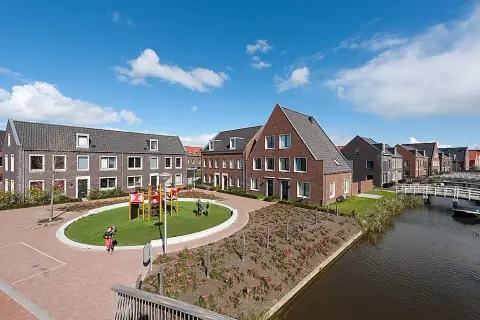
The Dutch government aims to deliver 100,000 new homes each year to address housing demand. While that target hasn’t been fully reached yet, more new-build projects are underway across the country. If you’re not in a rush to move, a newly constructed property can be an attractive, future-proof alternative to the resale market. In this guide, we’ll walk you through the main advantages, the purchase process, key contract elements, financing structure, and energy-efficiency benefits of a new-build home in the Netherlands.
Tax Advantages of Purchasing a New Build
One of the biggest draws of buying a new-build property is the tax savings. Unlike resale homes, new homes are exempt from the 2% property transfer tax (overdrachtsbelasting), saving you thousands of euros upfront. Instead, you pay VAT (21%) on the purchase price, but this is often factored into the developer’s pricing structure. Always confirm how taxes are applied in your purchase agreement.
How Developers Allocate New-Build Homes
New-build projects follow different allocation methods, and it’s important to know which system your developer uses:
First-come, first-served: You register interest and submit your financial proof early.
Lottery or ballot system: Interested buyers enter a draw, and winners are selected randomly.
Developer selection: The builder chooses buyers, often based on financing certainty or personal circumstances.
Developers typically require proof of financing when you register. Speaking to a mortgage advisor at an early stage ensures you understand how much you can borrow and how much you need in savings. You may also receive a “mortgage letter” from your advisor to strengthen your registration.
Understanding Preliminary Agreements and Guarantees
Once you’re selected, you’ll sign a preliminary contract known as the koop-aannemingsovereenkomst. Key points include:
Cooling-off period: Legally, you get three days to change your mind, though many contracts extend this to seven days.
Timelines & deliverables: The agreement specifies completion dates and handover conditions.
Guarantee schemes: Check if the builder participates in SWK, Woningborg, or Bouwgarant. These statutory warranties protect you if the developer goes bankrupt during construction or fails to meet quality standards.
Review all clauses carefully, and consider legal advice to ensure your interests are protected.
Costs, Options, and Price Adjustments
Beyond the base price, developers offer extras or upgrades, known as meer- en minderwerk. Examples include premium floor tiles, custom kitchens, or extended terraces. These options can significantly increase your final bill, so:
Request a detailed list of upgrade costs.
Set a clear budget for optional extras.
Watch for indexation clauses allowing developers to pass on rising construction costs, often linked to material price indices.
Clear communication around these choices avoids unwelcome surprises at signing.
Financing and Payment Structure for New Builds
Financing a new build differs from buying an existing home. Your mortgage only becomes payable when the developer secures the land and begins construction. Here’s how it typically works:
Land transfer: Once the plot is officially handed over, your mortgage funds are released into a dedicated construction account.
Stage payments: The builder receives funds in instalments tied to construction milestones (foundations, shell completion, finishing works).
Interest considerations: You pay mortgage interest on the drawn amount, while earnings on the construction account often offset this initially.
A mortgage advisor can explain how these flows affect your monthly costs and long-term repayments.
Energy Efficiency and Future-Proof Living
New-build homes in the Netherlands typically achieve at least an A+ energy label. This translates into lower utility bills and a reduced environmental footprint. Key features often include:
High-grade insulation in walls, floors, and roofs
Triple-glazed windows and heat-recovery ventilation systems
Pre-installed solar panels or wiring provisions for future installation
With energy performance standards rising each year, your new property will be more sustainable and comfortable than most older homes on the market.
Planning, Timelines, and Patience
Buying off-plan means you may wait a year or more before moving in. The government has designated 24 regions for large-scale residential development, ensuring projects are spread out nationally. Factors influencing your timeline include:
Building permit approvals
Supply chain and labour availability
Weather-related construction delays
A realistic expectation and patience are essential. In return, you’ll secure a modern home built to current regulations and standards.
Tips for a Smooth New-Build Purchase
Start mortgage advice early to define your budget and obtain a mortgage letter.
Compare several new-build projects to find the right location and developer track record.
Read all contract terms, especially guarantee schemes and price indexation clauses.
Budget for additional costs like upgrades, notary fees, and VAT.
Stay in regular contact with your developer and mortgage advisor during the build.
By following these steps, you can navigate the complexities of buying a newly constructed home with confidence.
Ready to explore rental opportunities while you wait for your new-build completion? Luntero is the easiest way to find and secure rental listings across the Netherlands. Visit Luntero today and start your journey toward the perfect home!
Understand Dutch rental terms before you sign the lease.
Renting in the Netherlands comes with unique rules, legal phrases, and housing abbreviations that can be tricky. The Luntero Rental Glossary is your guide to every rental term — from tenancy agreements, deposits, and agency fees to utility charges, rent control, and tenant rights. Whether you’re new to renting, moving as an expat, or just want to avoid hidden costs, our glossary helps you rent smarter, negotiate better, and protect yourself from mistakes.