One in Three Dutch Residents Struggle with Overheating Homes – Climate-Resilient Solutions for the Netherlands
A recent survey shows that 35% of Dutch residents feel their homes aren’t heat resistant during hot summer days. Explore why Dutch housing is lagging behind climate changes and how tenants and builders can adapt.
Guide last updated on: August 14, 20254 min read
Table of Contents
Table of Contents
Further Reading on Renting in the Netherlands
Newest Properties in the Netherlands
Explore the latest properties added to Luntero. Find new apartments, houses, and studios across the Netherlands — updated daily to help you discover your next home faster.
Why Luntero
One Workspace for Your Dutch Rental Search
Luntero brings represented apartments, rooms, studios and houses from Dutch rental sources into one searchable place. Use the available filters to narrow your options, then check the original listing for current availability, price, conditions and application steps.
Listings From Many Dutch Sources
Browse rental listings collected from Funda, Pararius, Kamernet and other supported sources in one place. Coverage is broad but not exhaustive, and the original listing remains authoritative.
Intuitive User-Friendly Interface
Navigate our clean and straightforward design effortlessly on both desktop and mobile devices for a seamless apartment, house, or room hunting experience in the Netherlands.
Multilingual Support for Expats & Locals
Browse rental listings in English, Dutch, Spanish, French, German, and more. Luntero ensures you can find your next home in the Netherlands in the language you're most comfortable with.
Regular Listing Refreshes
Luntero refreshes collected listings regularly and search alerts email new matches after a successful check. A source can change between refreshes, so verify decisive details there.
Understand Dutch rental terms before you sign the lease.
Renting in the Netherlands comes with unique rules, legal phrases, and housing abbreviations that can be tricky. The Luntero Rental Glossary is your guide to every rental term — from tenancy agreements, deposits, and agency fees to utility charges, rent control, and tenant rights. Whether you’re new to renting, moving as an expat, or just want to avoid hidden costs, our glossary helps you rent smarter, negotiate better, and protect yourself from mistakes.
One in Three Dutch Residents Struggle with Overheating Homes
A recent national survey has revealed that over a third of Dutch residents do not feel their homes are sufficiently protected against high temperatures. As summers in the Netherlands grow hotter and heatwaves more frequent, the design of many Dutch houses—optimized for cold seasons—fails to offer relief when the mercury rises. In this article, we explore the survey findings, examine outdated building practices, offer expert recommendations, and provide practical tips for renters and homeowners to keep their living spaces cool.
Survey Insights: Heat Stress in Dutch Homes
In mid-2023, an independent survey of more than 19,000 participants found that 35% of respondents believe their homes are not heat resistant on days when temperatures reach 25°C (77°F) or higher. The problem is particularly acute in Zuid-Holland, where 41% of residents reported overheating indoors, while Drenthe fared slightly better at 29%. These figures echo a similar study by Statistics Netherlands (CBS) in 2023, which reported that 34% of Dutch households struggle to cool their homes during heatwaves.
This widespread discomfort has real consequences for health and well-being. Prolonged indoor heat can lead to sleep disturbances, reduced productivity, dehydration, and increased cardiovascular strain, especially for vulnerable groups such as the elderly and young children.
Why Dutch Homes Overheat: Outdated Building Standards
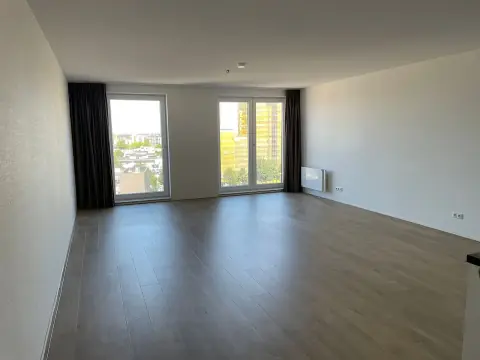
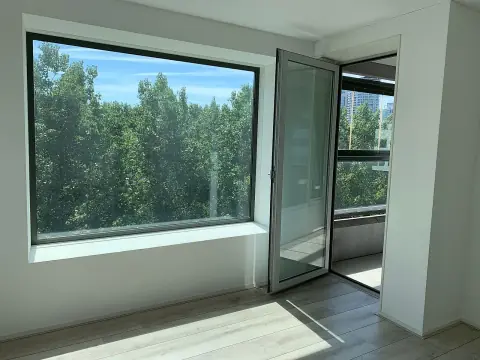
Many newly built homes in the Netherlands still rely on construction standards developed fifteen years ago. These regulations prioritize insulation and airtightness to retain warmth in winter, but provide little guidance on heat dissipation in summer. Large, south-facing windows flood interiors with solar gain, while thick insulation prevents hot air from escaping. As Professor Andy van den Dobbelsteen of Delft University of Technology explains, “Our regulations are always about 15 years behind. We’re essentially building for a climate that no longer exists.”
Because a typical home will stand for 50 to 100 years, planning solely for past climate patterns exposes residents to increasing thermal stress as global temperatures climb.
Expert Recommendations: Building for 2050
Climate specialists urge the adoption of forward-looking design principles:
Climate-Adaptive Regulations: Update building codes using future climate scenarios from the Royal Netherlands Meteorological Institute (KNMI) to ensure new homes are resilient against projected heatwaves in 2050 and beyond.
Mediterranean-Style Façades: Employ smaller window openings on sun-exposed walls, use reflective roof materials, and integrate deep overhangs to reduce solar heat gain.
Natural Ventilation: Design passive airflows by positioning windows and vents to encourage cross-ventilation, thereby expelling hot air without mechanical cooling.
Green Infrastructure: Integrate rooftop gardens, living walls, and tree-lined streets to lower surrounding temperatures and provide natural shading.
By building with these strategies in mind, architects and housing corporations (woningcorporaties) can future-proof Dutch neighborhoods.
Practical Cooling Tips for Tenants and Homeowners
Installing a full air conditioning system may not suit every budget or environmental goal. However, simple behavioural adjustments and low-cost measures can significantly reduce indoor temperatures:
Night-Time Ventilation: Open windows and doors after dusk to flush out accumulated heat. Seal them during the day to trap cooler night air.
Solar Shading: Close blinds, shutters, or sun screens on south and west-facing windows before sunrise to block direct sunlight. Consider reflective or blackout fabrics for extra effectiveness.
Strategic Greenery: Place potted plants near windows and on balconies. Fast-growing vines or trellised shrubs can provide shade and lower heat through evapotranspiration.
Heat-Reflective Films: Apply window films that filter infrared radiation while still allowing natural light, reducing solar heat gain by up to 70%.
Portable Fans: Position fans near open windows at night to draw in cooler outdoor air, and circulate air within rooms during the day.
Even small investments in blinds or greenery can yield noticeable improvements in comfort.
Long-Term Policy and Construction Solutions
To truly address overheating in Dutch homes, coordinated action is needed at multiple levels:
National Regulations: The government must accelerate updates to the Bouwbesluit (Building Decree) to incorporate heat-resilience standards that reflect 2050 climate projections.
Municipal Planning: Municipalities (gemeenten) should require green buffers and climate-adaptive features in new residential permits.
Awareness Campaigns: Landlords and housing corporations can inform tenants about best practices for heat management and offer subsidies for sun blinds or window films.
Collaboration among policymakers, construction firms, research institutes, and residents will be key to creating a built environment that withstands rising temperatures.
Conclusion
With one in three Dutch residents currently battling indoor heat on summer days, it’s clear that the Netherlands must pivot toward climate-resilient building and living practices. Updating regulations, adopting expert design guidance, and embracing simple cooling measures can transform overheated homes into comfortable retreats.
Ready to find a rental that meets modern standards and keeps you cool all summer? Visit Luntero for the easiest way to browse and secure heat-resilient listings across the Netherlands!
Understand Dutch rental terms before you sign the lease.
Renting in the Netherlands comes with unique rules, legal phrases, and housing abbreviations that can be tricky. The Luntero Rental Glossary is your guide to every rental term — from tenancy agreements, deposits, and agency fees to utility charges, rent control, and tenant rights. Whether you’re new to renting, moving as an expat, or just want to avoid hidden costs, our glossary helps you rent smarter, negotiate better, and protect yourself from mistakes.