Dutch Housing Shortage Exceeds 400,000 as Population Growth Outpaces Construction
The Netherlands faces a housing shortage surpassing 400,000 homes, as demand from population growth outpaces new construction and fuels market tension.
Guide last updated on: June 8, 20264 min read
Table of Contents
Table of Contents
Further Reading on Renting in the Netherlands
Newest Properties in the Netherlands
Explore the latest properties added to Luntero. Find new apartments, houses, and studios across the Netherlands — updated daily to help you discover your next home faster.
Why Luntero
One Workspace for Your Dutch Rental Search
Luntero combines apartments, rooms, studios and houses from rental websites with homes published directly on Luntero. Filter by your needs, compare your options and confirm availability, price and conditions with the advertiser.
Listings From Many Dutch Sources
Browse listings from Funda, Pararius, Kamernet and other supported websites alongside rentals published directly on Luntero. Coverage is broad, but does not include every home on the market.
Intuitive User-Friendly Interface
Navigate our clean and straightforward design effortlessly on both desktop and mobile devices for a seamless apartment, house, or room hunting experience in the Netherlands.
Multilingual Support for Expats & Locals
Browse rental listings in English, Dutch, Spanish, French, German, and more. Luntero ensures you can find your next home in the Netherlands in the language you're most comfortable with.
Regular Listing Refreshes
Luntero refreshes collected listings regularly and search alerts email new matches after a successful check. A source can change between refreshes, so verify decisive details there.
Understand Dutch rental terms before you sign the lease.
Renting in the Netherlands comes with unique rules, legal phrases, and housing abbreviations that can be tricky. The Luntero Rental Glossary is your guide to every rental term — from tenancy agreements, deposits, and agency fees to utility charges, rent control, and tenant rights. Whether you’re new to renting, moving as an expat, or just want to avoid hidden costs, our glossary helps you rent smarter, negotiate better, and protect yourself from mistakes.
Dutch Housing Shortage Exceeds 400,000 as Population Growth Outpaces Construction
The Dutch housing market is grappling with an unprecedented shortage of approximately 401,000 homes—up from 390,000 in 2023—according to annual ABF Research figures. This widening gap results from the number of households and new household formations outpacing the pace of new construction. As a result, many families share under-sized properties, and young adults delay moving out, underscoring the pressing need for both increased building and creative housing solutions.
The Widening Gap in Supply and Demand
ABF Research calculates the housing deficit on behalf of the central government, including existing households and those unable to form new households due to limited availability. At 4.9% of the total housing stock, the shortage strains rental and owner-occupied sectors alike. Key impacts include:
Multi-generational living arrangements that limit privacy and quality of life.
Extended stays with parents among young adults, delaying educational and career mobility.
Increased competition for available rentals, driving up rents and deposit requirements.
Attempts to cap the imbalance at a 2% shortage aimed to maintain reasonable wait times without overheating the market. Yet achieving a 2% rate today would require an immediate addition of 232,000 homes—far beyond the 88,000 dwellings added in 2023.
Government Targets and the Scale of the Challenge
The current coalition agreement sets a target of 100,000 newly built homes per year through 2031. However, recent ABF projections indicate that to match population growth and close the deficit, the Netherlands must raise its annual output to at least 116,000 homes between 2024 and 2030. Compounding the demand is the forecast from Statistics Netherlands that the population will surpass 18 million by August 2024, increasing pressure on an already tight market.
Minister Mona Keijzer of Housing and Spatial Planning acknowledges the human toll of the shortage: “This has put many people’s lives on hold. We have to start building for all those waiting for a home.” While reaffirming the 100,000 homes-per-year goal, she has pledged a forthcoming action plan developed in consultation with municipalities, woningcorporaties (non-profit housing associations), private developers, and community stakeholders.
Furthermore, ABF warns against aiming for a zero-percent shortage. An oversupplied market can lead to regional vacancies, falling home values, and neglect of older properties—demonstrating that a balance is crucial to a healthy housing ecosystem.
Innovative Solutions: Renovation and Conversion
In parallel with new construction, the Economic Institute for Construction (EIB) recommends tapping into the untapped potential of existing buildings. By splitting large homes into multiple units, topping up residential blocks with extra storeys, and transforming underused commercial spaces into apartments, the sector could generate an additional 100,000 to 120,000 homes under current regulations. With targeted subsidies and relaxed zoning rules, this figure could rise by 25%.
Real-world examples include:
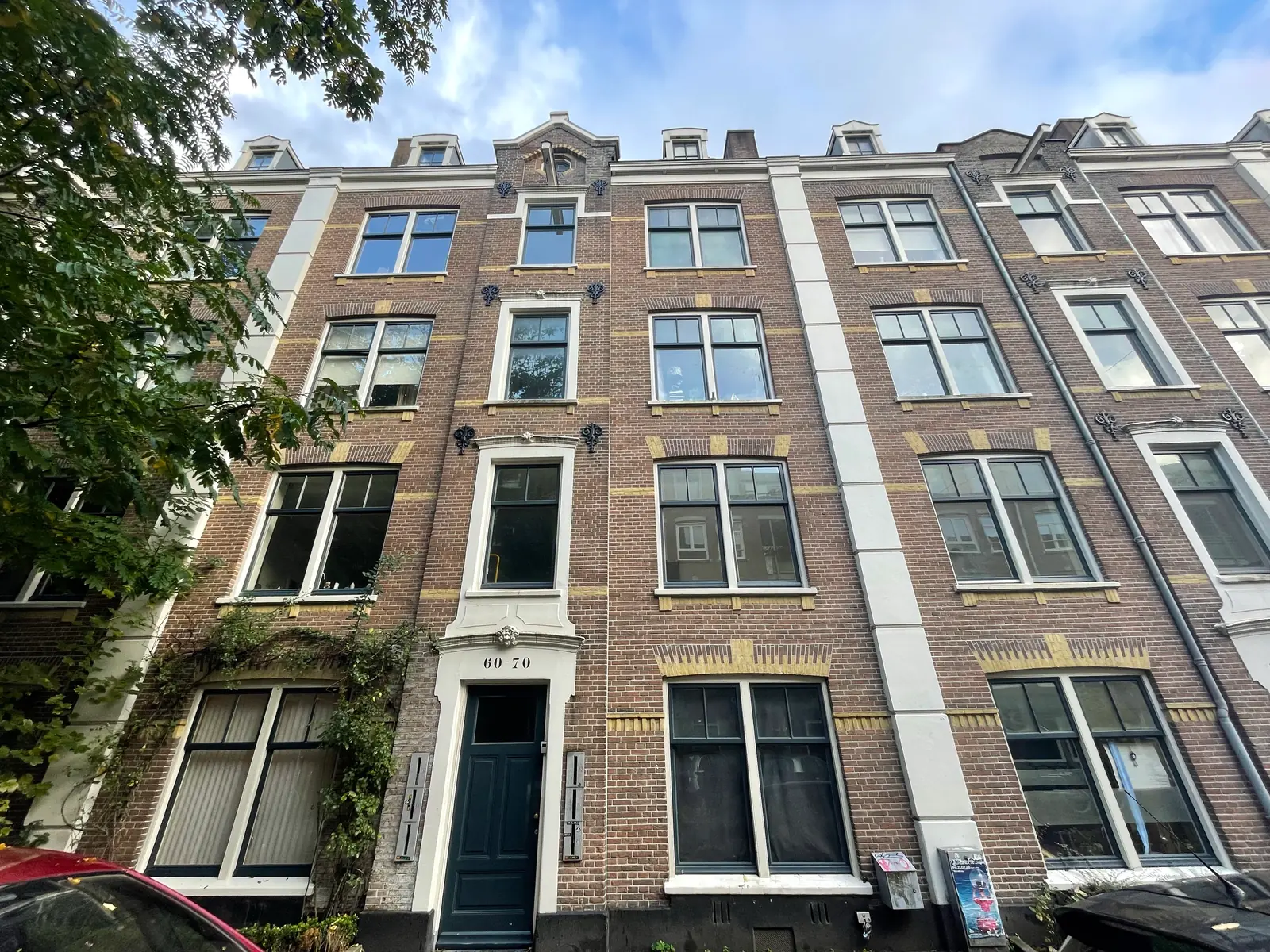
Converting historical townhouses into several compact rental units while preserving architectural heritage.
Adding two or three levels on top of pre-war housing blocks (“topping up”), particularly near transport hubs.
Repurposing vacant offices in business districts into affordable studios, helping to revitalize city centers after work hours.
These approaches often have shorter lead times than ground-up construction and align with sustainability goals by minimizing demolition waste and reducing land consumption.
Strategies for a Balanced Housing Market
Meeting the dual challenges of quantity and quality in housing supply calls for a multi-pronged strategy:
Expanding New Builds: Accelerate planning approvals and secure finance for large-scale residential developments, focusing on mixed-income neighborhoods.
Promoting Adaptive Reuse: Offer grants or tax incentives for property owners who convert existing structures into homes, reducing reliance on greenfield sites.
Strengthening Collaboration: Foster partnerships among municipalities, woningcorporaties, private builders, and research institutes to share best practices and data.
Streamlining Regulation: Simplify zoning and permit processes, particularly for renovations, to cut project timelines and costs.
Monitoring Market Health: Continuously track regional supply–demand balances via agencies like CBS (Statistics Netherlands) to adjust targets and avoid over- or under-supply.
Regional Efforts and Best Practices
In provinces outside the Randstad, local authorities are experimenting with modular construction, community-led housing cooperatives, and pilot projects to test fast-build techniques. For example, in Groningen, a municipal partnership has delivered several hundred modular units on former industrial sites, cutting construction times by half. In smaller towns, community land trusts are being explored as a means to secure long-term affordable rentals and owner-occupied units. These localized efforts can inform national policy and encourage innovation across the housing sector.
Conclusion
Addressing a 401,000-home shortage is a formidable task, but by raising annual construction targets to at least 116,000 homes and fully utilizing renovation and conversion projects, the Netherlands can begin to close the gap. Balanced policy, efficient regulation, and cross-sector collaboration will be key to delivering sufficient, high-quality housing for the country’s growing population.
For the easiest way to find your next home in the Netherlands, visit Luntero.
Understand Dutch rental terms before you sign the lease.
Renting in the Netherlands comes with unique rules, legal phrases, and housing abbreviations that can be tricky. The Luntero Rental Glossary is your guide to every rental term — from tenancy agreements, deposits, and agency fees to utility charges, rent control, and tenant rights. Whether you’re new to renting, moving as an expat, or just want to avoid hidden costs, our glossary helps you rent smarter, negotiate better, and protect yourself from mistakes.