Dutch Cabinet Invests €420M in Modern Clustered Care Homes for Seniors
The Dutch government is allocating an additional €420 million to expand clustered, care-suitable senior housing by 2030.
Guide last updated on: July 8, 20264 min read
Table of Contents
Table of Contents
Further Reading on Renting in the Netherlands
Newest Properties in the Netherlands
Explore the latest properties added to Luntero. Find new apartments, houses, and studios across the Netherlands — updated daily to help you discover your next home faster.
Why Luntero
One Workspace for Your Dutch Rental Search
Luntero brings represented apartments, rooms, studios and houses from Dutch rental sources into one searchable place. Use the available filters to narrow your options, then check the original listing for current availability, price, conditions and application steps.
Listings From Many Dutch Sources
Browse rental listings collected from Funda, Pararius, Kamernet and other supported sources in one place. Coverage is broad but not exhaustive, and the original listing remains authoritative.
Intuitive User-Friendly Interface
Navigate our clean and straightforward design effortlessly on both desktop and mobile devices for a seamless apartment, house, or room hunting experience in the Netherlands.
Multilingual Support for Expats & Locals
Browse rental listings in English, Dutch, Spanish, French, German, and more. Luntero ensures you can find your next home in the Netherlands in the language you're most comfortable with.
Regular Listing Refreshes
Luntero refreshes collected listings regularly and search alerts email new matches after a successful check. A source can change between refreshes, so verify decisive details there.
Understand Dutch rental terms before you sign the lease.
Renting in the Netherlands comes with unique rules, legal phrases, and housing abbreviations that can be tricky. The Luntero Rental Glossary is your guide to every rental term — from tenancy agreements, deposits, and agency fees to utility charges, rent control, and tenant rights. Whether you’re new to renting, moving as an expat, or just want to avoid hidden costs, our glossary helps you rent smarter, negotiate better, and protect yourself from mistakes.
Dutch Cabinet Pushes €420M into a New Style of Care Home for Senior Citizens
The Dutch government is ramping up efforts to address the growing demand for senior-friendly housing by committing an additional €420 million towards clustered care homes by 2030. Ministers Elenor Boekholt (Housing, D66) and Mirjam Sterk (Elderly Care, CDA) announced the funding boost to ensure more seniors can live independently in safe, accessible environments while alleviating pressure on the broader housing market.
What Are Clustered Care Homes?
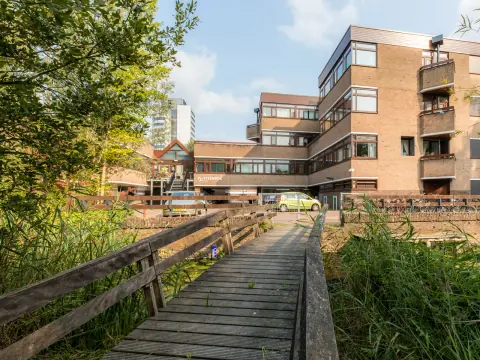
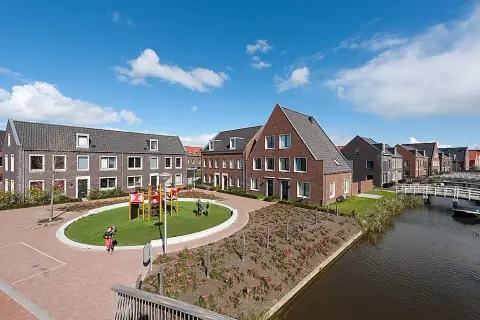
Clustered care homes offer a hybrid between independent apartments and traditional nursing homes. Each resident enjoys a private living unit—typically a one-bedroom apartment—while sharing communal spaces for dining, social activities, and day-to-day interaction. This model promotes both autonomy and community:
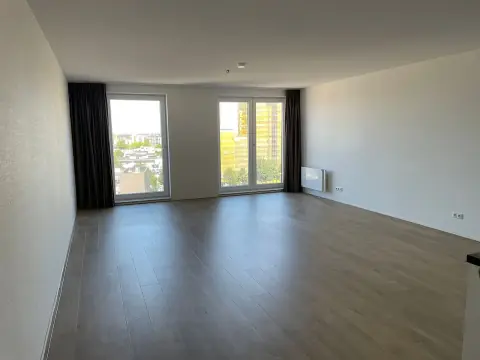
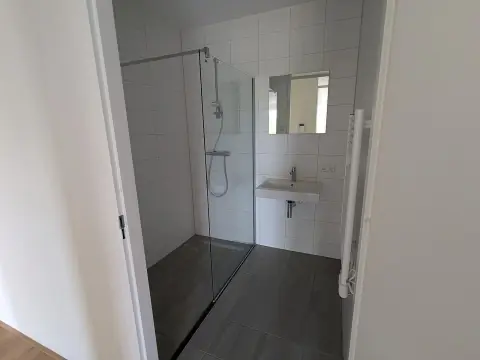
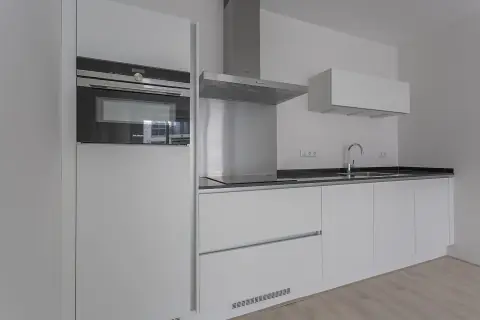
Private apartments: Safe, barrier-free units with step-free access—also known as “zero-step homes.”
Shared facilities: Gardens, lounges, and dining areas encourage social engagement and mutual support.
On-site care: Professional caregivers are available on demand, ensuring seniors receive timely assistance without sacrificing privacy.
By combining independence with community support, clustered homes help seniors maintain a higher quality of life and delay or avoid relocation to fully institutionalized care.
Government Funding and Financial Schemes
Developing affordable senior housing is often deemed “unprofitable” by private developers, as rental yields tend to be lower than market-rate properties. To bridge this gap, the Dutch Cabinet has implemented several financial schemes:
Subsidies and grants: Covering part of the construction cost to keep rents affordable.
Low-interest loans: Encouraging woningcorporaties (social housing associations) and private developers to invest in specialized senior projects.
Tax incentives: Providing relief for developers focusing on long-term senior housing.
Earlier this year, the government allocated €120 million for clustered care homes. The newly announced €420 million will supplement these efforts, ensuring municipalities and housing corporations can move forward without scaling back due to budgetary concerns.
The Rise of Zero-Step Homes
Alongside clustered communities, the Cabinet aims to deliver 170,000 single-storey, zero-step homes by 2030. Zero-step design eliminates thresholds at entrances and interior doors, creating an accessible environment for residents with mobility challenges.
Current progress: Since 2022, approximately 20,000 zero-step homes have been completed each year, putting the Netherlands on track to meet the target.
Municipal plans: Local governments are mapping out suitable plots and collaborating with housing associations to integrate senior-friendly features into new neighborhoods.
Minister Boekholt is optimistic: “We have more than enough approved plans. With this extra funding, we can ensure these homes remain affordable and ready for occupancy.”
Impact on the Broader Housing Market
Building senior housing has a cascading benefit for the Dutch housing market. Many seniors currently occupy family-sized homes, leaving young families struggling to find suitable properties. An ABN Amro report highlighted that shifting seniors into purpose-built accommodations could free up thousands of family homes, providing relief to first-time buyers and renters.
By creating more clustered care homes and zero-step units, the government expects to:
Increase turnover: Seniors moving out of larger homes will open up supply for growing families.
Reduce waiting lists: Accelerated development of care-suitable housing can shorten wait times for both senior and family housing.
Stabilize rents: Purpose-built senior homes at controlled rents help balance overall rental market pressures.
Benefits for Seniors and Communities
Clustered care homes offer multiple advantages:
Enhanced well-being: Shared activities combat social isolation and promote mental health.
Safety and accessibility: Barrier-free design reduces fall risks and supports independent living.
On-demand care: Proximity to professional caregivers ensures seniors receive help when needed, reducing reliance on emergency services.
Local communities also benefit, as these developments often include green spaces, meeting rooms, and facilities that can be used for intergenerational programs and neighborhood events.
Challenges and Next Steps
Despite strong government commitment, several challenges remain:
Land availability: Suitable plots near existing infrastructure are limited in densely populated areas.
Coordination among stakeholders: Effective collaboration between municipalities, housing associations, and private developers is crucial.
Construction capacity: Ensuring enough skilled labor and materials to meet ambitious 2030 targets.
To overcome these hurdles, the Ministry of Housing is streamlining permit procedures and encouraging public–private partnerships. By maintaining clear timelines and financial support, the government aims to keep projects on schedule.
Conclusion
The Dutch Cabinet’s €420 million investment in clustered care homes and zero-step housing marks a significant step towards accommodating the nation’s ageing population. By fostering independent living, freeing up family homes, and addressing affordability, these initiatives promise to reshape the housing landscape over the next decade.
Ready to find your next rental property? Visit Luntero for the easiest way to browse and secure rental listings across the Netherlands.
Understand Dutch rental terms before you sign the lease.
Renting in the Netherlands comes with unique rules, legal phrases, and housing abbreviations that can be tricky. The Luntero Rental Glossary is your guide to every rental term — from tenancy agreements, deposits, and agency fees to utility charges, rent control, and tenant rights. Whether you’re new to renting, moving as an expat, or just want to avoid hidden costs, our glossary helps you rent smarter, negotiate better, and protect yourself from mistakes.