Buy-to-let Sell-offs Drive Down Amsterdam House Prices
House prices in Amsterdam dipped by 0.4% year-on-year as a wave of buy-to-let properties hits the market, easing pressure on buyers. Increased supply, especially small apartments, has softened price growth to 6.2%.
Guide last updated on: August 4, 20255 min readAmsterdam
Table of Contents
Table of Contents
Further Reading on Renting in the Netherlands
Newest Properties in the Netherlands
Explore the latest properties added to Luntero. Find new apartments, houses, and studios across the Netherlands — updated daily to help you discover your next home faster.
Why Luntero
One Workspace for Your Dutch Rental Search
Luntero brings represented apartments, rooms, studios and houses from Dutch rental sources into one searchable place. Use the available filters to narrow your options, then check the original listing for current availability, price, conditions and application steps.
Listings From Many Dutch Sources
Browse rental listings collected from Funda, Pararius, Kamernet and other supported sources in one place. Coverage is broad but not exhaustive, and the original listing remains authoritative.
Intuitive User-Friendly Interface
Navigate our clean and straightforward design effortlessly on both desktop and mobile devices for a seamless apartment, house, or room hunting experience in the Netherlands.
Multilingual Support for Expats & Locals
Browse rental listings in English, Dutch, Spanish, French, German, and more. Luntero ensures you can find your next home in the Netherlands in the language you're most comfortable with.
Regular Listing Refreshes
Luntero refreshes collected listings regularly and search alerts email new matches after a successful check. A source can change between refreshes, so verify decisive details there.
Understand Dutch rental terms before you sign the lease.
Renting in the Netherlands comes with unique rules, legal phrases, and housing abbreviations that can be tricky. The Luntero Rental Glossary is your guide to every rental term — from tenancy agreements, deposits, and agency fees to utility charges, rent control, and tenant rights. Whether you’re new to renting, moving as an expat, or just want to avoid hidden costs, our glossary helps you rent smarter, negotiate better, and protect yourself from mistakes.
Buy-to-let Sell-offs Drive Down Amsterdam House Prices
Introduction
The Amsterdam housing market has shown signs of cooling in the second quarter of 2025, with prices falling by 0.4% compared to the same period in 2024. According to data from the Dutch estate agent association NVM, this modest dip marks the first year-on-year drop in the capital for several years. For first-time buyers and older homeowners looking to downsize, this is welcome news.
However, the driver behind this trend is not a sudden shift in demand but a significant increase in properties for sale, particularly former buy-to-let apartments. In this article, we explore the factors behind the price adjustment, the impact on renters and expats, and what lies ahead for Amsterdam’s housing market.
Surge in Buy-to-let Sales
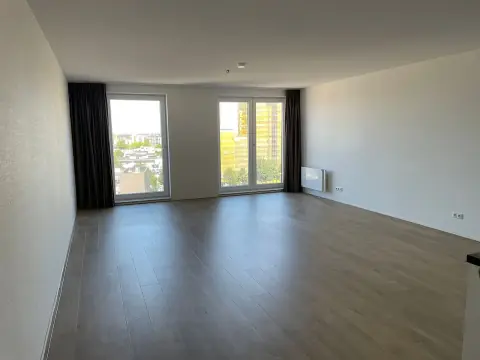
Estate agents across Amsterdam report that a large proportion of their listings now originate from buy-to-let investors offloading properties. Floris van der Peijl, chairman of the Amsterdam agent group MVA, notes that “some agencies have half of their supply from former buy-to-lets.” As a result, more small, lower-quality apartments have entered the market, exerting downward pressure on the average sale price.
This wave of sales is largely driven by recent regulatory changes. A new law banning two-year rental contracts and capping prices for mid-level rentals has prompted many buy-to-let landlords to seek better returns elsewhere. While major investors continue to acquire new-build projects, smaller investors are choosing to exit the market.
Impact on Average House Prices
The NVM reports that between April and June 2025, 52,116 properties were listed for sale—the highest quarterly figure since 2008. This influx has slowed the national annual price rise to 6.2%, down from double-digit growth earlier in the year.
“These former buy-to-let units are often smaller homes of lower quality, and that has a downward effect on the average price,” said NVM chair Lana Goutsmits-Gerssen. For homebuyers, the softening market translates into more choice and the ability to purchase without the fierce bidding wars that dominated previous years.
Rising Supply and Market Dynamics
Across the Netherlands, the increase in housing supply is reshaping market dynamics. While the overall number of rental homes remains stable—thanks to large investors and new developments as reported by the Kadaster land registry—the mix of available properties has shifted toward more entry-level and mid-range options.
From a macro perspective, the national statistics office CBS tracks a weighted average of all property transactions at the point of exchange, reflecting both quality and price fluctuations over time.1
Effects on Renters and Expats
While buyers welcome the additional supply, renters in certain districts are finding fewer options. In Amsterdam and other university cities, rental stock has tightened, pushing internationals to consider purchasing rather than renewing their leases. According to Van der Peijl, some expats who traditionally rent are now entering the sales market when their temporary contracts end.
This shift underscores a broader trend: the boundary between the rental and sales markets is blurring, particularly in high-demand urban centres.
New-build vs. Resale: The Mid-range Gap
Despite a healthy volume of new developments, the mid-price segment remains underserved. Many new-build projects cater to higher price brackets or are marketed to institutional investors, leaving downsizers and middle-income households with limited options.
Goutsmits-Gerssen warns that “not everyone can buy a house, because they simply can’t or don’t want to, or have work circumstances. There’s a real shortage of reasonably sized apartments with gardens in the mid-price range.” The imbalance highlights a need for targeted policy measures and incentives to boost mid-level construction.
Policy Changes and Investor Sentiment
Key regulatory shifts have reshaped investor sentiment in recent months:
Ban on two-year rental contracts, impacting the flexibility of buy-to-let models
New price caps for mid-level rentals under Amsterdam’s local housing scheme
Ongoing debates around the tax subsidy for homeowners, which government bodies like DNB central bank and the European Commission say inflates risky debt and drives up prices
Together, these measures have convinced many small investors to divest, while larger portfolio holders adapt with long-term strategies.
Looking Ahead: Market Outlook
Analysts caution that this may be the “canary in the coalmine” for a broader correction in the Dutch property market. While the current price dip is modest, it could signal a plateau or gentle decline if supply continues to outpace demand.
For prospective buyers, this translates into a market that is less frenzied and more opportunity-rich. However, sustained price stability will depend on balanced construction, clear policy direction, and continued demand from both domestic and international clients.
How to Navigate Amsterdam’s Housing Market
Navigating Amsterdam’s evolving housing market can be challenging. Here are a few tips for buyers and renters:
Research neighbourhoods: Consider emerging districts where prices remain competitive.
Compare listings: Use reliable portals to track price trends and avoid misleading “new” listings.
Pre-approve your financing: A mortgage commitment strengthens your offer in a shifting market.
Work with local experts: Estate agents familiar with municipal regulations and market nuances can offer valuable guidance.
For an up-to-date overview of available rentals and sales listings across the Netherlands, a dedicated platform like Luntero makes searching simple and efficient.
Find your ideal rental or purchase opportunity with ease—visit Luntero and explore the best listings in Amsterdam and beyond.
Understand Dutch rental terms before you sign the lease.
Renting in the Netherlands comes with unique rules, legal phrases, and housing abbreviations that can be tricky. The Luntero Rental Glossary is your guide to every rental term — from tenancy agreements, deposits, and agency fees to utility charges, rent control, and tenant rights. Whether you’re new to renting, moving as an expat, or just want to avoid hidden costs, our glossary helps you rent smarter, negotiate better, and protect yourself from mistakes.